 Preview
 Send
Send Share
Share
 Details

 Download
 Similars
 X-Ray
X-Ray Diaporama
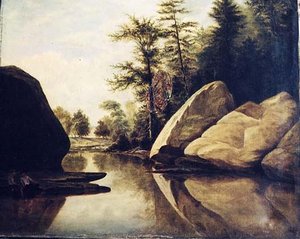
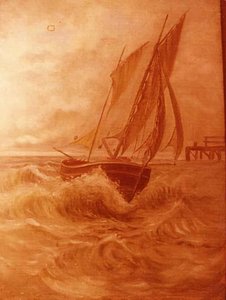
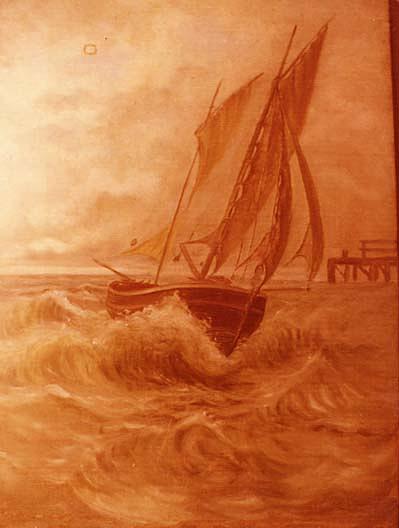
(Sailboat on Rocky Waters), (painting)

 Read More
Hand Made Oil Reproduction
Hand-painted oil on canvas in your size and frame, made to order by our artists. ( Buy Print Buy Image)




































Pick from our preset sizes that match the artwork's original proportions.

You may enter your own dimensions to fit a specific frame or space. If your selected size does not match the original image's proportions, we will either crop the artwork or extend the painting with additional hand-painted elements. A digital mockup will be sent for your approval before production begins.
Please note that the on-screen preview does not reflect the actual cropping or extension. Only the mockup will accurately show the final composition.
While custom sizes are available, we recommend selecting a dimension from the predefined list to preserve the original proportions.
After order, ArtsDot.com team will email client for instructions and provide a mockup preview
Worldwide Delivery () in 3/4 weeks instead of standard 5 weeks. (17 August). No compromise on quality.

Free Worldwide Express Shipping

High-Quality Linen Canvas

Full Shipping Insurance

Customs Tax Refund Guarantee

True Color Matching Guarantee

60-Day Return Policy (Defects Only)

100% Money-Back Guarantee

Bulk Discount Offer
 Glass option is only available in size under 110 CM

(Sailboat on Rocky Waters), (painting)
Reproduction Medium
Reproduction Size
-


Total Price
$ 263
Related Artworks
Artist Biography
A Pioneer of the American West: Mary E. Powell’s Landscapes of Resilience
Mary E. Powell, a name perhaps less familiar than some of her contemporaries in the late 19th and early 20th century American art scene, nevertheless stands as a remarkable figure – an African-American artist who carved out a significant space for herself amidst considerable societal challenges. Born in 1854 in Methwold, Norfolk, England, Powell’s journey to becoming a celebrated painter of the Midwest landscape was one marked by both personal hardship and unwavering artistic dedication. Her early life, shaped by the loss of her mother at a young age, instilled within her a profound appreciation for the quiet dignity of rural existence – a theme that would become central to her artistic vision. Powell’s relocation to America, specifically to Ohio, in the late 1870s, coincided with a period of rapid westward expansion and agricultural transformation, providing fertile ground for her artistic explorations. She initially worked as a political cartoonist for the Bainbridge Review, honing her observational skills and developing a keen eye for detail – qualities that would later translate powerfully into her paintings.Early Influences and Artistic Development
Powell’s artistic development wasn't solely rooted in American landscapes; it was profoundly shaped by European influences, particularly the Impressionist movement. She studied with Ron Lukas, a protégé of the renowned Russian painter Sergei Bongart, whose emphasis on capturing fleeting moments of light and atmosphere proved instrumental in shaping Powell’s distinctive style. This training instilled within her an understanding of color theory and brushwork techniques that allowed her to render the subtle nuances of the Midwest sky and the textures of its fields with remarkable sensitivity. Furthermore, her time spent in San Miguel de Allende, Mexico, exposed her to a vibrant artistic community and broadened her aesthetic horizons. It’s important to note that Powell's training wasn't solely focused on technical skill; she also sought to capture the essence of the people and places she encountered, imbuing her paintings with a sense of empathy and understanding.Thematic Concerns: Rural Life and Social Commentary
Powell’s work is characterized by its intimate portrayal of rural American life – farms, barns, fields, and the individuals who inhabited them. However, her paintings are far more than simple depictions of the countryside; they carry a subtle yet powerful layer of social commentary. She frequently depicted scenes of hardship and resilience, capturing the dignity of farmers and laborers in the face of economic challenges and environmental uncertainties. Her paintings aren’t romanticized visions of pastoral bliss but rather honest reflections of the realities of rural existence – the long hours, the backbreaking labor, and the constant struggle for survival. Notably, Powell's work often featured Black figures within these landscapes, a deliberate choice that challenged prevailing stereotypes and offered a more nuanced representation of African-American life in America during this period.A Unique Voice: Style and Technique
Powell’s artistic style is immediately recognizable – characterized by its soft, atmospheric quality and its masterful use of light and color. She employed a loose, expressive brushstroke that captured the fleeting effects of sunlight on the landscape, creating a sense of immediacy and intimacy. Her palette was typically muted, dominated by earthy tones—ochres, browns, greens, and blues—that evoked the colors of the Midwest soil and sky. She wasn’t interested in precise detail or photographic realism; instead, she sought to convey an emotional response to her subjects, capturing their essence rather than simply replicating them. Her paintings possess a quiet dignity and a profound sense of place that sets them apart from many of her contemporaries.Legacy and Historical Significance
Despite facing significant obstacles as a Black female artist in a predominantly male-dominated art world, Mary E. Powell persevered and established herself as a respected painter of the American West. Her work is now recognized for its unique blend of Impressionistic technique, social commentary, and intimate portrayal of rural life. Powell’s story represents an important chapter in the history of African-American art – a testament to her artistic talent, resilience, and unwavering commitment to capturing the beauty and complexity of the American landscape. Her paintings offer valuable insights into the lives of ordinary people during a transformative period in American history, reminding us of the importance of diverse voices and perspectives in shaping our understanding of the past. Her work continues to be exhibited and studied today, ensuring that her legacy as a pioneering artist will endure for generations to come.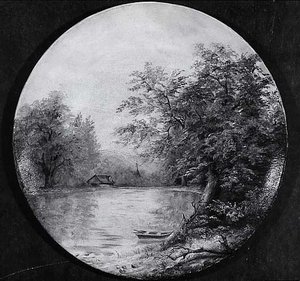
mary e powell
1854 - 1922
Quick Facts
- Artistic Movement Or Style: Impressionism
- Artists Who Influenced This Artist: ['Ron Lukas']
- Date Of Birth: 1854
- Date Of Death: 1922
- Full Name: Mary E Powell
- Nationality: American
- Notable Artworks:
- Autumn Trees
- Winter Trees
- Farm Scene
- Place Of Birth: Winthrop, Washington