

 Preview
 Send
Send Share
Share
 Details

 Download
 Similars
 X-Ray
X-Ray Diaporama
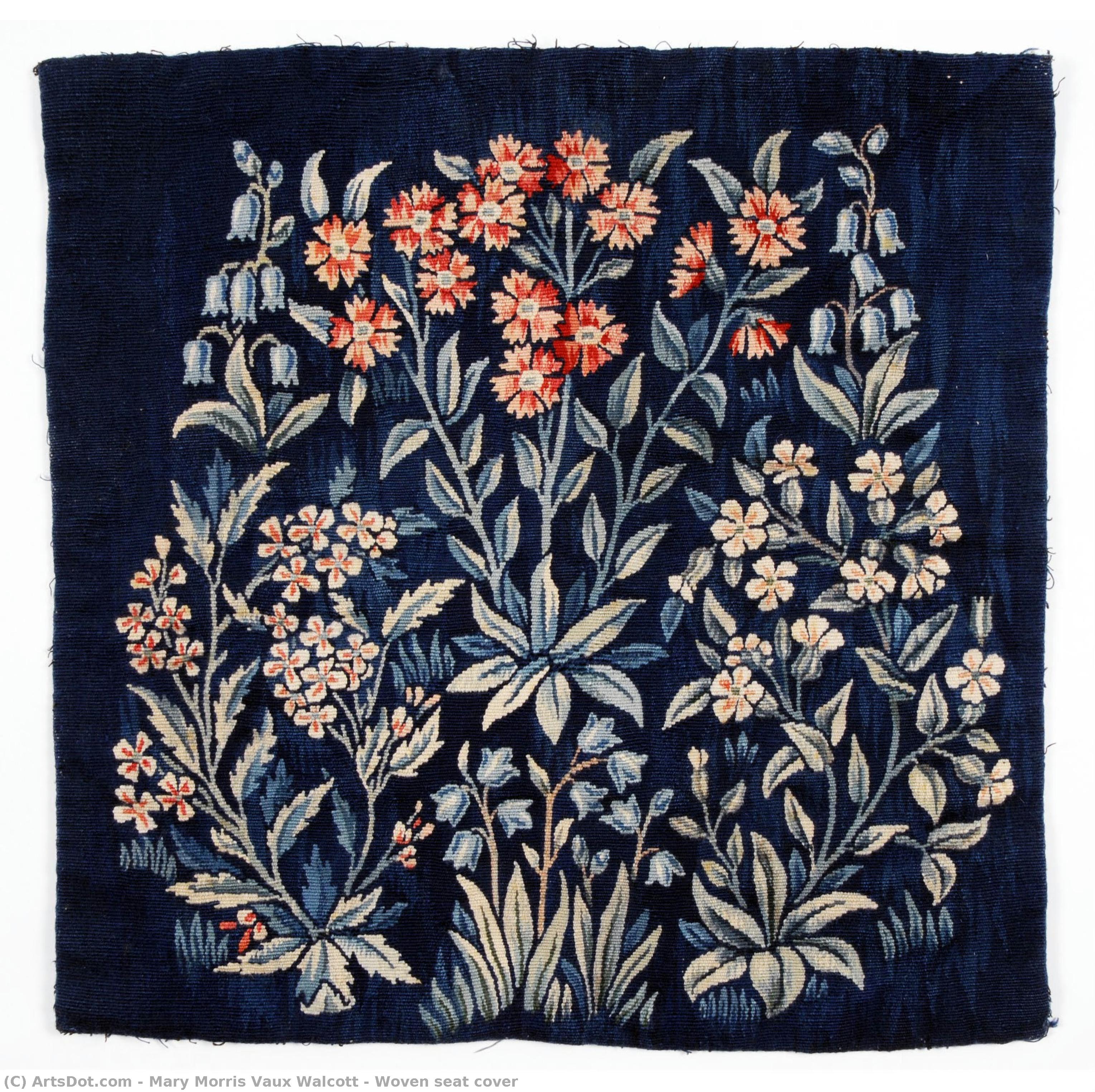
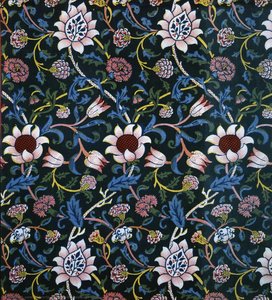
Woven seat cover
 Acrylic On Canvas
- WallArt
 1890
1890 51.0 x 52.0 cm
 William Morris Gallery
 Read More
Purchase a high-resolution, enhanced digital image, far superior to the online preview.
Each file is meticulously prepared by our in-house specialists using advanced tools and expert manual retouching. We ensure every image has exceptional clarity, precise color accuracy, and fine detail.
The final file is delivered via email within 72 hours, optimized for immediate use in professional, editorial, and print environments. This is the same quality trusted by top-tier design studios, publishers, and galleries.
Digital Image
Download a high-resolution file for personal display, printing, and creative projects. ( Buy Print Buy Hand Made Painting)
Included in Every Digital Image Order
Expert Digital Delivery, Guaranteed
When you choose ArtsDot.com, you're not just getting an image - you're receiving a professionally enhanced digital artwork, crafted with precision and backed by a satisfaction guarantee. Here's everything that comes with your order, automatically:

Fast Email Delivery
Your high-resolution digital image file will be emailed to you within 72 hours of ordering - ready for immediate use.

AI-Enhanced Digital File
Your artwork is professionally optimized using advanced AI tools and manual editing, ensuring maximum detail, clarity, and color accuracy.

Free Lifetime Re-Delivery
Accidentally deleted or lost your file? No worries - we'll resend it to you anytime, free of charge.

No Import Fees - Ever
Enjoy your artwork instantly with zero customs, duties, or delivery fees - digital downloads are always tax-free.

Color Accuracy Guarantee
We ensure your digital image reflects the original colors as closely as possible using professional tools and color management.

60-Day Satisfaction Guarantee
If you're not satisfied with your digital image, we'll revise it or refund 100% within 60 days - no questions asked.

100% Money-Back Guarantee
Not satisfied? Get a full refund within 60 days of receiving your digital file - no questions asked.

Bulk Order Discounts
Buy 3 images, save 10% - Buy 5, save 15% - Buy 10+, save 20%. Great for creative projects, galleries, and agencies.
Collectible Description
A Tapestry of Blooms: Exploring Mary Vaux Walcott’s “Woven Seat Cover”
Mary Morris Vaux Walcott stands as a testament to the transformative power of artistic passion within societal constraints—a woman who defied expectations and dedicated her life to documenting the breathtaking beauty of the botanical world. Born in Philadelphia in 1860, she inherited a Quaker upbringing steeped in simplicity and moral conviction, values that would profoundly influence her artistic endeavors and lifelong commitment to conservation. While conventional roles often dictated women’s lives during the Victorian era, Walcott refused to accept limitations, nurturing her innate curiosity about flora alongside remarkable artistic skill—a combination that resulted in an unparalleled legacy of botanical illustration. Her journey began with a fascination for wildflowers encountered during childhood explorations, blossoming into a lifelong obsession with capturing their delicate forms and vibrant colors. Recognizing the importance of scientific accuracy alongside aesthetic appreciation, Walcott meticulously studied plant anatomy and coloration, mastering watercolor techniques to achieve astonishing levels of detail. This dedication culminated in collaborations with ornithologist John James Audubon—a partnership that cemented her reputation as “The Audubon of Botany”—and solidified her contribution to American natural history. Walcott’s distinctive style embraced a blend of realism and symbolic representation. Unlike many artists of her time who prioritized idealized depictions, she sought to convey the essence of each plant species through nuanced observation and artistic interpretation. Her watercolors weren't merely representations; they were imbued with emotion—a palpable reverence for the natural world that resonated deeply within viewers. The meticulous layering of translucent washes created luminous effects, capturing the subtle variations in color and texture that characterize botanical specimens. Furthermore, Walcott skillfully employed compositional devices to guide the eye and emphasize key features, elevating her artwork beyond mere documentation into a form of visual poetry. The “Woven Seat Cover,” completed in 1890, exemplifies Walcott’s artistic vision perfectly. This tapestry depicts a profusion of scarlet poppies interspersed amongst verdant foliage—a striking juxtaposition that speaks to the duality inherent in nature itself: beauty alongside decay; vibrancy alongside stillness. The floral design isn't merely decorative; it carries symbolic weight—poppies representing remembrance and mourning, reflecting Walcott’s Quaker faith and her profound empathy for human suffering. The woven texture of the seat cover adds another layer of complexity, mirroring the interwoven threads of life itself—the interconnectedness of organisms within ecosystems and the enduring influence of natural forces on human experience. Considered a masterpiece of botanical illustration, “Woven Seat Cover” transcends its formal designation as a decorative textile. It serves as an invitation to contemplate the sublime grandeur of the natural world and to appreciate the artistry of Mary Vaux Walcott—a woman who transformed scientific observation into breathtaking visual expression. Its luminous watercolors, masterful composition, and evocative symbolism continue to inspire collectors and interior designers alike—demonstrating that true beauty resides not only in form but also in conveying profound emotional resonance. Reproductions of this iconic artwork offer a tangible connection to a bygone era—allowing us to experience the artistic spirit of Mary Vaux Walcott and her unwavering devotion to preserving the splendor of botanical art for generations to come.Related Artworks
Artist Biography
A Life Immersed in Flora: The Botanical Art of Mary Morris Vaux Walcott
Mary Morris Vaux Walcott, a name synonymous with the meticulous beauty of botanical illustration, emerged as a pioneering figure in American art and naturalism during the late 19th and early 20th centuries. Born in Philadelphia in 1860 into a devout Quaker family, her life was one of quiet dedication, blossoming from an initial fascination with wildflowers into a lifelong pursuit that would leave an indelible mark on the scientific record and artistic landscape. While societal expectations often confined women to domestic roles during this era, Walcott carved her own path, driven by an innate curiosity about the natural world and a remarkable talent for capturing its intricate details. Her early years were marked by responsibility; following her mother’s death when she was nineteen, Mary assumed care of her father and two younger brothers, yet even amidst these duties, her artistic inclinations flourished. The annual family summer excursions to the Canadian Rockies proved pivotal, igniting not only a passion for painting but also an interest in geology and glacial formations – interests that would subtly inform her later work.The Audubon of Botany: Artistic Development and Recognition
Walcott’s artistic journey wasn't formally structured by academic training; instead, it was nurtured through self-directed study and immersion in the natural world. She began painting wildflowers almost instinctively, honing her skills through observation and practice. Her approach diverged from conventional floral depictions of the time, prioritizing scientific accuracy alongside aesthetic appeal. Unlike many artists who romanticized or stylized their subjects, Walcott strived for precise representation, meticulously rendering each petal, leaf, and stem with unwavering fidelity. This dedication to realism, coupled with her artistic sensitivity, earned her the well-deserved moniker “the Audubon of Botany.” Her work quickly gained recognition within scientific circles, particularly after she began collaborating with botanists who appreciated the value of her detailed illustrations for identification and documentation purposes. The Smithsonian Institution became a crucial partner in disseminating her art, publishing *North American Wild Flowers* in 1925 – a five-volume collection showcasing over four hundred of her exquisite watercolors. This publication cemented her reputation as a leading botanical artist and ensured her work would reach a wider audience.Beyond the Canvas: A Life of Exploration and Scientific Contribution
Mary Vaux Walcott’s life extended far beyond the confines of an art studio. She was a passionate mountaineer, becoming the first woman to ascend Mount Stephen in the Canadian Rockies in 1900 – a testament to her adventurous spirit and physical endurance. These expeditions weren't merely recreational; they were integral to her artistic practice, providing access to rare and previously undocumented plant species. She meticulously documented glacial recession alongside her brothers, creating valuable records for future scientific study. Her marriage in 1914 to Charles Doolittle Walcott, Secretary of the Smithsonian Institution, further intertwined her life with the world of science. Together, they continued their explorations of the Canadian Rockies, and Mary’s artistic contributions became increasingly integrated into her husband's paleontological research. She wasn’t simply illustrating plants; she was actively contributing to a broader understanding of the natural environment. Her involvement extended to social circles as well, becoming a prominent hostess in Washington D.C., bridging the gap between scientific and societal spheres.Legacy and Lasting Impact
Mary Morris Vaux Walcott passed away in 1940, leaving behind a legacy that continues to inspire both artists and scientists today. Her meticulous botanical illustrations are not only admired for their aesthetic beauty but also valued as invaluable scientific resources. The *North American Wild Flowers* remains a landmark publication, and her original watercolors are treasured possessions of the Smithsonian Institution and other museums. She paved the way for future generations of female botanical artists, demonstrating that women could excel in both artistic and scientific pursuits. Her work serves as a powerful reminder of the importance of observation, precision, and dedication – qualities that transcend disciplinary boundaries. Walcott’s contribution extends beyond her art; the Charles Doolittle Walcott Medal, established by her in honor of her husband, continues to recognize outstanding achievements in Precambrian and Cambrian paleontology. Her life story is a testament to the power of passion, perseverance, and the enduring beauty of the natural world. She stands as an exemplar of how art and science can converge to illuminate our understanding of the planet we inhabit.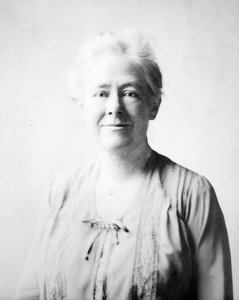
Mary Morris Vaux Walcott
1860 - 1940
Quick Facts
- Artistic Movement Or Style: Botanical Illustration
- Date Of Birth: 1860
- Date Of Death: 1940
- Full Name: Mary Morris Vaux Walcott
- Nationality: American
- Notable Artworks:
- My First Painting
- North American Wild Flowers
- Place Of Birth: Philadelphia, USA

