

 Preview
 Send
Send Share
Share
 Details

 Download
 Similars
 X-Ray
X-Ray Diaporama
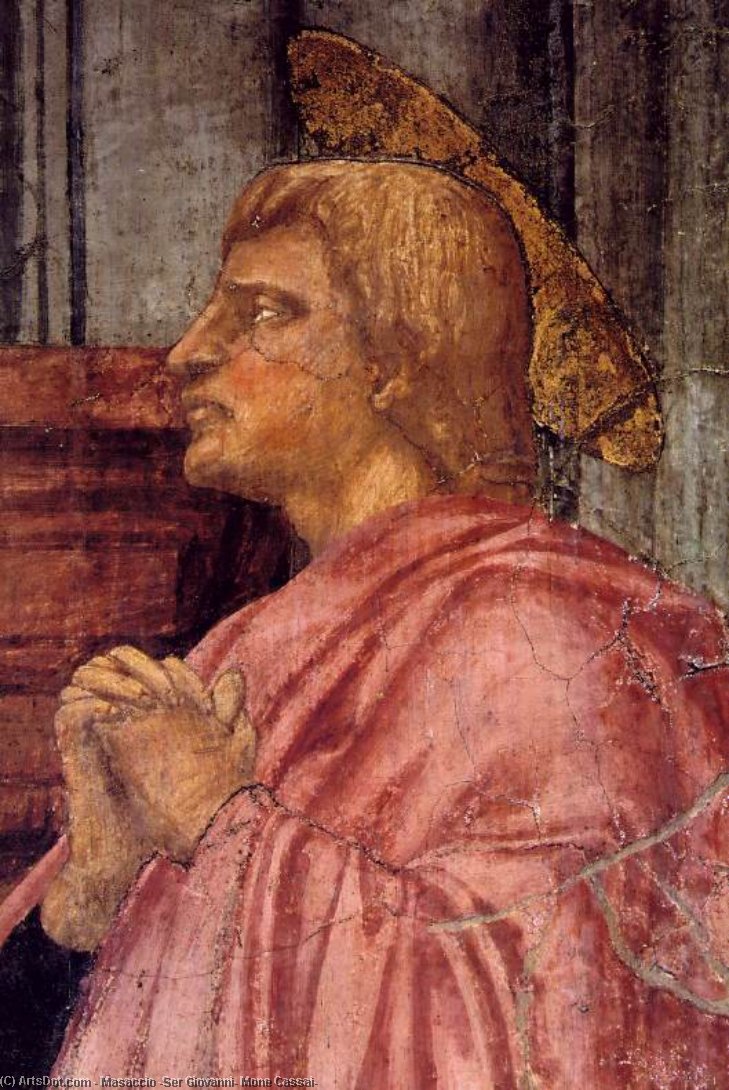
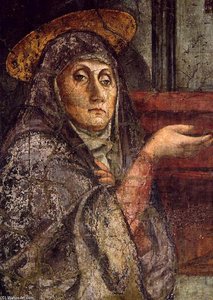
Trinity (detail)


 Read More
Purchase a high-resolution, enhanced digital image, far superior to the online preview.
Each file is meticulously prepared by our in-house specialists using advanced tools and expert manual retouching. We ensure every image has exceptional clarity, precise color accuracy, and fine detail.
The final file is delivered via email within 72 hours, optimized for immediate use in professional, editorial, and print environments. This is the same quality trusted by top-tier design studios, publishers, and galleries.
Digital Image
Download a high-resolution file for personal display, printing, and creative projects. ( Buy Print Buy Hand Made Painting)
Included in Every Digital Image Order
Expert Digital Delivery, Guaranteed
When you choose ArtsDot.com, you're not just getting an image - you're receiving a professionally enhanced digital artwork, crafted with precision and backed by a satisfaction guarantee. Here's everything that comes with your order, automatically:

Fast Email Delivery
Your high-resolution digital image file will be emailed to you within 72 hours of ordering - ready for immediate use.

AI-Enhanced Digital File
Your artwork is professionally optimized using advanced AI tools and manual editing, ensuring maximum detail, clarity, and color accuracy.

Free Lifetime Re-Delivery
Accidentally deleted or lost your file? No worries - we'll resend it to you anytime, free of charge.

No Import Fees - Ever
Enjoy your artwork instantly with zero customs, duties, or delivery fees - digital downloads are always tax-free.

Color Accuracy Guarantee
We ensure your digital image reflects the original colors as closely as possible using professional tools and color management.

60-Day Satisfaction Guarantee
If you're not satisfied with your digital image, we'll revise it or refund 100% within 60 days - no questions asked.

100% Money-Back Guarantee
Not satisfied? Get a full refund within 60 days of receiving your digital file - no questions asked.

Bulk Order Discounts
Buy 3 images, save 10% - Buy 5, save 15% - Buy 10+, save 20%. Great for creative projects, galleries, and agencies.
Collectible Description
The Trinity (Detail): A Dawn of Renaissance Realism
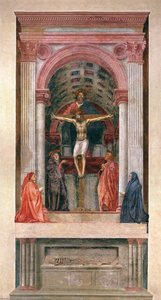
Masaccio’s “Trinity (detail),” housed within the magnificent Santa Maria Novella in Florence, isn't merely a fresco; it’s a pivotal moment in art history – a visual manifesto declaring the arrival of the High Renaissance. Painted between 1425 and 1427, this intimate section captures the essence of Masaccio’s revolutionary approach to depicting reality, a departure from the stylized elegance of the preceding Gothic era and a profound influence on generations of artists to come. The scene, centered around an elder figure representing God the Father, is imbued with a startling sense of depth, volume, and emotional resonance that was unprecedented for its time.
The fresco’s immediate impact lies in its masterful use of linear perspective. Masaccio didn't simply depict space; he created it – a meticulously constructed illusion of three-dimensionality that draws the viewer directly into the scene. The architecture, modeled after Roman precedents and likely informed by Filippo Brunelleschi’s groundbreaking experiments with perspective, recedes realistically towards a vanishing point, anchoring the figures within a believable environment. This isn't a flat surface; it’s a stage where forms exist in relation to each other, creating an astonishingly convincing sense of space.
A Symphony of Color and Light
Masaccio’s palette is restrained yet remarkably effective. Earth tones – ochres, siennas, and umbers – dominate the composition, lending it a dignified solemnity. However, within this muted range, he skillfully employs chiaroscuro—the dramatic interplay of light and shadow—to sculpt the figures and define their forms. The light source, emanating from an unseen point above and to the right, casts deep shadows that accentuate the musculature of the Father’s body, imbuing him with a palpable sense of weight and presence. This subtle manipulation of light isn't merely decorative; it’s integral to Masaccio’s goal of creating realistic figures that appear to exist within a tangible world.
The figure of the Father is particularly striking. His face, rendered with astonishing detail – the furrowed brow, the thoughtful gaze—conveys an intense contemplation. He isn't depicted as a distant deity but as a human being grappling with profound questions. The folds of his garment are meticulously modeled, demonstrating Masaccio’s mastery of drapery and his commitment to accurately representing the texture and weight of fabric.
Symbolism and Spiritual Depth
Beyond its technical brilliance, “Trinity (detail)” is rich in symbolic meaning. The central figure represents God the Father, while the dove hovering above symbolizes the Holy Spirit. The presence of Mary and Saint John—both deeply revered figures within Christian iconography—adds layers of spiritual significance to the scene. The inclusion of a *memento mori* – a reminder of death – beneath the depiction of the Trinity serves as a poignant counterpoint, reminding viewers of the ephemeral nature of earthly existence and the importance of seeking salvation.
The donor figures flanking the central archway are particularly intriguing. Their placement within the architectural framework suggests that they represent patrons who commissioned the fresco—likely members of the Florentine elite. The gesture of prayer, with their hands raised in supplication, underscores the devotional purpose of the artwork and its intended audience.
A Legacy of Innovation
Masaccio’s “Trinity (detail)” represents a watershed moment in art history. It marked a decisive shift away from the stylized conventions of the Gothic era and toward a more naturalistic and intellectually rigorous approach to painting. His innovations in perspective, his mastery of chiaroscuro, and his profound understanding of human anatomy profoundly influenced artists like Leonardo da Vinci and Michelangelo, shaping the course of Western art for centuries to come. Reproductions of this masterpiece offer a unique opportunity to experience firsthand the genius of one of the Renaissance’s most visionary painters.
Additional Research:
Related Artworks
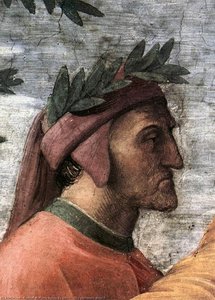
![Stanze Vaticane - The Parnassus (detail) [07] — Raphael, High Renaissance](/media/artworks/images/thumbnails/4f/83/4f8335aa2c6442a08b432a8df7cccdda.jpg)
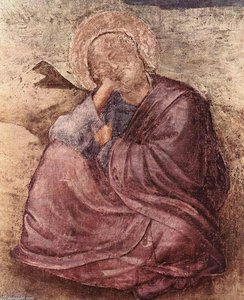
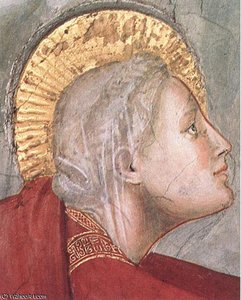
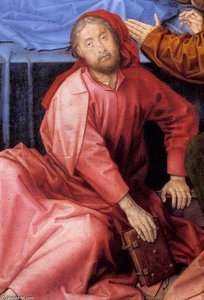
Artist Biography
Masaccio (1401-1428): The Dawn of Renaissance Realism
Tommaso di Ser Giovanni di Simone, better known as Masaccio (meaning "clumsy Tom"), was a pivotal figure in the Early Italian Renaissance. Born on December 21, 1401, in San Giovanni Valdarno, Italy, and dying tragically young in 1428, his brief career revolutionized painting with groundbreaking realism, perspective, and chiaroscuro (the use of strong contrasts between light and dark). Despite his short life, Masaccio’s impact on subsequent generations of artists was profound, establishing a new standard for naturalism and influencing the course of Western art.
Early Life and Training
- Origins: Born to Giovanni di Simone Cassai, a notary, and Jacopa di Martinozzo. His family name, Cassai, derived from his paternal grandfather's trade as a cabinet maker.
- Early Years: Orphaned at age five when his father died, he had a brother, Giovanni (Lo Scheggia), who also became a painter.
- Apprenticeship: The details of Masaccio’s artistic training remain largely unknown, which is unusual for Renaissance artists. It's believed he likely apprenticed around the age of 12, but no definitive master has been identified. This lack of documented training adds to the mystery surrounding his rapid development and innovative techniques.
- Guild Membership: He joined the painters’ guild (Arte de’ Medici e Speziali) in Florence on January 7, 1422, signifying his emergence as an independent master artist.
Artistic Development and Major Works
- Early Influences: Initially influenced by Giotto di Bondone, a predecessor known for his naturalism, Masaccio quickly surpassed him in his understanding of perspective and anatomy. He also drew inspiration from the architectural innovations of Filippo Brunelleschi, particularly Brunelleschi’s rediscovery of linear perspective.
- Key Innovations: Masaccio pioneered several groundbreaking techniques:
- Linear Perspective: Employed vanishing points and mathematical precision to create a convincing illusion of depth on a two-dimensional surface.
- Chiaroscuro: Masterfully used light and shadow to model forms, creating a sense of volume and realism previously unseen in painting.
- Naturalism: Depicted figures with anatomical accuracy and emotional expressiveness, moving away from the stylized representations of earlier periods.
- Significant Works:
- San Giovenale Triptych (c. 1422): An early work demonstrating his developing skill in perspective and naturalistic representation.
- Madonna and Child with St. Anne (c. 1423-1425): A collaboration with Masolino, showcasing Masaccio’s emerging realism alongside Masolino's more traditional style.
- Brancacci Chapel Frescoes (c. 1425-1428): His most celebrated and influential works, located in the Church of Santa Maria del Carmine in Florence. These frescoes, including "The Tribute Money," "Expulsion from Paradise," and "St. Peter Baptizing the Neophytes," are considered masterpieces of Early Renaissance art.
Historical Significance and Legacy
Masaccio’s impact on the course of Western art is immeasurable, despite his tragically short career. His innovations in perspective, chiaroscuro, and naturalism fundamentally altered how artists depicted the world. He effectively bridged the gap between Medieval artistic conventions and the emerging ideals of the Renaissance.
- Influence on Subsequent Artists: Masaccio’s work profoundly influenced generations of painters, including Donatello, Leonardo da Vinci, Michelangelo, and Raphael. They studied his frescoes intently, adopting and adapting his techniques to their own styles.
- Foundation for the High Renaissance: His emphasis on realism and human emotion laid the groundwork for the artistic achievements of the High Renaissance.
- Vasari's Account: The biographer Giorgio Vasari recognized Masaccio’s genius, praising him as "the best painter of his generation" and highlighting his ability to imitate nature with unparalleled skill.
- A Tragic Loss: His death at the young age of 26 was mourned by contemporaries like Filippo Brunelleschi, who lamented the loss of such a remarkable talent.
Conclusion
Masaccio’s legacy endures as one of the most important and influential artists in history. He stands as a pivotal figure in the transition from Medieval to Renaissance art, forever changing the way we perceive and represent the world through painting. His brief but brilliant career serves as a testament to the power of innovation and the enduring impact of artistic genius.
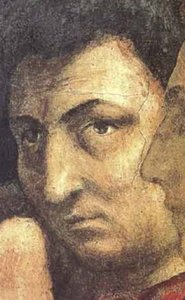
Masaccio
1401 - 1429 , Italy
Quick Facts
- Artistic Movement Or Style: Early Renaissance
- Artists Or Movements Influenced By This Artist: ['Later Renaissance painters']
- Artists Who Influenced This Artist:
- Giotto
- Filippo Brunelleschi
- Donatello
- Date Of Birth: December 21, 1401
- Date Of Death: Summer 1428
- Full Name: Masaccio (Ser Giovanni, Mone Cassai)
- Nationality: Italian
- Notable Artworks:
- The Trinity
- Brancacci Chapel frescoes
- Holy Trinity
- Tribute Money
- Place Of Birth: San Giovanni Valdarno, Italy

