 Preview
 Send
Send Share
Share
 Details

 Download
 Similars
 X-Ray
X-Ray Diaporama
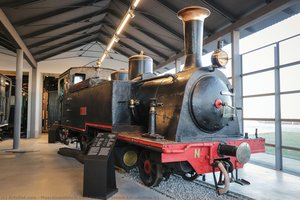
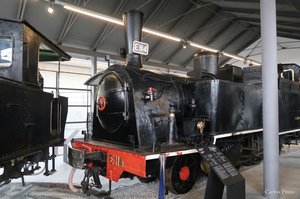
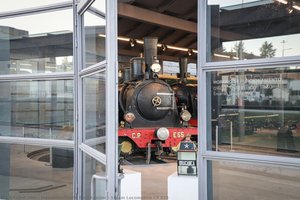
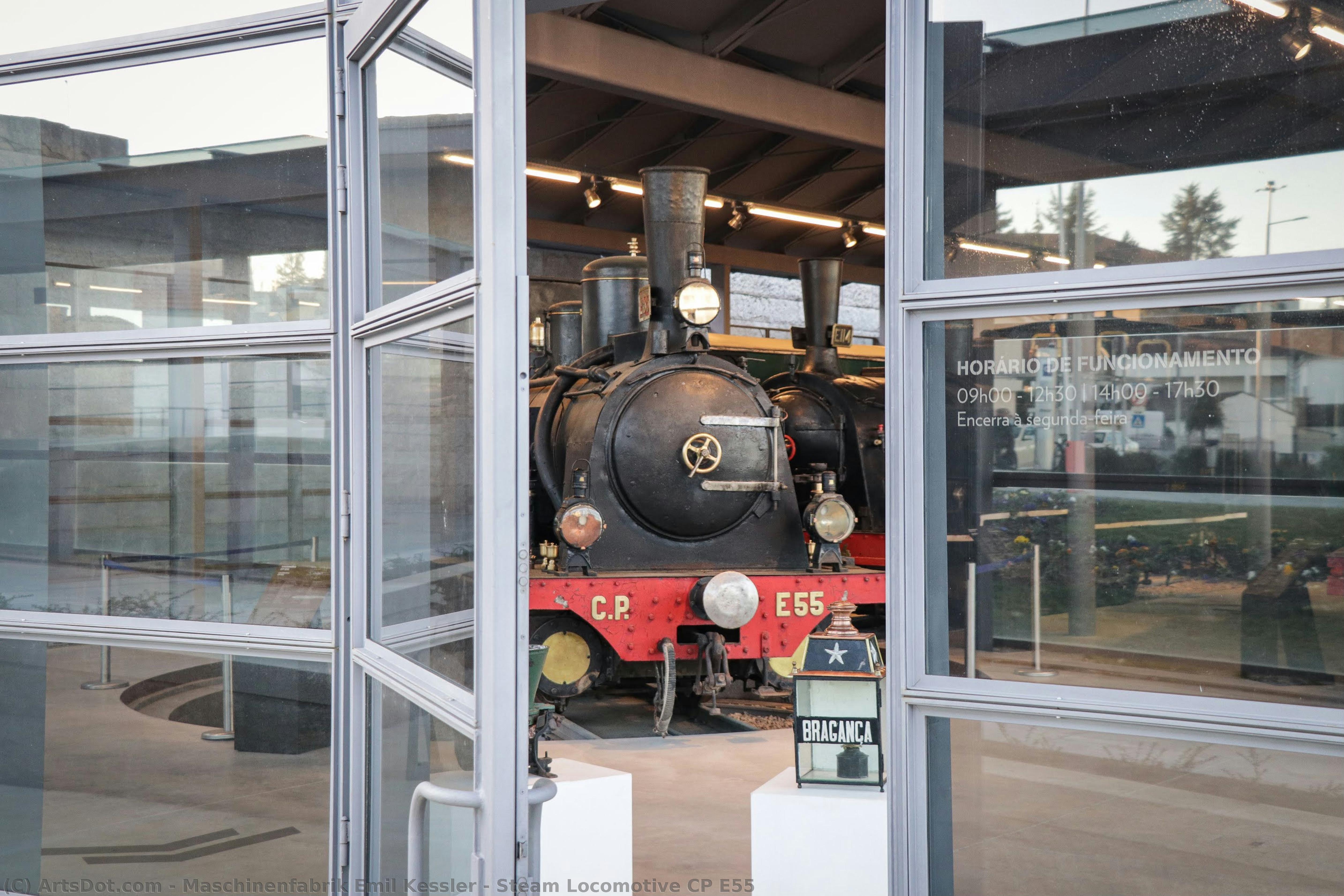
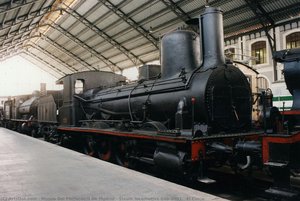
Steam Locomotive CP E55


 Read More
Hand Made Oil Reproduction
Hand-painted oil on canvas in your size and frame, made to order by our artists. ( Buy Print Buy Image)




































Pick from our preset sizes that match the artwork's original proportions.

You may enter your own dimensions to fit a specific frame or space. If your selected size does not match the original image's proportions, we will either crop the artwork or extend the painting with additional hand-painted elements. A digital mockup will be sent for your approval before production begins.
Please note that the on-screen preview does not reflect the actual cropping or extension. Only the mockup will accurately show the final composition.
While custom sizes are available, we recommend selecting a dimension from the predefined list to preserve the original proportions.
After order, ArtsDot.com team will email client for instructions and provide a mockup preview
Worldwide Delivery () in 3/4 weeks instead of standard 5 weeks. (23 August). No compromise on quality.

Free Worldwide Express Shipping

High-Quality Linen Canvas

Full Shipping Insurance

Customs Tax Refund Guarantee

True Color Matching Guarantee

60-Day Return Policy (Defects Only)

100% Money-Back Guarantee

Bulk Discount Offer
 Glass option is only available in size under 110 CM

Steam Locomotive CP E55
Reproduction Medium
Reproduction Size
-


Total Price
$ 263
Artwork Description
Related Artworks




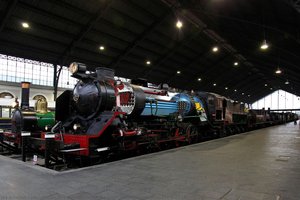
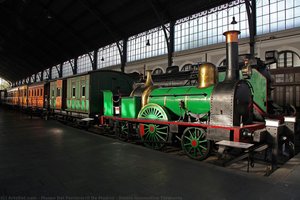

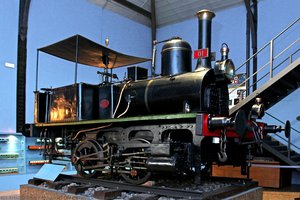
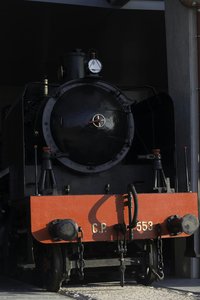
Artist Biography
Emil Kessler: Pioneer of German Railway Engineering
Emil Julius Carl Kessler (August 20, 1813 – March 16, 1867) stands as a pivotal figure in the annals of German industrial history and railway innovation. Born in Baden-Baden, he embarked on a path that would transform him into not merely a businessman but also the visionary founder of Maschinenfabrik Esslingen—a workshop that irrevocably shaped the trajectory of locomotive manufacturing and contributed significantly to the burgeoning infrastructure of Prussia and Württemberg.- Early Life & Education: Kessler’s formative years were marked by meticulous study, culminating in degrees in constructional and mechanical engineering from Karlsruhe University. This academic grounding provided him with the foundational knowledge necessary for his subsequent endeavors.
- The Founding of Maschinenfabrik Esslingen (1846): Driven by a desire to foster independent German locomotive production—free from reliance on foreign expertise—Kessler partnered with Theodor Martiensen in Stuttgart. Recognizing the potential of Württemberg’s ambitions within the railway sector, they established Maschinenfabrik Esslingen, leveraging Kessler's prior experience at Karlsruhe’s engineering works.
- Innovation & Locomotive Design: From its inception, Esslingen distinguished itself through groundbreaking locomotive designs—most notably the N1 and E55 classes—which embodied a commitment to efficiency and reliability. Kessler’s meticulous attention to detail and his understanding of thermodynamics propelled Esslingen to the forefront of technological advancement.
- Royal Patronage & Expansion: The Württemberg Royal Railway Commission swiftly recognized Esslingen's capabilities, awarding it contracts for locomotive construction and railway infrastructure projects. This patronage fueled rapid growth and solidified Esslingen’s position as a cornerstone of Prussia’s industrial landscape.
The Birth of the N1 Locomotive & Its Impact
Perhaps Kessler's most enduring legacy resides in the development of the N1 locomotive—a masterpiece of engineering that debuted in 1841. Commissioned by the Grand Duchy of Baden State Railway, this engine represented a triumph of innovation and symbolized Württemberg’s determination to establish its own railway industry. Its streamlined design and powerful performance established Esslingen as a leader in locomotive technology and cemented Kessler's reputation as a visionary engineer.A Legacy Forged in Steel & Steam
Kessler’s influence extended beyond locomotive construction; he spearheaded the creation of Maschinenbau-Gesellschaft Karlsruhe, furthering Württemberg’s railway ambitions. The establishment of this new facility underscored Kessler's unwavering dedication to bolstering Germany’s industrial prowess and securing its role as a dominant force in European transportation.Recognition & Remembrance
Emil Kessler died unexpectedly in Esslingen am Neckar on March 16, 1867, succumbing to a heart attack—a tragic end for a man who had devoted his life to advancing the art of engineering and shaping the future of German railways. His contributions continue to inspire admiration within the engineering community and serve as a testament to the transformative power of vision and perseverance.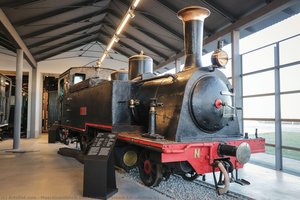
maschinenfabrik emil kessler
1813 - 1867 , Germany
Quick Facts
- Artistic Movement Or Style: Industrial Design
- Artists Or Movements Influenced By This Artist: ['Ludwig Keßler']
- Artists Who Influenced This Artist: ['Victor Huster']
- Date Of Birth: August 20, 1813
- Date Of Death: March 16, 1867
- Full Name: Emil Julius Carl Kessler
- Nationality: German
- Notable Artworks: ['Badenia Steam Locomotive']
- Place Of Birth: Baden-Baden, Germany