

 Preview
 Send
Send Share
Share
 Details

 Download
 Similars
 X-Ray
X-Ray Diaporama
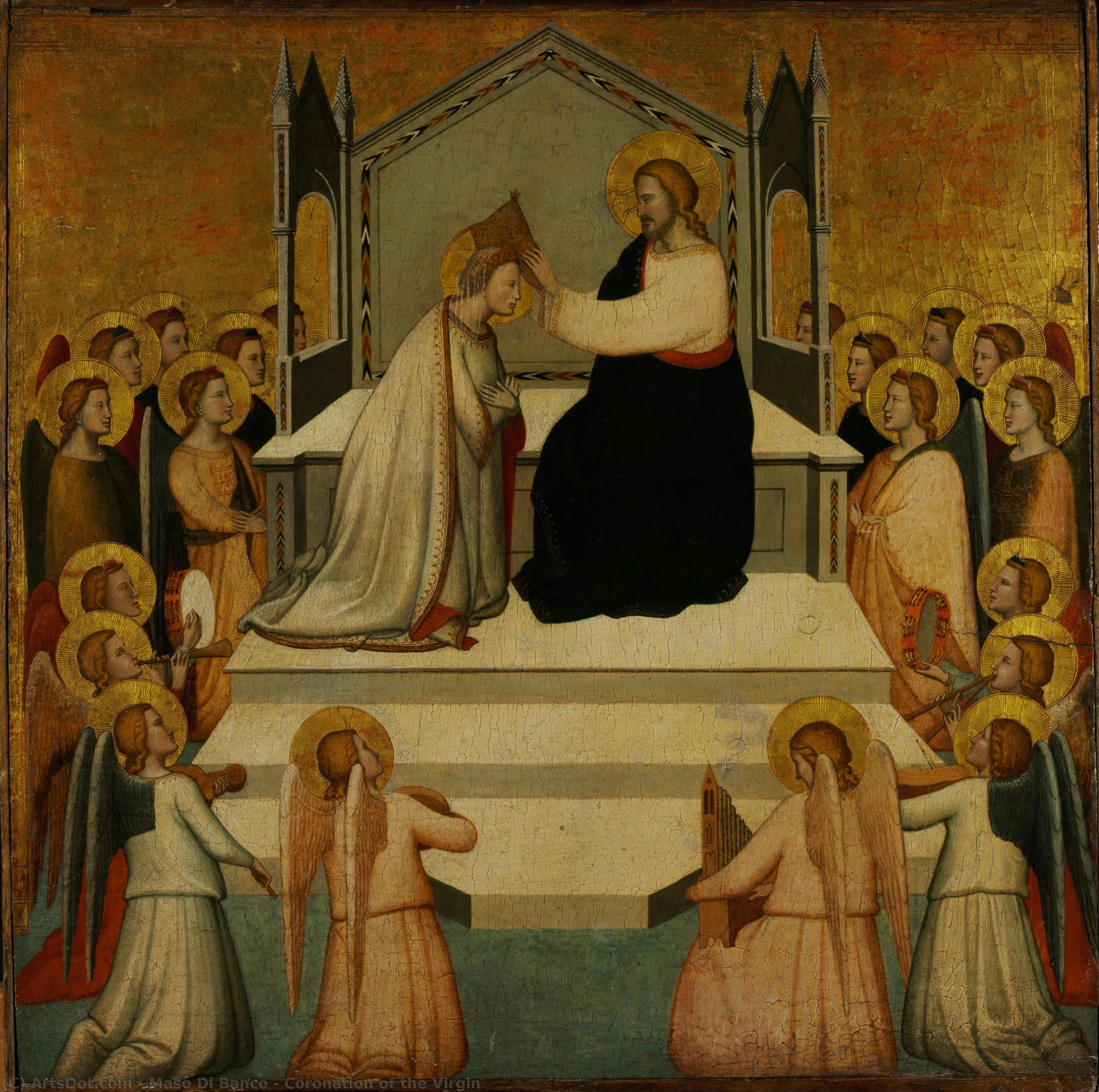
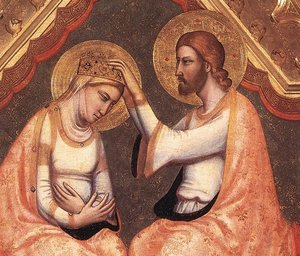
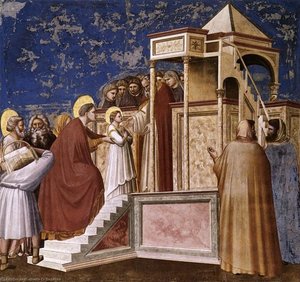
Coronation of the Virgin
 Acrylic On Canvas
- WallArt
- Early Renaissance
 1340
1340 51.0 x 51.0 cm
 Museum of Fine Arts
 Read More
Purchase a high-resolution, enhanced digital image, far superior to the online preview.
Each file is meticulously prepared by our in-house specialists using advanced tools and expert manual retouching. We ensure every image has exceptional clarity, precise color accuracy, and fine detail.
The final file is delivered via email within 72 hours, optimized for immediate use in professional, editorial, and print environments. This is the same quality trusted by top-tier design studios, publishers, and galleries.
Digital Image
Download a high-resolution file for personal display, printing, and creative projects. ( Buy Print Buy Hand Made Painting)
Included in Every Digital Image Order
Expert Digital Delivery, Guaranteed
When you choose ArtsDot.com, you're not just getting an image - you're receiving a professionally enhanced digital artwork, crafted with precision and backed by a satisfaction guarantee. Here's everything that comes with your order, automatically:

Fast Email Delivery
Your high-resolution digital image file will be emailed to you within 72 hours of ordering - ready for immediate use.

AI-Enhanced Digital File
Your artwork is professionally optimized using advanced AI tools and manual editing, ensuring maximum detail, clarity, and color accuracy.

Free Lifetime Re-Delivery
Accidentally deleted or lost your file? No worries - we'll resend it to you anytime, free of charge.

No Import Fees - Ever
Enjoy your artwork instantly with zero customs, duties, or delivery fees - digital downloads are always tax-free.

Color Accuracy Guarantee
We ensure your digital image reflects the original colors as closely as possible using professional tools and color management.

60-Day Satisfaction Guarantee
If you're not satisfied with your digital image, we'll revise it or refund 100% within 60 days - no questions asked.

100% Money-Back Guarantee
Not satisfied? Get a full refund within 60 days of receiving your digital file - no questions asked.

Bulk Order Discounts
Buy 3 images, save 10% - Buy 5, save 15% - Buy 10+, save 20%. Great for creative projects, galleries, and agencies.
Collectible Description
A Vision of Divine Grace – Maso di Banco’s Frescoes at Santa Croce
Florence in the mid-XIV century pulsed with artistic fervor, fueled by the revolutionary innovations of Giotto di Bondone. Amidst this burgeoning creativity stood Maso di Banco and Taddeo Gaddi, disciples who tirelessly pursued the dramatic realism championed by their revered teacher – a style that irrevocably altered the course of Western painting.
Their most celebrated achievement resides within the chapel of the Holy Confessors at Santa Croce, where Maso undertook the ambitious task of depicting scenes from the life of Saint Sylvester I. Alongside Gaddi, he embarked on an extraordinary endeavor: capturing not merely visual likenesses but conveying profound spiritual emotion. The frescoes, unsigned and dateless – likely completed around 1340 – represent a pinnacle of Florentine Gothic art.
Technique and Innovation: Embracing Three Dimensions
Maso di Banco’s approach was groundbreaking. Departing from the flattened perspective prevalent in preceding generations, he skillfully employed techniques that imbued his figures with palpable depth and volume. This masterful manipulation of shading – known as *chiaroscuro* – created a dramatic interplay between light and dark, drawing viewers into the narrative and intensifying its emotional impact.
- Modeling: Banco meticulously sculpted the forms of his subjects using plaster and pigment, achieving an unprecedented level of realism.
- Perspective: He subtly incorporated linear perspective to create a convincing illusion of space, mirroring Giotto’s pioneering efforts.
- Color Palette: The frescoes boast a restrained yet luminous color palette dominated by golds and reds—colors imbued with symbolic significance representing divine majesty and royal authority.
Symbolism – Echoes of Faith and Heavenly Glory
The composition itself speaks volumes about the theological concerns of its time. The central scene depicts Saint Sylvester crowning Mary, symbolizing the Virgin’s role as mediator between heaven and earth. Surrounding figures—including a grieving Sylvestre and an expectant congregation—underscore the solemnity of the occasion.
Above all, however, is the magnificent stained glass window depicting Christ Pantocrator – “Lord Almighty” – gazing down upon the chapel. This monumental depiction embodies the Byzantine tradition of portraying Christ as divine ruler, reinforcing the overarching theme of spiritual transcendence and illuminating the frescoes with ethereal light.
A Legacy Enduring Through Reproduction
Today, reproductions of Maso di Banco’s Coronation of the Virgin offer art lovers a tangible connection to this extraordinary moment in Florentine artistic history. ArtsDot.com presents meticulously crafted prints that faithfully capture the essence of Banco's vision—a testament to his genius and an enduring symbol of faith and beauty.
Related Artworks
![Legend Of St Francis - [16] - Death Of The Knight Of Celano — Giotto Di Bondone, Proto Renaissance](/media/artworks/images-thumb/05/f5/05f5b23fed3aaac850de301d74b05cd9.jpg)
![Legend Of St Francis - [09] - Vision Of The Thrones — Giotto Di Bondone, Gothic Art](/media/artworks/images-thumb/22/63/2263d17803affec5bf4662652047e257.jpg)
Artist Biography
A Florentine Echo of Giotto: The Life and Art of Maso di Banco
Maso di Banco, a name resonating softly through the annals of 14th-century Italian painting, stands as a pivotal figure in the transition from the Gothic style towards the burgeoning Renaissance. Active primarily in Florence between approximately 1320 and 1346, he wasn’t merely a follower of his master, Giotto di Bondone, but a vital link in the chain of artistic innovation that would reshape Western art. While biographical details remain frustratingly scarce—a common fate for artists of this period—the power and eloquence of his surviving frescoes and panel paintings speak volumes about his skill, sensitivity, and enduring influence.
Early Training and Artistic Foundations
Born in Florence, Maso di Banco’s early life is shrouded in the mists of time. What we know with certainty is that he entered Giotto’s workshop during a period when the master was revolutionizing painting. Giotto, rejecting the stylized conventions of Byzantine art, sought to depict figures with greater naturalism and emotional depth. Maso absorbed these lessons wholeheartedly, developing a keen understanding of three-dimensional form, spatial coherence, and narrative clarity. Lorenzo Ghiberti, in his autobiographical *I Commentari*, singled out Maso as Giotto’s most gifted pupil—a testament to his exceptional talent. This training wasn't simply about technique; it was an immersion into a new way of seeing the world, one that prioritized human experience and emotional resonance.
The Santa Croce Chapel: A Masterpiece of Narrative Frescoes
Maso di Banco’s most significant surviving work is undoubtedly the fresco cycle in the Bardi Chapel of the Basilica of Santa Croce in Florence. Commissioned by the powerful Bardi banking family around 1335-1340, these frescoes depict scenes from the life of Pope Saint Sylvester I. The narrative unfolds with a remarkable sense of drama and clarity. The compositions are carefully structured, guiding the viewer’s eye through each episode with deliberate precision. What sets Maso apart is his ability to imbue his figures with both monumentality and emotional weight. In scenes like “St. Sylvester Resurrecting Two Magi Killed by a Dragon,” we see not only a miraculous event but also the profound grief of those witnessing it, and the righteous power of the saint. The architectural settings are rendered with meticulous detail, creating a believable sense of space that further enhances the narrative impact. The symbolic use of elements—the dragon representing pagan ignorance, for example—adds layers of meaning to the already compelling scenes.
Style and Influences: Bridging Gothic and Renaissance
Maso di Banco’s style represents a fascinating synthesis of Gothic elegance and the emerging principles of the Renaissance. He retained a certain refinement in his figures, with graceful contours and harmonious color palettes—elements that reflect influences from both Sienese and Florentine traditions. However, he infused this elegance with Giotto's emphasis on monumentality and emotional realism. His work is characterized by a clarity of design and a deliberate avoidance of excessive ornamentation. While he wasn’t as radical in his innovations as Giotto himself, Maso skillfully adapted the master’s teachings to create a style that was both compelling and uniquely his own. Beyond Giotto, hints of Duccio's influence can be detected in the delicate rendering of fabrics and the expressive faces of his figures.
Legacy and Historical Significance
Although Maso di Banco’s oeuvre is relatively small—compared to some of his contemporaries—his impact on Florentine painting was significant. He served as a crucial link between Giotto's pioneering work and the later achievements of artists like Taddeo Gaddi and Masaccio. His frescoes in Santa Croce became a model for subsequent generations of painters, demonstrating the power of narrative clarity, emotional depth, and spatial coherence. The fact that Lorenzo Ghiberti specifically praised his talent underscores his importance within the artistic community of Florence. While much about his personal life remains unknown, Maso di Banco’s legacy endures through the enduring beauty and eloquence of his art—a testament to a master who helped pave the way for the glories of the Renaissance.
maso di banco
1348 , Italy
Quick Facts
- Artistic Movement Or Style: Early Renaissance
- Artists Or Movements Influenced By This Artist: ['Taddeo Gaddi']
- Artists Who Influenced This Artist: ['Giotto di Bondone']
- Date Of Birth: c. 1320
- Date Of Death: 1346
- Full Name: Maso di Banco
- Nationality: Italian
- Notable Artworks:
- Coronation of the Virgin
- Saint Anthony of Padua
- Fresco from Santa Croce
- Place Of Birth: Florence, Italy

