 Preview
 Send
Send Share
Share
 Details

 Download
 Similars
 X-Ray
X-Ray Diaporama
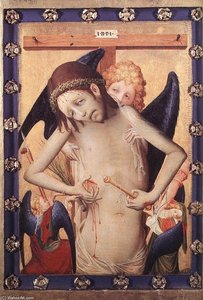
Vir Dolorum (Man of Sorrows)
 1420
1420 42.0 x 31.0 cm
 Museum der bildenden Künste
 Read More
Hand Made Oil Reproduction
Hand-painted oil on canvas in your size and frame, made to order by our artists. ( Buy Print Buy Image)




































Pick from our preset sizes that match the artwork's original proportions.

You may enter your own dimensions to fit a specific frame or space. If your selected size does not match the original image's proportions, we will either crop the artwork or extend the painting with additional hand-painted elements. A digital mockup will be sent for your approval before production begins.
Please note that the on-screen preview does not reflect the actual cropping or extension. Only the mockup will accurately show the final composition.
While custom sizes are available, we recommend selecting a dimension from the predefined list to preserve the original proportions.
After order, ArtsDot.com team will email client for instructions and provide a mockup preview
Worldwide Delivery () in 3/4 weeks instead of standard 5 weeks. (22 August). No compromise on quality.

Free Worldwide Express Shipping

High-Quality Linen Canvas

Full Shipping Insurance

Customs Tax Refund Guarantee

True Color Matching Guarantee

60-Day Return Policy (Defects Only)

100% Money-Back Guarantee

Bulk Discount Offer
 Glass option is only available in size under 110 CM

Vir Dolorum (Man of Sorrows)
Reproduction Medium
Reproduction Size
-


Total Price
$ 263
Artwork Description
The Painting's Significance
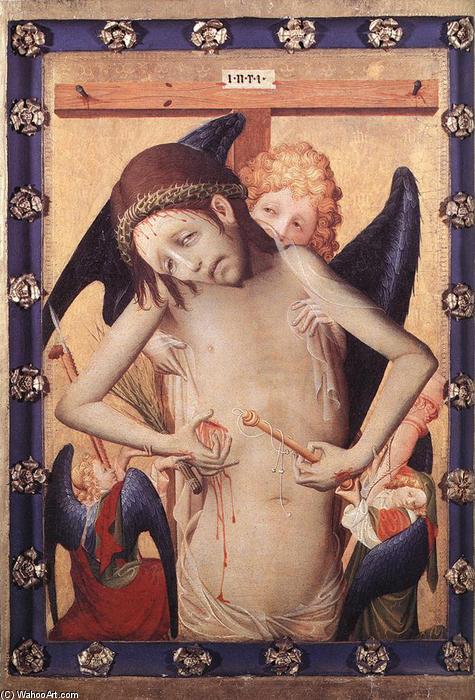
The Vir Dolorum is a powerful representation of Jesus Christ's suffering and sacrifice. The painting depicts Jesus with a crown of thorns, wounds on his body, and a serene expression. The use of symbolism and detail in the painting adds to its emotional impact. For example, the two angels on the left side of the composition are holding a lance and a scroll, which represent the wound in Jesus' side and the prophecy of his sacrifice. Key Features of the painting include:- The use of tempera on oak panel, which gives the painting a unique texture and durability
- The attention to detail and symbolism, which adds to the painting's emotional depth and meaning
- The serene expression on Jesus' face, which conveys a sense of acceptance and sacrifice
Master Francke's Style
Master Francke's style is characterized by his use of bold colors, intricate details, and emotional depth. His paintings often feature religious themes and symbolism, which were typical of the Gothic period. The Vir Dolorum is a prime example of Master Francke's skill and artistry. For those interested in learning more about Master Francke and his works, visit https://ArtsDot.com to explore their collection of hand-made oil painting reproductions. You can also find more information on the Museum der Bildenden Künste and its collection on Wikipedia.The Vir Dolorum is a masterpiece that continues to inspire and move audiences today. Its emotional depth, symbolism, and attention to detail make it a must-see for art lovers and historians alike. Whether you're interested in religious art, Gothic period paintings, or simply want to experience the beauty of Master Francke's work, the Vir Dolorum is a painting that will leave a lasting impression. Visit https://ArtsDot.com to learn more about this incredible piece of art and to explore their collection of hand-made oil painting reproductions.
Related Artworks


Artist Biography
A Master of Sorrowful Piety: The Legacy of Frater Francke
Johannes Francke, known as Frater Francke, stands as a pivotal figure in the burgeoning artistic landscape of 15th-century Germany – specifically within the vibrant Gothic tradition of Hamburg. While biographical details remain somewhat elusive, surviving documentation confirms his involvement in monumental religious commissions during his lifetime, cementing his reputation as one of the era’s most accomplished altarpiece painters.- Early Life and Training: Precise information regarding Francke's formative years is scarce. However, he emerged from Zutphens around 1380, likely receiving his initial artistic training within the guild system prevalent at the time – a cornerstone of medieval craftsmanship where apprenticeships fostered technical mastery alongside spiritual devotion.
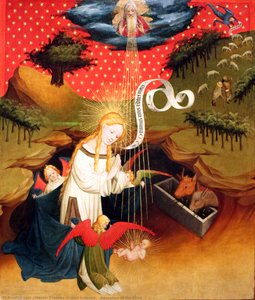
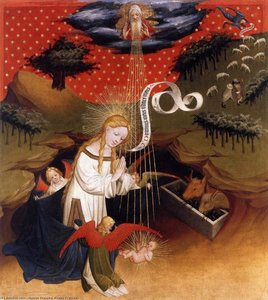
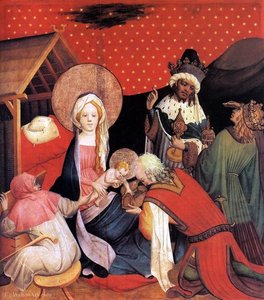
- Hamburg and The Birth of Jesus (1424): Francke’s career truly blossomed in Hamburg, where he secured a contract to create an altarpiece for St. Catharine’s Church. This ambitious project – ‘The Birth of Jesus,’ completed in 1424 – exemplifies his stylistic sensibilities: intense reds dominate the composition, conveying profound emotion and highlighting symbolic elements relating to Christ's divine incarnation. The painting showcases meticulous detail and masterful use of color, reflecting the prevailing Gothic aesthetic.
- Technique and Style: Francke’s artistic style is firmly rooted in Gothic painting conventions. He skillfully employed tempera on panel, achieving luminous colors and textural richness. His depictions of biblical scenes are imbued with dramatic emotion and psychological depth, prioritizing expressive gesture and conveying spiritual contemplation.
- Influence and Legacy: Francke's work profoundly impacted subsequent generations of artists in Hamburg and beyond. He championed the Gothic style, establishing it as a dominant visual language for religious art during his time. His meticulous attention to detail and emotive portrayal of biblical narratives continue to resonate with viewers today, securing his place as an enduring symbol of piety and artistic excellence.
Notable Achievements: The Barbara Altar
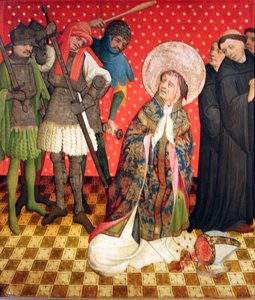
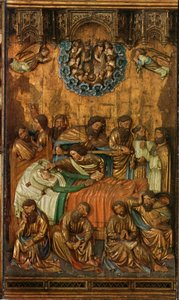
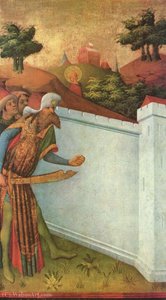
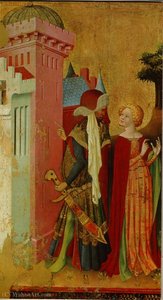
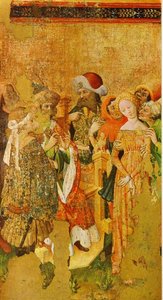
Perhaps Francke’s most celebrated achievement is the ‘Barbara Altar,’ commissioned for St. Barbara’s Church in Hamburg around 1430. This monumental artwork—a testament to his artistic prowess—features a complex narrative depicting Saint Barbara's martyrdom and embodies the Gothic tradition's penchant for grandeur and symbolic representation. The altar’s intricate sculptural elements, combined with vibrant polychrome painting, underscore Francke’s mastery of both visual arts and craftsmanship.Historical Significance
Master Francke’s contribution to German art history is undeniable. He represents a crucial link between medieval artistic traditions and the burgeoning Renaissance movement—a transitional period marked by renewed interest in classical ideals alongside enduring religious devotion. His altarpieces stand as powerful visual expressions of faith, reflecting the spiritual concerns of his era and shaping the aesthetic sensibilities of Hamburg’s artistic community for centuries to come.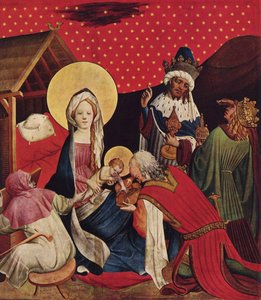
master francke (frater francke)
1380 - 1440 , Netherlands
Quick Facts
- Artistic Movement Or Style: Gothic Renaissance
- Date Of Birth: 1380
- Date Of Death: 1440
- Full Name: Master Francke (frater francke)
- Nationality: Dutch
- Notable Artworks:
- Vir Dolorum
- Barbara Altars
- Place Of Birth: Zutphens, Netherlands