

 Preview
 Send
Send Share
Share
 Details

 Download
 Similars
 X-Ray
X-Ray Diaporama
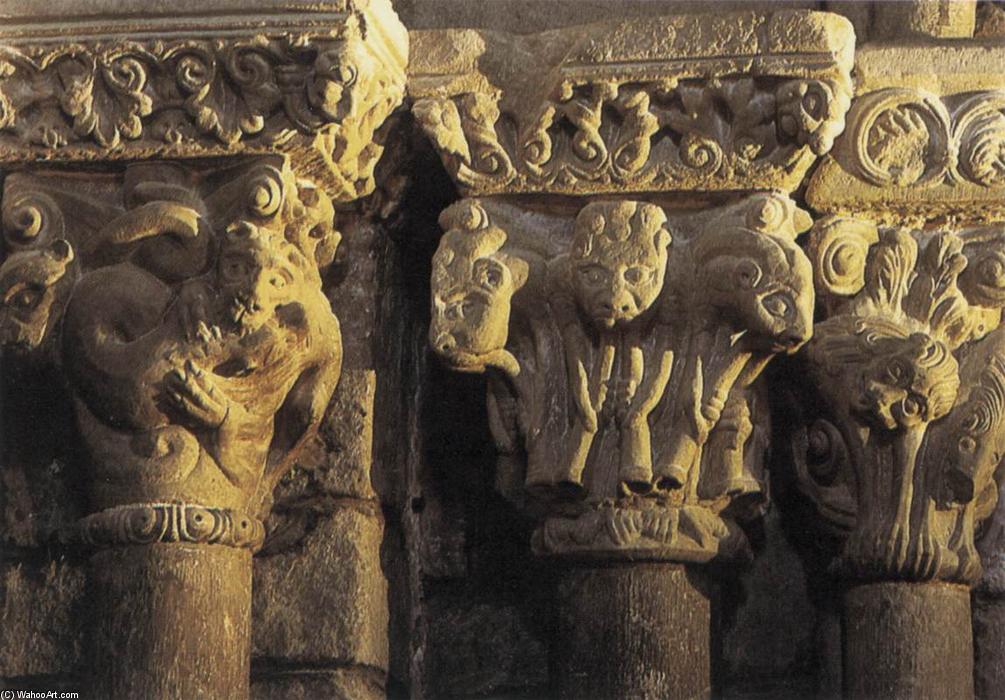
Group of capitals


 Read More
Purchase a high-resolution, enhanced digital image, far superior to the online preview.
Each file is meticulously prepared by our in-house specialists using advanced tools and expert manual retouching. We ensure every image has exceptional clarity, precise color accuracy, and fine detail.
The final file is delivered via email within 72 hours, optimized for immediate use in professional, editorial, and print environments. This is the same quality trusted by top-tier design studios, publishers, and galleries.
Digital Image
Download a high-resolution file for personal display, printing, and creative projects. ( Buy Print Buy Hand Made Painting)
Included in Every Digital Image Order
Expert Digital Delivery, Guaranteed
When you choose ArtsDot.com, you're not just getting an image - you're receiving a professionally enhanced digital artwork, crafted with precision and backed by a satisfaction guarantee. Here's everything that comes with your order, automatically:

Fast Email Delivery
Your high-resolution digital image file will be emailed to you within 72 hours of ordering - ready for immediate use.

AI-Enhanced Digital File
Your artwork is professionally optimized using advanced AI tools and manual editing, ensuring maximum detail, clarity, and color accuracy.

Free Lifetime Re-Delivery
Accidentally deleted or lost your file? No worries - we'll resend it to you anytime, free of charge.

No Import Fees - Ever
Enjoy your artwork instantly with zero customs, duties, or delivery fees - digital downloads are always tax-free.

Color Accuracy Guarantee
We ensure your digital image reflects the original colors as closely as possible using professional tools and color management.

60-Day Satisfaction Guarantee
If you're not satisfied with your digital image, we'll revise it or refund 100% within 60 days - no questions asked.

100% Money-Back Guarantee
Not satisfied? Get a full refund within 60 days of receiving your digital file - no questions asked.

Bulk Order Discounts
Buy 3 images, save 10% - Buy 5, save 15% - Buy 10+, save 20%. Great for creative projects, galleries, and agencies.
Related Artworks










Artist Biography
The Enigmatic Sculptor of Cabestany: A Romanesque Master
The twelfth century witnessed a flourishing of artistic expression across Europe, yet few sculptors remain as shrouded in mystery and intrigue as the artist known simply as the Master of Cabestany. Active roughly between 1130 and 1180, this anonymous Italian sculptor left an indelible mark on Romanesque art, his distinctive style gracing churches and monasteries from his native Italy to the sun-drenched landscapes of southern France and Spain. His very identity was lost to time until the 1930s, when a remarkable tympanum unearthed during renovations at the church of Notre-Dame in Cabestany, Pyrénées-Orientales, sparked scholarly investigation and revealed a previously unknown artistic voice.
A Workshop on Wheels: Geographic Reach and Artistic Consistency
What sets the Master of Cabestany apart is not merely the quality of his work—though that is undeniably exceptional—but also its surprisingly broad geographic distribution. Unlike many artists of the period who were tied to a specific location or patron, the Master appears to have been remarkably mobile, leading a workshop that traversed considerable distances. Sculptures attributed to him and his circle are found in Catalonia – at Sant Pere de Galligants in Girona, Sant Esteve d'En Bas, and notably, the fragmented portal of Sant Pere de Rodes – as well as throughout Roussillon (Ste Marie, Cabestany and Le Boulou), the Pays d’Aude (Saint-Papoul, Saint-Hilaire d'Aude, Lagrasse Abbey, and Rieux-Minervois), Tuscany (Sant'Antimo and S Giovanni, Sugana) and even Navarre (Errondo and Villaveta). This itinerant nature suggests a highly organized workshop capable of undertaking commissions across diverse regions. Despite the distances involved, a remarkable consistency in style binds these works together—a testament to the Master’s strong artistic vision and perhaps his direct involvement in overseeing key aspects of each project.
Distinctive Features: Narrative Power and Expressive Forms
The sculptures attributed to the Master are instantly recognizable for their unique characteristics. His figures, though often stocky and robust, possess an undeniable dynamism and expressive power. Large hands and heads with distinctive features—low triangular faces, crushed chins, deeply carved ears—convey a sense of intense emotion and spiritual fervor. Perhaps most striking is his masterful use of the drill, employed not merely for detailing but as a fundamental element in shaping form and creating dramatic effects of light and shadow. The Master’s compositions are often narrative friezes, inspired by ancient Roman sarcophagi, depicting biblical scenes with a continuous flow that invites viewers to engage with the stories unfolding before them. He favored themes centered around the life of the Virgin Mary and the infancy and passion of Christ, rendering these sacred subjects with both reverence and human vulnerability.
Influences and Legacy: Bridging Classical Antiquity and Romanesque Art
The Master of Cabestany did not emerge from a vacuum. His work reveals clear influences from earlier French Romanesque centers, such as Saint-Sernin in Toulouse, and the innovations coming out of Tuscany—particularly those of Master Guilielmus in Pisa. However, he was not simply a follower of existing traditions; rather, he synthesized these diverse elements into something entirely new. A key aspect of his artistry lies in his ability to draw inspiration from classical antiquity, repurposing motifs and compositional techniques from ancient Roman sarcophagi while imbuing them with the spiritual intensity characteristic of the Romanesque period. This fusion of classical form and medieval content contributed significantly to a regional style that emphasized narrative depth and sculptural prestige across the Mediterranean. The impact of his work can be seen in subsequent generations of sculptors, who adopted his expressive forms and dynamic compositions, ensuring his lasting legacy within the history of art.
A Lasting Enigma: Unraveling the Mystery
Despite decades of scholarly research, much about the Master of Cabestany remains unknown. His true name, origins, and the precise organization of his workshop continue to elude us. It is generally believed that he was an Italian sculptor who spent a significant portion of his career in Roussillon, France, but concrete evidence supporting this hypothesis is scarce. The variations in quality observed across attributed works have led some scholars to suggest the involvement of assistants or collaborators, though the consistency of style argues against a large-scale workshop operation. Ultimately, the Master of Cabestany remains an enigmatic figure—a testament to the enduring power of art to transcend the boundaries of time and identity. His sculptures stand as powerful reminders of a vibrant artistic tradition and a captivating mystery that continues to inspire awe and wonder.
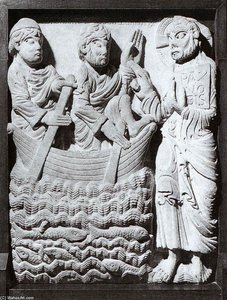
master of cabestany
1130 - 1180 , Italy
Quick Facts
- Artistic Movement Or Style: Romanesque
- Date Of Death: 1180
- Full Name: Master of Cabestany
- Nationality: Italian
- Notable Artworks:
- Christ Walking on the Water
- Sculptured column
- Place Of Birth: Italy

