

 Preview
 Send
Send Share
Share
 Details

 Download
 Similars
 X-Ray
X-Ray Diaporama
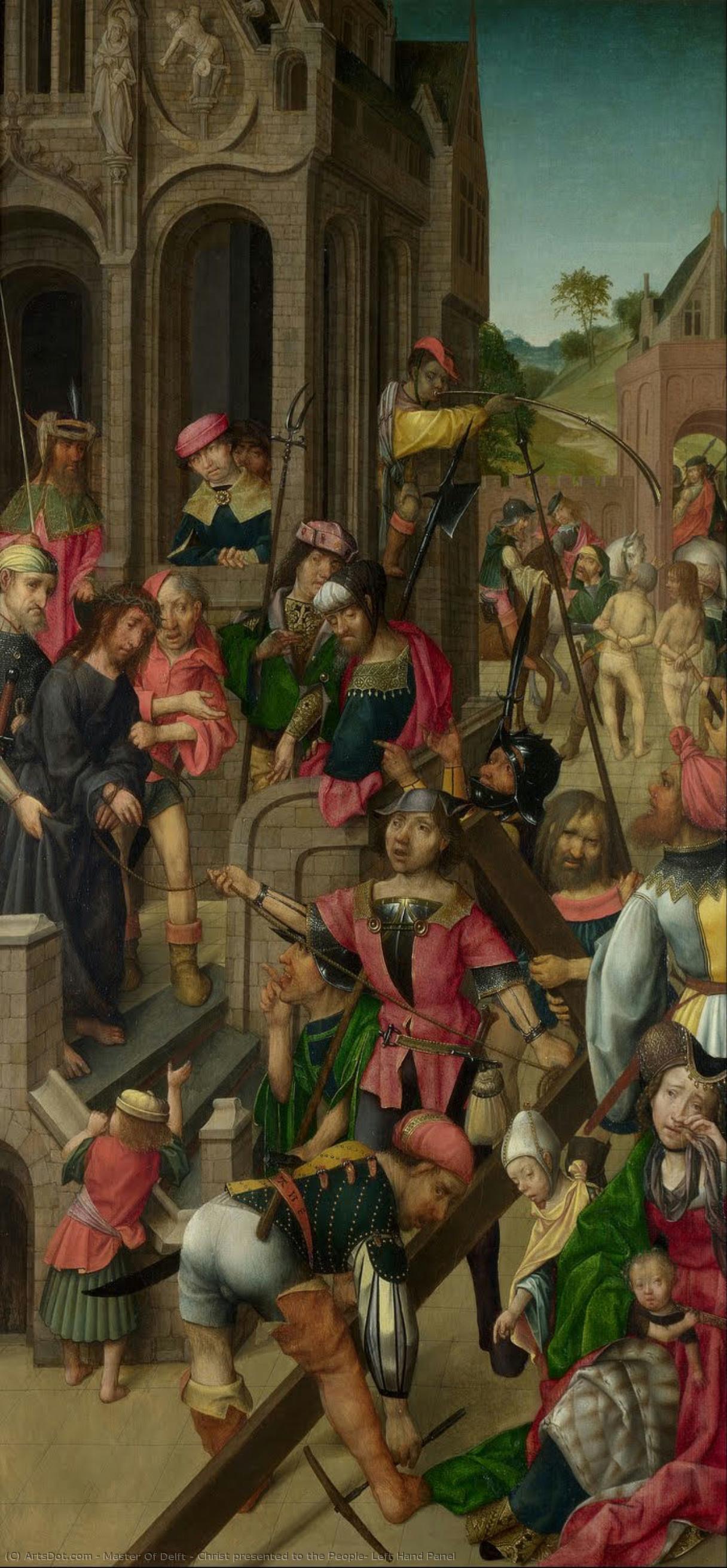
Christ presented to the People: Left Hand Panel
 Oil On Canvas
- WallArt
- Early Netherlandish Painting
 1510
1510 102.0 x 49.0 cm
 National Gallery
 Read More
Purchase a high-resolution, enhanced digital image, far superior to the online preview.
Each file is meticulously prepared by our in-house specialists using advanced tools and expert manual retouching. We ensure every image has exceptional clarity, precise color accuracy, and fine detail.
The final file is delivered via email within 72 hours, optimized for immediate use in professional, editorial, and print environments. This is the same quality trusted by top-tier design studios, publishers, and galleries.
Digital Image
Download a high-resolution file for personal display, printing, and creative projects. ( Buy Print Buy Hand Made Painting)
Included in Every Digital Image Order
Expert Digital Delivery, Guaranteed
When you choose ArtsDot.com, you're not just getting an image - you're receiving a professionally enhanced digital artwork, crafted with precision and backed by a satisfaction guarantee. Here's everything that comes with your order, automatically:

Fast Email Delivery
Your high-resolution digital image file will be emailed to you within 72 hours of ordering - ready for immediate use.

AI-Enhanced Digital File
Your artwork is professionally optimized using advanced AI tools and manual editing, ensuring maximum detail, clarity, and color accuracy.

Free Lifetime Re-Delivery
Accidentally deleted or lost your file? No worries - we'll resend it to you anytime, free of charge.

No Import Fees - Ever
Enjoy your artwork instantly with zero customs, duties, or delivery fees - digital downloads are always tax-free.

Color Accuracy Guarantee
We ensure your digital image reflects the original colors as closely as possible using professional tools and color management.

60-Day Satisfaction Guarantee
If you're not satisfied with your digital image, we'll revise it or refund 100% within 60 days - no questions asked.

100% Money-Back Guarantee
Not satisfied? Get a full refund within 60 days of receiving your digital file - no questions asked.

Bulk Order Discounts
Buy 3 images, save 10% - Buy 5, save 15% - Buy 10+, save 20%. Great for creative projects, galleries, and agencies.
Collectible Description
A Moment Frozen in Time: The Left Hand Panel of Christ Presented to the People
The world of early Netherlandish painting is often characterized by an almost unsettling stillness—a deliberate slowing down of time, inviting the viewer into a contemplative space. Within this tradition resides the “Master of Delft,” a largely anonymous figure whose work, particularly his series depicting the Passion of Christ, continues to captivate with its meticulous detail and profound emotional resonance. The left-hand panel of *Christ Presented to the People*, housed within the National Gallery in London, is arguably the pinnacle of this artist’s oeuvre—a breathtakingly intimate portrayal of a pivotal moment in Christian narrative. Painted around 1510, it's not merely a depiction of an event; it’s a carefully constructed tableau designed to evoke both awe and sorrow, offering a glimpse into the beliefs and sensibilities of its time. The scene unfolds with remarkable clarity. Christ, his face etched with suffering yet radiating an undeniable serenity, is presented to a throng of onlookers. His hands are bound, bearing the marks of Roman scourging, while a crown of thorns presses against his brow—visual reminders of his impending sacrifice. The composition isn’t grand or dramatic in scale; rather, it's remarkably intimate, drawing us close to this agonizing moment. Notice how the artist masterfully uses light and shadow – a technique inherited from the Flemish masters – to sculpt Christ’s form, emphasizing his vulnerability and humanity. The figures surrounding him are rendered with astonishing realism: soldiers preparing the cross, a weeping woman clutching her child, and a diverse crowd reflecting the social fabric of that era. The attention to detail is extraordinary—from the folds of their garments to the expressions on their faces—each element contributing to the overall sense of immediacy and authenticity. The historical context surrounding this painting is equally compelling. Delft in 1510 was a thriving center of trade and craftsmanship, deeply influenced by the artistic currents flowing from Bruges and Antwerp. The Master of Delft skillfully blended these influences with his own distinctive style—characterized by a remarkable precision and an almost photographic quality to his depictions. He wasn’t simply copying reality; he was actively shaping it, imbuing it with symbolic meaning and emotional depth. The inclusion of the New Church tower in the background is particularly noteworthy – a subtle nod to Delft itself, anchoring the scene within its urban landscape. This detail suggests that the painting wasn't merely an abstract theological meditation but also a reflection on the community’s identity and faith.- Technique: Oil paint on oak panel
- Dimensions: 102.2 x 49.3 cm
- Style: Early Netherlandish, characterized by meticulous detail, realistic depiction, and masterful use of light and shadow.
Symbolism Woven into the Fabric of the Scene
Beyond its technical brilliance, *Christ Presented to the People* is rich in symbolic meaning. The act of presenting Christ to the people represents more than just a historical event; it’s a profound statement about humanity's relationship with divinity. The crowd’s diverse representation—soldiers, women, children, and even criminals – symbolizes the universality of Christ’s sacrifice. It suggests that salvation is offered to all, regardless of social status or moral standing. The weeping woman and child are particularly poignant symbols of grief and compassion, highlighting the emotional impact of Christ's suffering. The figures on either side of Christ—a man holding a shield and another bearing a bowl – remain somewhat enigmatic, prompting ongoing scholarly debate about their identities. Some scholars believe they represent key figures from Delft’s history, while others suggest they embody abstract concepts such as justice and mercy. Regardless of their precise meaning, these secondary figures add layers of complexity to the scene, enriching its symbolic resonance. The inclusion of the Virgin and Child on the reverse panel, rendered in a style reminiscent of sculpted stone, further reinforces the theme of divine grace and protection. Further Research:**- Art UK: A comprehensive overview of the painting, including historical context and scholarly analysis.
- National Gallery Website: Detailed information about the painting’s provenance, condition, and conservation history.
- Google Arts & Culture: Interactive exploration of the painting, including high-resolution images and virtual tours.
A Timeless Masterpiece for the Home
Reproductions of *Christ Presented to the People* capture the essence of this extraordinary work, bringing its profound beauty and symbolic depth into any setting. Whether adorning a grand salon or a smaller study, this painting serves as a powerful reminder of humanity’s capacity for both suffering and redemption. The Master of Delft's meticulous attention to detail, combined with his masterful use of light and shadow, creates an image that is both visually stunning and emotionally resonant—a timeless masterpiece that continues to inspire contemplation and reflection centuries after its creation. Consider commissioning a hand-painted reproduction – a truly unique way to bring this iconic work into your home and celebrate the enduring legacy of the Master of Delft.Related Artworks
Artist Biography
The Enigmatic Shadow of the Netherlands
In the annals of art history, some names shine with the brilliance of a sun, while others linger like a soft, evocative mist over a Dutch landscape. The Master of Delft belongs to this latter, more mysterious category. An anonymous hand from the twilight of Early Netherlandish painting, this artist’s true identity remains lost to time, leaving behind only a trail of exquisite devotion and meticulously rendered scenes. Emerging around 1470, this painter operated during a transformative era in the Netherlands, a period where the rigid structures of the Middle Ages were beginning to soften into the nuanced realism of the Renaissance. Though we cannot know his birth name, his presence is felt through the profound spiritual depth and technical precision found in his surviving panels.
The very moniker used to identify him was bestowed much later, in 1913, by the renowned scholar Max Jakob Friedländer. This designation arose from the artist's connection to the city of Delft, a bond suggested by the inclusion of specific architectural landmarks within his compositions. Most notably, the silhouette of the Nieuwe Kerk tower, completed in 1496, appears in the background of his works, anchoring his spiritual visions to a tangible, earthly location. This connection suggests an artist deeply rooted in the civic and religious life of Delft, perhaps even painting for the local elite, such as the identifiable family of Burgomaster Dirck Dircksz van Beest Heemskerck.
A Mastery of Devotion and Detail
The work of the Master of Delft is characterized by a breathtaking synthesis of oil on panel and tempera, a medium that allowed for a luminous, layered effect. His oeuvre is primarily defined by religious narratives, often presented in the intimate format of triptychs. These works were not merely decorations but windows into the divine, designed to facilitate prayer and contemplation. In his hands, the sacred stories of the Passion of Christ become visceral and immediate. His masterpiece, the Crucifixion triptych housed in the National Gallery, London, serves as a testament to his ability to weave complex iconography with a sense of profound human emotion.
Beyond the central religious figures, the artist possessed a remarkable talent for creating secondary worlds. His paintings often feature:
- Richly described landscapes: While frequently relegated to the background, these vistas are far from mere scenery; they are atmospheric environments that provide a sense of scale and serenity.
- Complex Illusionism: A sophisticated use of perspective and light that draws the viewer into the sacred space.
- Intricate Iconography: Every element, from a specific flower to a distant tower, carries a symbolic weight intended to deepen the theological narrative.
His technique was also heavily informed by the burgeoning print culture of the time. By incorporating details borrowed from contemporary engravings, he was able to bring a sense of modern, international style to his local commissions. This ability to blend the traditional Flemish style with the evolving visual language of the 16th century allowed his work to remain both timeless and cutting-edge for his era.
Legacy and the Thread of Continuity
While the Master of Delft may be an anonymous figure, his artistic DNA is woven into the very fabric of Dutch art history. The meticulous attention to light, the atmospheric landscapes, and the ability to find the extraordinary within the ordinary laid a foundation upon which later masters would build. One can trace a spiritual lineage from his quiet, devotional panels to the sweeping, light-drenched masterpieces of Johannes Vermeer and Rembrandt van Rijn. The preoccupation with texture, the subtle interplay of shadow, and the profound sense of place all echo through the centuries.
The historical significance of the Master of Delft lies in his role as a bridge between the late Gothic tradition and the dawn of the Dutch Golden Age. He represents a moment in history when art was transitioning from purely symbolic representations to a more observational, humanistic approach. Though he remains a shadow in the historical record, his brushstrokes continue to speak, offering us a glimpse into the soul of 16th-century Delft and the enduring power of religious devotion expressed through unparalleled craftsmanship.
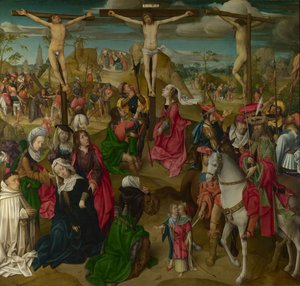
master of delft
Netherlands
Quick Facts
- Artistic Movement Or Style: World Goes Pop
- Artists Or Movements Influenced By This Artist: ['Influences include various pop art figures']
- Artists Who Influenced This Artist: ['Influenced by diverse artists within the World Goes Pop movement']
- Date Of Death: Living
- Notable Artworks: ['Various works featured in The World Goes Pop exhibition']
- Place Of Birth: WahooArt

