 Preview
 Send
Send Share
Share
 Details

 Download
 Similars
 X-Ray
X-Ray Diaporama
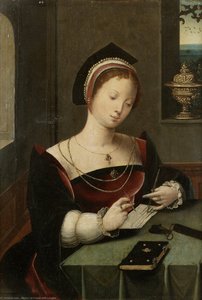
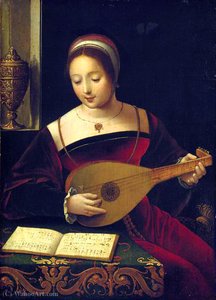
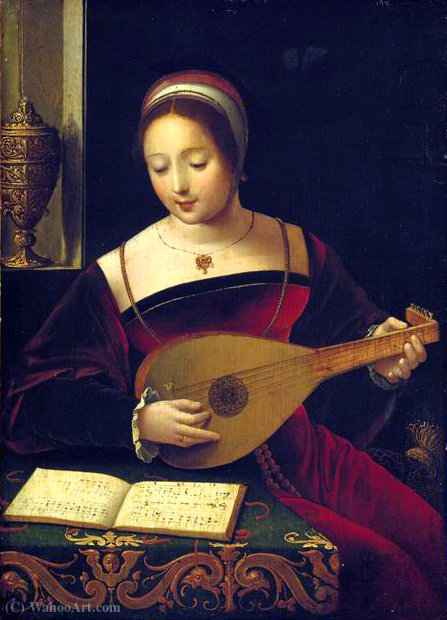
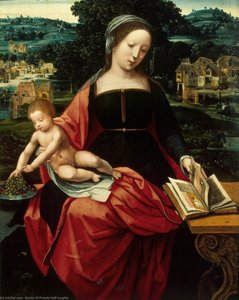
La luthiste'
 Read More
Hand Made Oil Reproduction
Hand-painted oil on canvas in your size and frame, made to order by our artists. ( Buy Print Buy Image)




































Pick from our preset sizes that match the artwork's original proportions.

You may enter your own dimensions to fit a specific frame or space. If your selected size does not match the original image's proportions, we will either crop the artwork or extend the painting with additional hand-painted elements. A digital mockup will be sent for your approval before production begins.
Please note that the on-screen preview does not reflect the actual cropping or extension. Only the mockup will accurately show the final composition.
While custom sizes are available, we recommend selecting a dimension from the predefined list to preserve the original proportions.
After order, ArtsDot.com team will email client for instructions and provide a mockup preview
Worldwide Delivery () in 3/4 weeks instead of standard 5 weeks. (22 August). No compromise on quality.

Free Worldwide Express Shipping

High-Quality Linen Canvas

Full Shipping Insurance

Customs Tax Refund Guarantee

True Color Matching Guarantee

60-Day Return Policy (Defects Only)

100% Money-Back Guarantee

Bulk Discount Offer
 Glass option is only available in size under 110 CM

La luthiste'
Reproduction Medium
Reproduction Size
-


Total Price
$ 263
Related Artworks








Artist Biography
The Enigmatic Master of the Female Half-Lengths
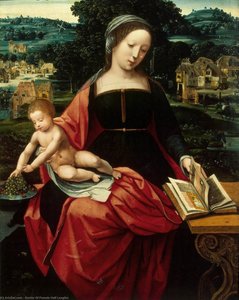
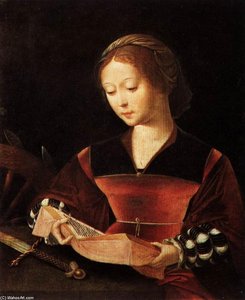
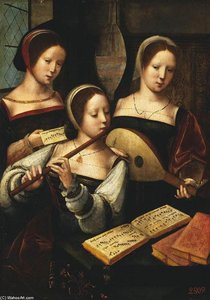
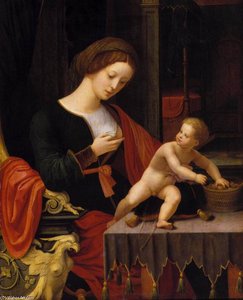
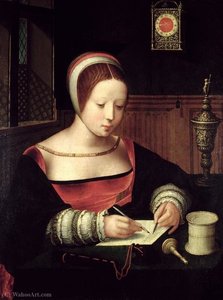
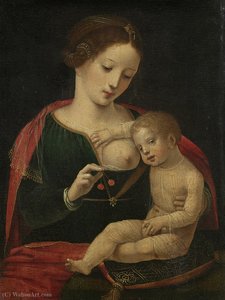
The identity of the “Master of the Female Half-Lengths” remains one of art history’s most enduring mysteries, a captivating puzzle that has occupied scholars for over a century. This elusive figure, or more accurately, this workshop of artists active in the Low Countries during the early sixteenth century, produced an astonishing body of work – currently numbering around 130 paintings – depicting aristocratic young women engaged in a variety of domestic and leisure activities. These intimate portraits, often rendered on small wooden panels, offer a unique glimpse into the social customs and artistic sensibilities of the Northern Renaissance, and their enduring appeal lies not only in their technical skill but also in the enigmatic beauty and serene grace of their subjects.
The genesis of this remarkable oeuvre is believed to have begun around 1520-1530, though the precise location and duration of the workshop’s activity remain uncertain. Antwerp, Bruges, Ghent, and Mechelen have all been proposed as potential centers of production, with estimates for the Master's active period ranging from the early to late sixteenth century. The works were primarily intended for export, reflecting the thriving trade networks that connected Flanders with Northern Europe and beyond. The sheer volume of paintings – a staggering 67 initially, now augmented by over forty more – suggests a highly organized workshop operation, producing art on a scale rarely seen in contemporary workshops.
A Portrait of an Era: Style and Technique
The defining characteristic of the Master’s work is undoubtedly its consistent depiction of young women presented at half-length. These figures are typically positioned within richly furnished interiors – often featuring dark wood paneling, tapestries, and glimpses of landscape through arched windows – or against neutral backgrounds that emphasize their delicate features. The compositions are remarkably balanced and symmetrical, reflecting a desire for order and harmony. The palette is restrained, dominated by muted earth tones—browns, ochres, and greys—creating an atmosphere of quiet contemplation.
Technically, the Master demonstrated considerable skill in rendering fabrics, textures, and subtle gradations of light and shadow. The faces of the women are remarkably consistent, characterized by heart-shaped features, gentle expressions, and a captivating serenity. A recurring motif is the inclusion of an ointment jar – a symbol often associated with Mary Magdalene – suggesting a connection to religious iconography while simultaneously elevating the status of these young ladies.
Influences and Artistic Connections
Pinpointing the Master’s specific influences remains a complex challenge, but several artistic connections have been identified. The works share affinities with the portraiture of Bernard van Orley in Paris, particularly in their emphasis on elegant attire and refined manners. Furthermore, there is evidence of influence from Joachim Patinir, whose landscapes—characterized by atmospheric perspective and meticulous detail—provided a crucial backdrop for many of the Master’s scenes. The workshop's style also echoes that of Adriaen Isenbrant, another prominent Bruges painter known for his depictions of female figures in domestic settings.
However, it is important to note that the Master’s work possesses a distinct originality and a unique sensibility that transcends simple imitation. The figures are not merely copies of fashionable models; they embody an idealized vision of young womanhood—a blend of innocence, grace, and quiet intelligence. The consistent features across the paintings suggest a deliberate effort to create a recognizable type, reflecting a shared artistic concept within the workshop.
Identification and Legacy
Despite extensive research and scholarly debate, the Master’s true identity remains elusive. Otto Benesch proposed that Jan or Hans Vereycke of Bruges might be responsible for the work, but this theory has not gained universal acceptance. The lack of a clear patron or destination point for these paintings—suggesting a production aimed primarily at the open market—further complicates the identification process.
Regardless of their individual identity, the Master of the Female Half-Lengths left an indelible mark on Northern Renaissance art. Their captivating portraits continue to fascinate viewers with their serene beauty and timeless appeal. The workshop’s prolific output provides a remarkable window into the social customs, artistic trends, and aesthetic values of a pivotal era in European history. The mystery surrounding the Master's identity only adds to the enduring allure of this enigmatic artist and their extraordinary body of work.
master of female half lengths
Netherlands
Quick Facts
- Artistic Movement Or Style: Northern Renaissance
- Artists Or Movements Influenced By This Artist: ['Bernard van Orley']
- Artists Who Influenced This Artist: ['Joachim Patinir']
- Full Name: Master of the Female Half-Lengths
- Nationality: Flemish
- Notable Artworks:
- Madonna and Child
- Concert of Women
- St Catherine