 Preview
 Send
Send Share
Share
 Details

 Download
 Similars
 X-Ray
X-Ray Diaporama
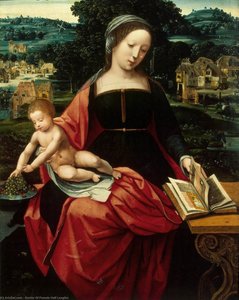
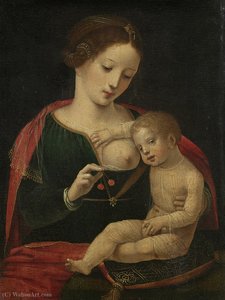
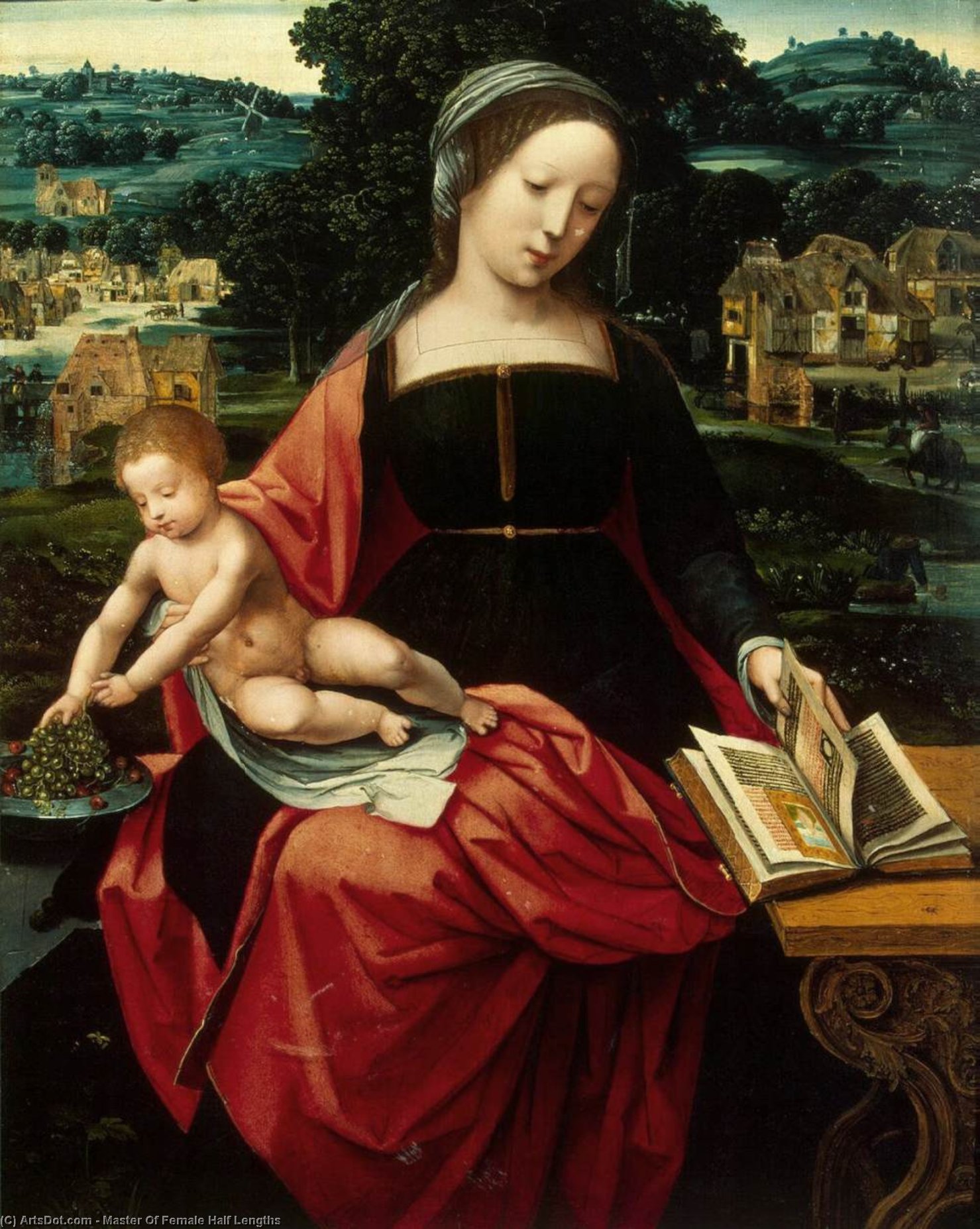
Madonna and Child
 Oil On Panel
- Northern Renaissance
 1530
1530- Renaissance
 53.0 x 42.0 cm
 Hermitage Museum
 Read More
Hand Made Oil Reproduction
Hand-painted oil on canvas in your size and frame, made to order by our artists. ( Buy Print Buy Image)




P118B $10

P118H $10

P118W $10

P438Z $10

P508JH $12

P508YH $12

P805H $10

P805Z $10

P919BZ $10

P919G $10

P919XJ $10

P959ZH $10

P968JZ $12

W106C $8

W218G $10

W218JH $8

W218Y $10

W307PJ $10

W316G $10

W316PJ $8

W316Y $10

W398PJ $8

W4111J $10

W500HY $15

W500JH $15

W692G $12

W849H $8

W940BG $15

W953PJ $8




Pick from our preset sizes that match the artwork's original proportions.

You may enter your own dimensions to fit a specific frame or space. If your selected size does not match the original image's proportions, we will either crop the artwork or extend the painting with additional hand-painted elements. A digital mockup will be sent for your approval before production begins.
Please note that the on-screen preview does not reflect the actual cropping or extension. Only the mockup will accurately show the final composition.
While custom sizes are available, we recommend selecting a dimension from the predefined list to preserve the original proportions.
After order, ArtsDot.com team will email client for instructions and provide a mockup preview
Worldwide Delivery () in 3/4 weeks instead of standard 5 weeks. (25 August). No compromise on quality.

Free Worldwide Express Shipping

High-Quality Linen Canvas

Full Shipping Insurance

Customs Tax Refund Guarantee

True Color Matching Guarantee

60-Day Return Policy (Defects Only)

100% Money-Back Guarantee

Bulk Discount Offer
 Glass option is only available in size under 110 CM

Madonna and Child
Reproduction Medium
Reproduction Size
-


Total Price
$ 263
Artwork Description
An Intimate Encounter with the Divine
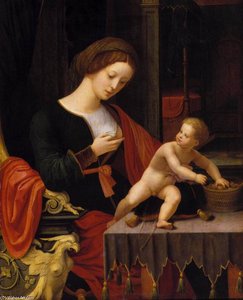
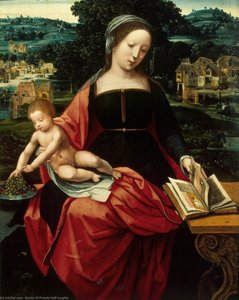
In the quiet, tender moments captured within this 1530 masterpiece, we find ourselves transported to the heart of the Northern Renaissance. The Madonna and Child is not merely a religious icon; it is a profound study of maternal intimacy and celestial grace. The composition centers on the Virgin Mary, draped in a striking black dress that contrasts with the deep, emotive red of her hood, creating a visual anchor that draws the eye immediately to her nurturing embrace. As she holds the infant Christ close to her chest, their shared gaze suggests a silent, sacred dialogue, inviting the viewer to witness a moment of profound connection that transcends time.
The painting breathes with a remarkable sense of life, extending far beyond the central figures. While the Madonna and Child command our devotion, the background unfolds into a lively, bustling tapestry of human activity. Figures populate the periphery, some resting on benches while others engage in the rhythmic motions of daily life, lending a sense of depth and movement to the scene. This juxtaposition of the eternal—the divine mother and child—against the ephemeral, busy world of the onlookers, creates a sophisticated narrative tension that has captivated collectors for centuries.
The Enigma of the Master’s Hand
The artistry behind this work is attributed to the Master of the Female Half-Lengths, an enigmatic figure (or perhaps a highly skilled workshop) whose identity remains one of the most tantalizing mysteries in art history. Active in the Low Countries during the early sixteenth century, this master specialized in capturing the serene beauty and aristocratic elegance of their subjects. In this particular piece, we see the hallmark of their technique: a meticulous attention to texture and a masterful use of light that gives the figures a palpable, three-dimensional presence.
The technical execution reflects the pinnacle of Netherlandish skill, where every fold of fabric and every subtle shift in shadow is rendered with precision. For the discerning collector or interior designer, this painting offers more than just aesthetic beauty; it provides a window into a vanished era of craftsmanship. The small-scale intimacy of the 53 x 42 cm panel allows for an intense, focused viewing experience, making it an ideal centerpiece for a curated gallery wall or a sophisticated study where one might seek moments of quiet contemplation.
A Timeless Addition to the Modern Interior
Integrating a high-quality reproduction of such a significant work into a contemporary space offers a unique opportunity to blend historical depth with modern elegance. The rich, somber tones of the Madonna’s attire and the vibrant warmth of the composition provide a sophisticated color palette that complements both classical and minimalist decor. Whether placed in a sunlit salon or a moody, library-style setting, this painting serves as a conversation piece that evokes emotion and stimulates intellectual curiosity.
To possess a reproduction of this caliber is to bring a fragment of the Northern Renaissance into the home. It is an investment in atmosphere, offering a sense of permanence and soul to any interior design project. The Madonna and Child stands as a testament to the enduring power of art to move the human spirit, making it an essential choice for those who seek to surround themselves with beauty that is both historically significant and emotionally resonant.
Related Artworks
Artist Biography
The Enigmatic Master of the Female Half-Lengths
The identity of the “Master of the Female Half-Lengths” remains one of art history’s most enduring mysteries, a captivating puzzle that has occupied scholars for over a century. This elusive figure, or more accurately, this workshop of artists active in the Low Countries during the early sixteenth century, produced an astonishing body of work – currently numbering around 130 paintings – depicting aristocratic young women engaged in a variety of domestic and leisure activities. These intimate portraits, often rendered on small wooden panels, offer a unique glimpse into the social customs and artistic sensibilities of the Northern Renaissance, and their enduring appeal lies not only in their technical skill but also in the enigmatic beauty and serene grace of their subjects.
The genesis of this remarkable oeuvre is believed to have begun around 1520-1530, though the precise location and duration of the workshop’s activity remain uncertain. Antwerp, Bruges, Ghent, and Mechelen have all been proposed as potential centers of production, with estimates for the Master's active period ranging from the early to late sixteenth century. The works were primarily intended for export, reflecting the thriving trade networks that connected Flanders with Northern Europe and beyond. The sheer volume of paintings – a staggering 67 initially, now augmented by over forty more – suggests a highly organized workshop operation, producing art on a scale rarely seen in contemporary workshops.
A Portrait of an Era: Style and Technique
The defining characteristic of the Master’s work is undoubtedly its consistent depiction of young women presented at half-length. These figures are typically positioned within richly furnished interiors – often featuring dark wood paneling, tapestries, and glimpses of landscape through arched windows – or against neutral backgrounds that emphasize their delicate features. The compositions are remarkably balanced and symmetrical, reflecting a desire for order and harmony. The palette is restrained, dominated by muted earth tones—browns, ochres, and greys—creating an atmosphere of quiet contemplation.
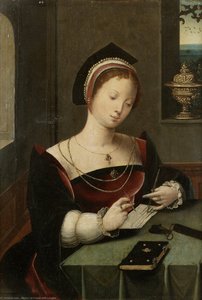
Technically, the Master demonstrated considerable skill in rendering fabrics, textures, and subtle gradations of light and shadow. The faces of the women are remarkably consistent, characterized by heart-shaped features, gentle expressions, and a captivating serenity. A recurring motif is the inclusion of an ointment jar – a symbol often associated with Mary Magdalene – suggesting a connection to religious iconography while simultaneously elevating the status of these young ladies.
Influences and Artistic Connections
Pinpointing the Master’s specific influences remains a complex challenge, but several artistic connections have been identified. The works share affinities with the portraiture of Bernard van Orley in Paris, particularly in their emphasis on elegant attire and refined manners. Furthermore, there is evidence of influence from Joachim Patinir, whose landscapes—characterized by atmospheric perspective and meticulous detail—provided a crucial backdrop for many of the Master’s scenes. The workshop's style also echoes that of Adriaen Isenbrant, another prominent Bruges painter known for his depictions of female figures in domestic settings.
However, it is important to note that the Master’s work possesses a distinct originality and a unique sensibility that transcends simple imitation. The figures are not merely copies of fashionable models; they embody an idealized vision of young womanhood—a blend of innocence, grace, and quiet intelligence. The consistent features across the paintings suggest a deliberate effort to create a recognizable type, reflecting a shared artistic concept within the workshop.
Identification and Legacy
Despite extensive research and scholarly debate, the Master’s true identity remains elusive. Otto Benesch proposed that Jan or Hans Vereycke of Bruges might be responsible for the work, but this theory has not gained universal acceptance. The lack of a clear patron or destination point for these paintings—suggesting a production aimed primarily at the open market—further complicates the identification process.
Regardless of their individual identity, the Master of the Female Half-Lengths left an indelible mark on Northern Renaissance art. Their captivating portraits continue to fascinate viewers with their serene beauty and timeless appeal. The workshop’s prolific output provides a remarkable window into the social customs, artistic trends, and aesthetic values of a pivotal era in European history. The mystery surrounding the Master's identity only adds to the enduring allure of this enigmatic artist and their extraordinary body of work.
master of female half lengths
Netherlands
Quick Facts
- Artistic Movement Or Style: Northern Renaissance
- Artists Or Movements Influenced By This Artist: ['Bernard van Orley']
- Artists Who Influenced This Artist: ['Joachim Patinir']
- Full Name: Master of the Female Half-Lengths
- Nationality: Flemish
- Notable Artworks:
- Madonna and Child
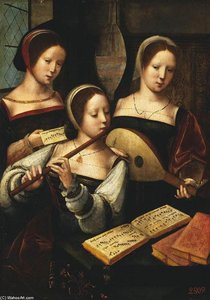
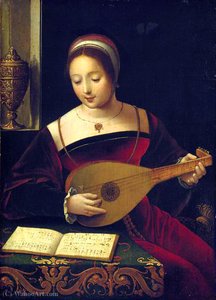
- Concert of Women
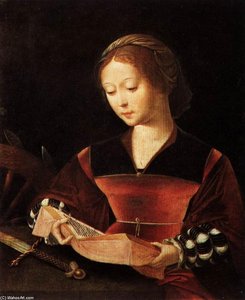
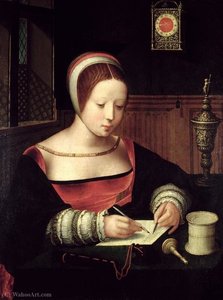
- St Catherine
Related Articles

Crimson Threads of Narrative: Exploring Symbolism & Representation in Artworks Featuring the Red Dress
Explore the rich symbolism of the red dress in art history! From ancient power displays to iconic portraits like Cézanne’s 'Madame Cezanne', discover the cultural and artistic significance behind this captivating color. Expert analysis & insights.

Dark Masterpieces: 10 Iconic Paintings Dominated by Black Tones |
Explore 10 iconic paintings dominated by black tones, from Rembrandt’s chiaroscuro to Goya's dark expressions. Discover the stories behind these masterpieces & find museum-quality art reproductions for your home at .

Mark Rothko's Masterpieces: 25 Paintings That Define Abstract Expressionism | ArtsDot
Explore 25 iconic Mark Rothko paintings that define Abstract Expressionism. Discover the stories, colors & emotions behind these masterpieces. Find museum-quality art reproductions and curated decor ideas at ArtsDot.com.
Raphael's Masterpieces: 25 Iconic Paintings & Renaissance Art for Your Home
Explore 25 breathtaking Raphael paintings! Journey through the Italian Renaissance with masterpieces like 'School of Athens' & iconic Madonnas. Find museum-quality art reproductions and elevate your home decor on ArtsDot.com.
Mars Black Masterpieces: 10 Iconic Paintings & Timeless Art Decor Ideas
Delve into the power of 'Mars Black' with 10 iconic paintings by masters like Rembrandt & Caravaggio. Explore dramatic chiaroscuro, gothic art, and timeless beauty. Find museum-quality reproductions & elevate your home decor on .