 Preview
 Send
Send Share
Share
 Details

 Download
 Similars
 X-Ray
X-Ray Diaporama
(169 x 213 CM) (1520)
 Read More
Giclée / Art Print
Museum-quality giclée or canvas print with fast production and flexible finish options. ( Buy Hand Made Painting Buy Image)




































Pick from our preset sizes that match the artwork's original proportions.

You may enter your own dimensions to fit a specific frame or space. If your selected size does not match the original image's proportions, we will either crop the artwork or extend the image with a mirrored or solid-fill edge. A digital mockup will be sent for your approval before production begins.
Please note that the on-screen preview does not reflect the actual cropping or extension. Only the mockup will accurately show the final composition.
While custom sizes are available, we recommend selecting a dimension from the predefined list to preserve the original proportions.
Worldwide Delivery () in 2 weeks instead of standard 4/5 weeks. (17 August)

Free Worldwide Express Shipping

High-Quality Linen Canvas

Full Shipping Insurance

Customs Tax Refund Guarantee

True Color Matching Guarantee

60-Day Return Policy (Defects Only)

100% Money-Back Guarantee

Bulk Discount Offer
 Glass option is only available in size under 110 CM

(169 x 213 CM) (1520)
Giclée / Art Print
Reproduction Size
-


Total Price
$ 63
Related Artworks
Artist Biography
The Enigmatic World of the Master of Frankfurt
The ‘Master of Frankfurt’ remains one of the most compelling and elusive figures in early Netherlandish painting. Unlike many artists of his time, a concrete biographical record stubbornly resists discovery. We know him not through signed portraits or documented commissions, but rather through a distinctive body of work – approximately twenty surviving paintings that reveal a singular artistic vision steeped in religious fervor, intricate detail, and a touch of the fantastical. His very name is an attribution derived from the frequent presence of Frankfurt cityscapes within his compositions, suggesting a strong connection to this important mercantile center during the 16th century. While the precise identity of the artist continues to be debated among scholars, the power and originality of his paintings have secured his place as a significant contributor to the Northern Renaissance.A Style Forged in Religious Devotion
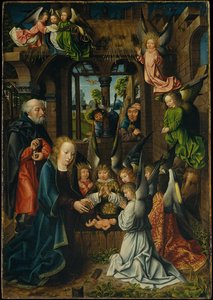
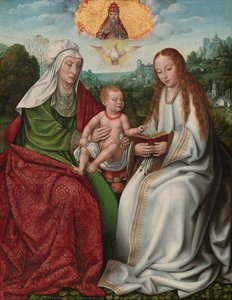
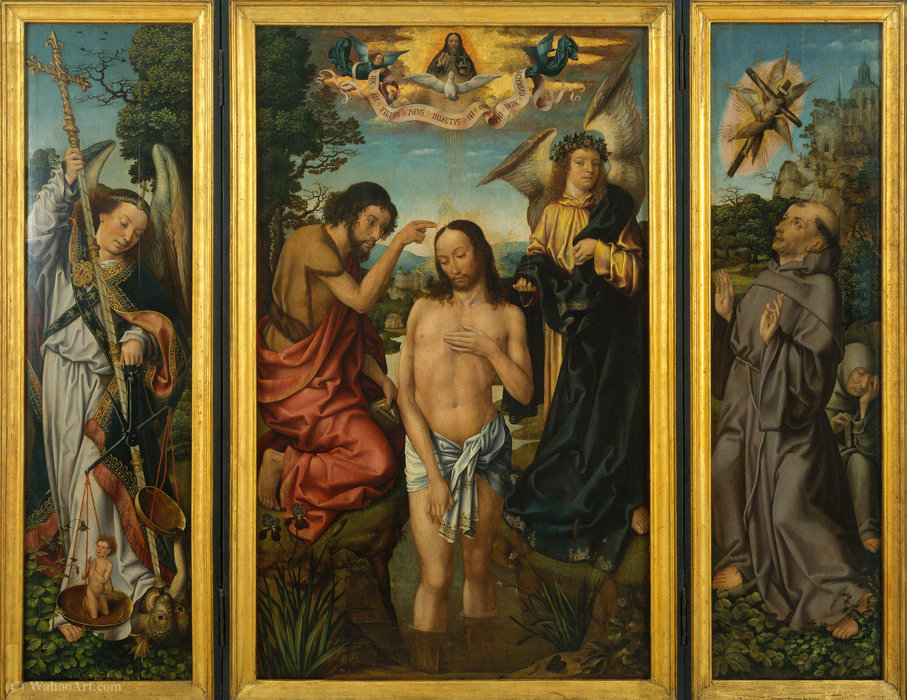
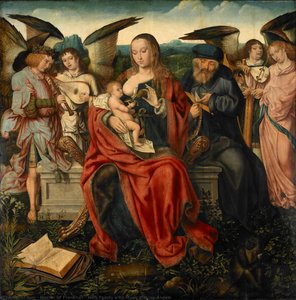
The Master of Frankfurt’s artistic style is immediately recognizable. He specialized almost exclusively in religious scenes, particularly depictions of the Holy Family – the Virgin Mary, Joseph, and the infant Christ. These are not grand, sweeping narratives, however; instead, they focus on intimate moments of domestic life within a meticulously rendered interior setting. His paintings often feature multiple figures crowded into relatively small spaces, creating a sense of closeness and immediacy that draws the viewer directly into the sacred drama unfolding before them. A hallmark of his work is the inclusion of detailed architectural backgrounds, frequently showcasing recognizable views of Frankfurt, which served not merely as decorative elements but also as anchors to the contemporary world, grounding the spiritual narrative in a tangible reality. The artist’s palette favors rich, saturated colors – deep reds, blues, and golds – applied with a remarkable precision that highlights the textures of fabrics, skin, and objects.Influences and Artistic Lineage
Pinpointing the Master of Frankfurt's artistic influences is a complex undertaking given the limited information available about his training. However, scholars generally agree that he was deeply influenced by the Delft School, particularly the work of painters like Jan van der Heyden and Hans Vredeman de Vries. This influence is evident in his meticulous attention to perspective, architectural detail, and the use of light and shadow to create a sense of depth and realism. Furthermore, echoes of Geertgen tot Sint Jans’s serene piety and compositional clarity can be detected in his depictions of the Holy Family. It's also plausible that he absorbed elements from the broader artistic milieu of the Rhineland, known for its tradition of devotional painting and woodcarving. He doesn’t simply imitate these influences; rather, he synthesizes them into a unique style characterized by an unusual blend of realism, emotional intensity, and symbolic complexity.Symbolism Woven into Everyday Life
The Master of Frankfurt was not merely a skilled craftsman but also a sophisticated visual storyteller. His paintings are replete with symbolism, often subtly embedded within the seemingly ordinary details of everyday life. Objects, gestures, and even architectural elements carry layers of meaning that enrich the religious narrative. For example, the inclusion of specific flowers or fruits might allude to virtues or theological concepts. The careful arrangement of figures and objects within the composition is also deliberate, guiding the viewer’s eye towards key symbolic motifs. The artist's use of light, often emanating from a hidden source, serves not only to illuminate the scene but also to represent divine grace and spiritual enlightenment. Deciphering these layers of symbolism requires careful observation and an understanding of contemporary religious beliefs and iconography.Historical Significance and Lasting Legacy
Despite the anonymity surrounding his life, the Master of Frankfurt’s work holds a significant place in art history. He represents a fascinating example of a regional painter who developed a highly individual style within the broader context of the Northern Renaissance. His paintings offer valuable insights into the religious sensibilities of 16th-century Germany and the role of art in fostering personal devotion.- His meticulous realism and attention to detail influenced subsequent generations of painters.
- The inclusion of recognizable cityscapes provides a unique glimpse into the urban landscape of Frankfurt during this period.
- His focus on intimate scenes of the Holy Family resonated with contemporary audiences seeking a more personal connection to religious narratives.
Quick Facts
- Artistic Movement Or Style: Early Netherlandish
- Date Of Death: Living
- Full Name: Master of Frankfurt
- Notable Artworks: ['Holy Family Paintings']