 Preview
 Send
Send Share
Share
 Details

 Download
 Similars
 X-Ray
X-Ray Diaporama
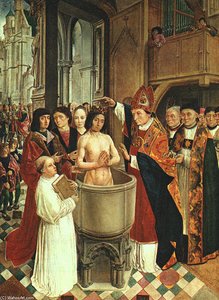
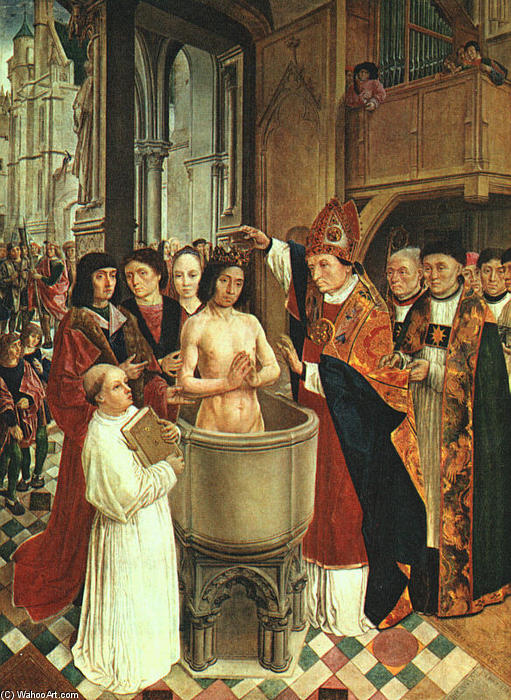
The Baptism of Clovis


 Read More
Giclée / Art Print
Museum-quality giclée or canvas print with fast production and flexible finish options. ( Buy Hand Made Painting Buy Image)




































Pick from our preset sizes that match the artwork's original proportions.

You may enter your own dimensions to fit a specific frame or space. If your selected size does not match the original image's proportions, we will either crop the artwork or extend the image with a mirrored or solid-fill edge. A digital mockup will be sent for your approval before production begins.
Please note that the on-screen preview does not reflect the actual cropping or extension. Only the mockup will accurately show the final composition.
While custom sizes are available, we recommend selecting a dimension from the predefined list to preserve the original proportions.
Worldwide Delivery () in 2 weeks instead of standard 4/5 weeks. (23 August)

Free Worldwide Express Shipping

High-Quality Linen Canvas

Full Shipping Insurance

Customs Tax Refund Guarantee

True Color Matching Guarantee

60-Day Return Policy (Defects Only)

100% Money-Back Guarantee

Bulk Discount Offer
 Glass option is only available in size under 110 CM

The Baptism of Clovis
Giclée / Art Print
Reproduction Size
-


Total Price
$ 63
Related Artworks







Artist Biography
Master of Saint Gilles: A Visionary of Medieval Religious Art
The Master of Saint Gilles, whose true identity remains shrouded in mystery despite extensive scholarly research, stands as a pivotal figure in the artistic landscape of 13th-century France. Primarily recognized for his monumental altarpiece panels depicting episodes from the life of Saint Gilles—a Benedictine monk venerated for his miraculous healing powers and unwavering devotion—he embodies the spirit of Hospitaller art, reflecting the piety and grandeur of the Order that commissioned these ambitious projects. While biographical details are scarce, circumstantial evidence suggests he was active in Amiens Cathedral during the episcopate of Bishop Fulcher II (1235-1264), marking him as one of the most important artists of his time.- Early Life and Training: Precise information about his birthdate and formative years is elusive. However, stylistic analysis indicates he honed his skills in Paris during the reign of Louis IX (Saint Louis), absorbing influences from Byzantine iconography and Provençal lyricism—traditions that would profoundly shape his artistic vision.
- The Saint Gilles Altarpiece: The centerpiece of his oeuvre, the Saint Gilles altarpiece at Amiens Cathedral remains an unparalleled achievement of medieval art. Executed around 1260-1270, it comprises six panels illustrating key moments in Saint Gilles’s life—his ordination, pilgrimage to Jerusalem, miraculous healing of a poisoned chalice, and his martyrdom—each imbued with meticulous detail and vibrant color palettes characteristic of the Amiens School.
- Technique and Style: The Master's distinctive style is characterized by a masterful blend of realism and symbolic representation. He employed tempera paint on wood panels, utilizing glazing techniques to achieve luminous effects that rival those of Byzantine mosaics. His compositions are carefully balanced, conveying profound spiritual emotion through expressive gestures and nuanced facial expressions.
- Influence and Legacy: The Saint Gilles altarpiece exerted considerable influence on subsequent artists across Europe, establishing a precedent for monumental religious narratives rendered with exceptional artistic skill. It exemplifies the zenith of Hospitaller art—a genre devoted to glorifying God and commemorating saints—and continues to inspire admiration for its beauty and theological depth.
Notable Works Beyond Saint Gilles
Beyond his magnum opus, the Master produced several other significant paintings that demonstrate his versatility and artistic prowess. Although fewer in number than his monumental altarpiece panels, these works offer valuable insights into his stylistic evolution and broader artistic interests. Among them are:- Virgin and Child with a Dragonfly – This exquisite depiction of Mary holding the infant Jesus is housed at The Metropolitan Museum of Art in New York City. Its serene composition and delicate rendering of drapery exemplify the Master’s mastery of color and texture.
Historical Context: The Hospitaller Order and Artistic Patronage
The Master's artistic activity coincided with a period of fervent religious fervor within France, fueled by papal crusades and the growing prestige of monastic institutions. The Hospitaller Order—dedicated to Saint John of Jerusalem—played a crucial role in fostering artistic innovation through generous patronage. Bishops Fulcher II and Jean d’Auxerre actively supported artists like the Master, commissioning ambitious projects that served both liturgical needs and didactic purposes. This environment encouraged experimentation with new techniques and stylistic conventions, resulting in a flourishing artistic tradition that celebrated Christian faith and commemorated saints—a legacy that continues to resonate today.Concluding Thoughts: An Artist of Enduring Significance
Despite the lack of biographical certainty surrounding his life, the Master of Saint Gilles remains an artist of enduring significance. His monumental altarpiece panels at Amiens Cathedral stand as testaments to the artistic brilliance of the 13th century—a period marked by profound spiritual transformation and unparalleled creative achievement. Through his masterful depiction of religious narratives and his innovative use of tempera paint, he elevated medieval art to new heights of beauty and expressive power, securing his place among the most influential figures in European art history.
Quick Facts
- Artistic Movement Or Style: Early Gothic
- Artists Or Movements Influenced By This Artist: ['Saint Gilles']
- Artists Who Influenced This Artist: ['Jean Mabille']
- Full Name: Hugo von Tschudi
- Nationality: Austrian
- Notable Artworks: ['St. Gilles & the Hind']
- Place Of Birth: Vienna