 Preview
 Send
Send Share
Share
 Details

 Download
 Similars
 X-Ray
X-Ray Diaporama
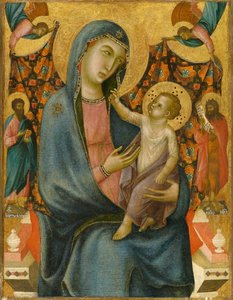
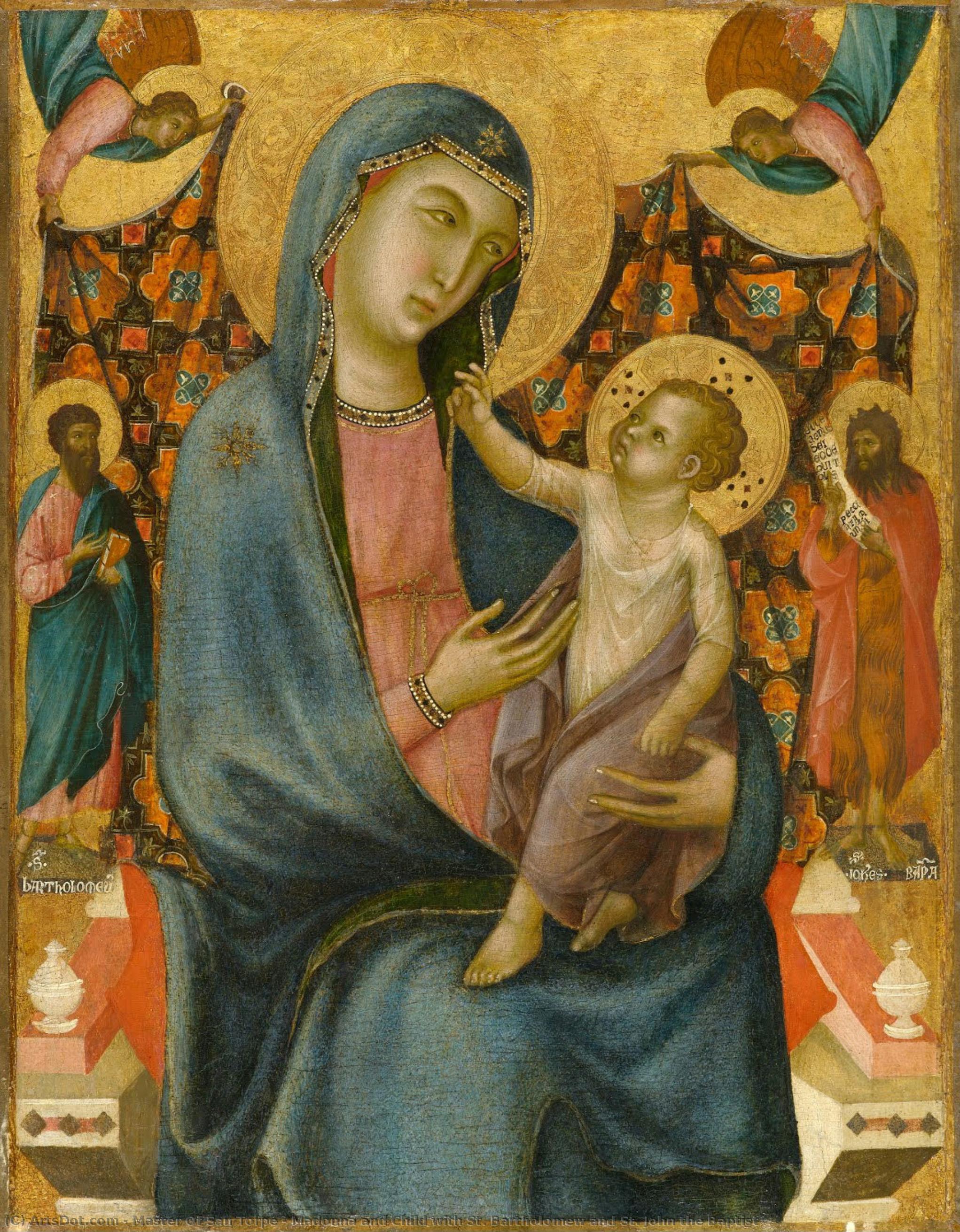
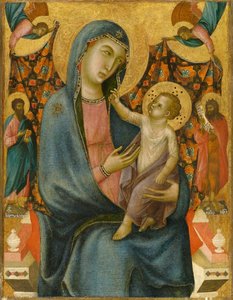
Madonna and Child with St. Bartholomew and St. John the Baptist
 39.0 x 50.0 cm
 Read More
Hand Made Oil Reproduction
Hand-painted oil on canvas in your size and frame, made to order by our artists. ( Buy Print Buy Image)




































Pick from our preset sizes that match the artwork's original proportions.

You may enter your own dimensions to fit a specific frame or space. If your selected size does not match the original image's proportions, we will either crop the artwork or extend the painting with additional hand-painted elements. A digital mockup will be sent for your approval before production begins.
Please note that the on-screen preview does not reflect the actual cropping or extension. Only the mockup will accurately show the final composition.
While custom sizes are available, we recommend selecting a dimension from the predefined list to preserve the original proportions.
After order, ArtsDot.com team will email client for instructions and provide a mockup preview
Worldwide Delivery () in 3/4 weeks instead of standard 5 weeks. (1 September). No compromise on quality.

Free Worldwide Express Shipping

High-Quality Linen Canvas

Full Shipping Insurance

Customs Tax Refund Guarantee

True Color Matching Guarantee

60-Day Return Policy (Defects Only)

100% Money-Back Guarantee

Bulk Discount Offer
 Glass option is only available in size under 110 CM

Madonna and Child with St. Bartholomew and St. John the Baptist
Reproduction Medium
Reproduction Size
-


Total Price
$ 263
Related Artworks





Artist Biography
The Master of San Torpé: An Anonymous Gothic Visionary
The identity of the “Master of San Torpé,” a prolific Venetian painter active in the fourteenth century, remains shrouded in mystery—a deliberate obscurity that lends an aura of enigma to his remarkable oeuvre. While scholars debate whether he hailed from Pisa or Siena, one certainty prevails: he stands as a pivotal figure in Gothic art’s Venetian incarnation.
Evelyn Sandberg-Vavalà meticulously reconstructed the artist's artistic lineage, christening him after an altarpiece housed within the church of San Torpé, Pisa—a testament to his formative years spent absorbing the stylistic innovations emanating from Duccio and Guido da Siena. These influences clearly permeate his canvases, demonstrating a profound connection to the broader artistic currents shaping Tuscany during that era.
The attribution of several paintings to this unnamed master is bolstered by Federico Zeri’s groundbreaking research, establishing him as a cornerstone of Venetian Gothic art. Notably, a pair of panels—discovered in 1937—were initially identified through Sandberg-Vavalà's meticulous analysis and subsequently confirmed by Zeri’s scholarly scrutiny.
These panels depict Saint Bartholomew and Saint John the Baptist alongside Madonna and Child, showcasing a masterful blend of Byzantine iconography and Venetian artistic sensibilities. The composition is characterized by solemn grandeur, reflecting the spiritual fervor prevalent in fourteenth-century Venice—a period marked by fervent piety and an unwavering devotion to religious imagery.
A detailed examination of his stylistic techniques reveals a preoccupation with meticulous detail and luminous color palettes—characteristics emblematic of Gothic art’s pursuit of emotional resonance. The artist skillfully employs glazing techniques, layering translucent pigments upon opaque grounds to achieve breathtaking visual effects that capture the ethereal beauty of sacred subjects.
Notable Works & Artistic Legacy
- Madonna and Child with Saint Bartholomew and Saint John the Baptist: This iconic depiction exemplifies the artist’s mastery of Byzantine influences, demonstrating a profound understanding of compositional principles and expressive color harmonies. Its serene beauty continues to captivate viewers centuries later.
- San Silvestro: Located in Venice's San Silvestro church, this monumental fresco embodies Venetian Gothic grandeur—a testament to the artist’s ambition and technical prowess.
- The Last Judgment: Considered one of Tintoretto’s most dramatic masterpieces, it showcases his unparalleled ability to convey emotion through dynamic movement and theatrical lighting.
Influences & Artistic Development
The Master of San Torpé's artistic development was undoubtedly shaped by the prevailing stylistic trends of his time—particularly the legacy of Duccio and Guido da Siena. However, he transcended mere imitation, forging a distinctive visual language that reflected his own intellectual curiosity and spiritual convictions.
His unwavering commitment to craftsmanship—evident in the meticulous execution of every brushstroke—underscores his belief in the transformative power of art as a vehicle for conveying profound theological ideas. He sought not merely to represent religious figures but to evoke their essence, capturing their spiritual dignity and emotional depth.
Historical Significance & Enduring Influence
Despite the anonymity surrounding his life and career, the Master of San Torpé’s contribution to Venetian Gothic art remains undeniable—a cornerstone of Renaissance artistic heritage. His paintings continue to inspire artists and scholars alike, serving as a reminder of the enduring beauty and spiritual significance of medieval Christian iconography.
master of san torpé
Italy
Quick Facts
- Artistic Movement Or Style: Gothic Style
- Artists Or Movements Influenced By This Artist: ['Tintoretto']
- Artists Who Influenced This Artist:
- Duccio
- Guido da Siena
- Full Name: Master of San Torpé
- Nationality: Italian
- Notable Artworks: ['Madonna and Child with St. Bartholomew and St. John the Baptist']
- Place Of Birth: Italy