 Preview
 Send
Send Share
Share
 Details

 Download
 Similars
 X-Ray
X-Ray Diaporama
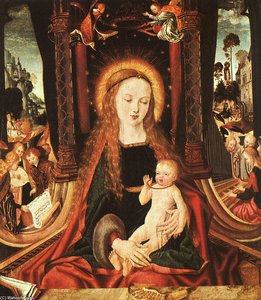
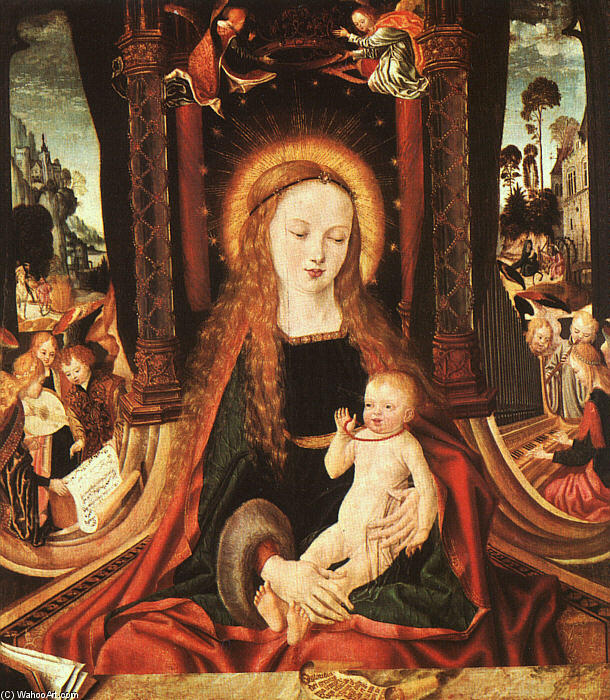
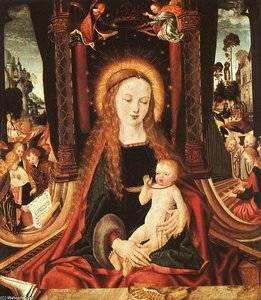
Madonna and Child


 Read More
Giclée / Art Print
Museum-quality giclée or canvas print with fast production and flexible finish options. ( Buy Hand Made Painting Buy Image)




































Pick from our preset sizes that match the artwork's original proportions.

You may enter your own dimensions to fit a specific frame or space. If your selected size does not match the original image's proportions, we will either crop the artwork or extend the image with a mirrored or solid-fill edge. A digital mockup will be sent for your approval before production begins.
Please note that the on-screen preview does not reflect the actual cropping or extension. Only the mockup will accurately show the final composition.
While custom sizes are available, we recommend selecting a dimension from the predefined list to preserve the original proportions.
Worldwide Delivery () in 2 weeks instead of standard 4/5 weeks. (29 August)

Free Worldwide Express Shipping

High-Quality Linen Canvas

Full Shipping Insurance

Customs Tax Refund Guarantee

True Color Matching Guarantee

60-Day Return Policy (Defects Only)

100% Money-Back Guarantee

Bulk Discount Offer
 Glass option is only available in size under 110 CM

Madonna and Child
Giclée / Art Print
Reproduction Size
-


Total Price
$ 63
Related Artworks
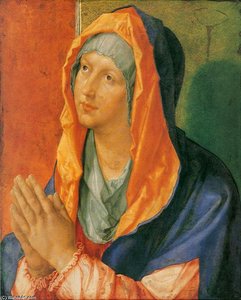
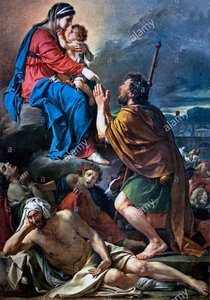
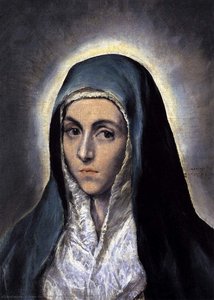
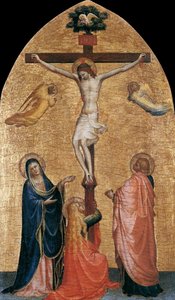
Artist Biography
Master of the Aix Annunciation
The Master of the Aix Annunciation, a figure shrouded in mystery despite his undeniable contribution to medieval art history, remains one of the most celebrated artists active in France during the mid-15th century. Precise biographical details are scarce, fueling speculation and scholarly debate about his identity and artistic origins.
While definitive attribution is elusive – scholars currently believe he was likely Bartholomé d’Eyck—his fame rests primarily upon a single masterpiece: the *Aix Annunciation*, housed in Sainte-Marie-Madeleine Basilica in Aix-en-Provence. This monumental altarpiece exemplifies the pinnacle of Gothic panel painting, showcasing unparalleled craftsmanship and profound theological contemplation.
The painting’s intricate iconography—featuring Mary receiving the divine messenger Gabriel—is executed with meticulous detail, reflecting the artistic conventions prevalent during the Burgundian Renaissance. The artist skillfully employs techniques such as glazing and bole staining to achieve luminous colors and textural depth, capturing the ethereal beauty characteristic of Gothic art.
Beyond its aesthetic brilliance, the *Aix Annunciation* holds significant historical importance as it represents a pivotal moment in artistic innovation. It stands as a testament to the enduring power of religious imagery to inspire awe and convey spiritual truths—a legacy that continues to resonate with viewers today.
Influences & Artistic Style
- Gothic Tradition: The Master’s style is deeply rooted in the Gothic artistic tradition, inheriting its emphasis on symbolism, stylized figures, and monumental scale. He absorbed influences from earlier masters like Simone Martini and Pietro Perugino, adapting their stylistic approaches to his own creative vision.
- Renaissance Sensibilities: Despite adhering to Gothic conventions, the artist demonstrates an awareness of emerging Renaissance ideals—particularly concerning naturalism and perspective—evident in subtle refinements within the composition.
- Northern European Techniques: Evidence suggests that he may have drawn inspiration from Northern European artistic practices, incorporating techniques such as oil painting – a relatively new medium at the time – to achieve greater realism and luminosity.
The Aix Annunciation: A Detailed Analysis
The *Aix Annunciation* is remarkable for its sheer ambition—measuring approximately 3.6 meters by 2.8 meters, it constitutes one of the largest altarpieces produced in France during the Burgundian period. The panel’s surface is adorned with elaborate gilded decoration and vibrant pigments, reflecting the lavish patronage enjoyed by aristocratic families.
The central scene depicts Mary kneeling before Gabriel, who announces to her that she will conceive Jesus Christ. The figures are rendered with exquisite anatomical accuracy—a departure from earlier Gothic representations—demonstrating a mastery of observation and artistic skill. Careful attention is paid to drapery folds and facial expressions, conveying emotion and conveying the solemnity of the biblical narrative.
Furthermore, the painting incorporates symbolic elements—such as lilies representing purity and doves symbolizing the Holy Spirit—that underscore its theological significance. The artist’s masterful use of color contributes to the overall atmosphere of serenity and reverence, inviting contemplation on themes of divine grace and redemption.
Legacy & Influence
The Master of the Aix Annunciation exerted considerable influence on subsequent generations of artists, shaping the trajectory of Gothic panel painting and establishing a benchmark for artistic excellence. His techniques—particularly glazing and bole staining—were adopted by numerous painters across Europe, furthering the dissemination of Northern European stylistic innovations.
Moreover, his masterpiece served as inspiration for artists working in other mediums—including sculpture and stained glass—solidifying its position as a cornerstone of medieval art history. The *Aix Annunciation* continues to captivate audiences today with its beauty, complexity, and enduring message of faith—a testament to the artist’s genius and lasting contribution to Western artistic heritage.
Quick Facts
- Artistic Movement Or Style: Gothic
- Artists Or Movements Influenced By This Artist: ['Renaissance']
- Artists Who Influenced This Artist: ["Barthélemy d'Eyck"]
- Full Name: Master of the Aix-en-Chapelle Altarpiece
- Nationality: French
- Notable Artworks: ['Madonna and Child']