

 Preview
 Send
Send Share
Share
 Details

 Download
 Similars
 X-Ray
X-Ray Diaporama
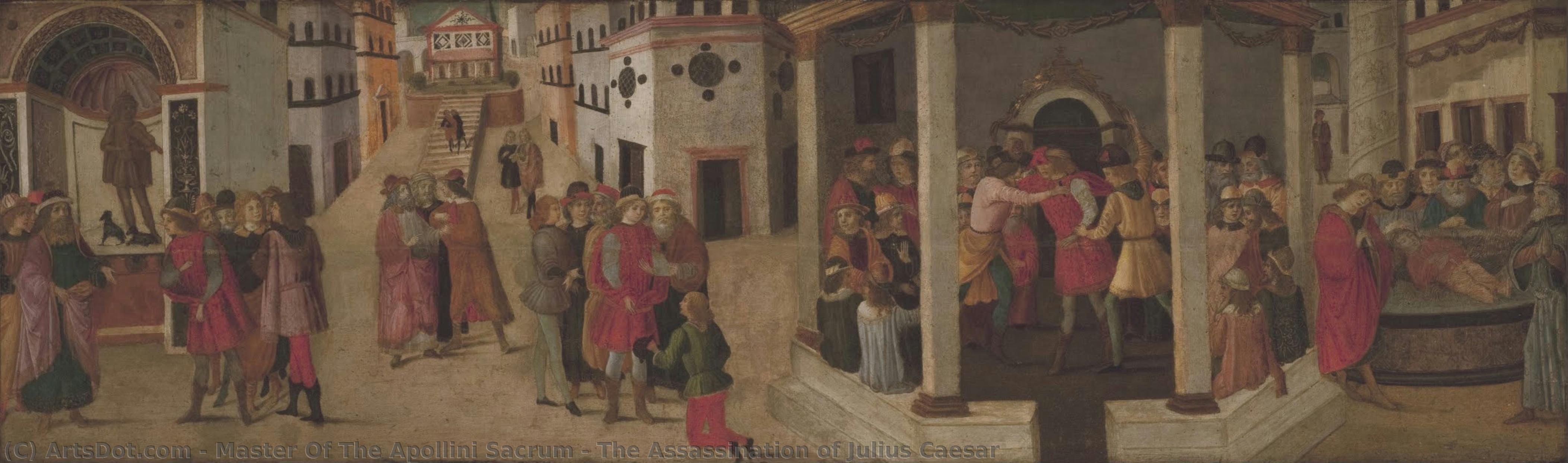
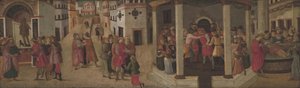
The Assassination of Julius Caesar
 1400
1400 45.0 x 151.0 cm
 Read More
Purchase a high-resolution, enhanced digital image, far superior to the online preview.
Each file is meticulously prepared by our in-house specialists using advanced tools and expert manual retouching. We ensure every image has exceptional clarity, precise color accuracy, and fine detail.
The final file is delivered via email within 72 hours, optimized for immediate use in professional, editorial, and print environments. This is the same quality trusted by top-tier design studios, publishers, and galleries.
Digital Image
Download a high-resolution file for personal display, printing, and creative projects. ( Buy Print Buy Hand Made Painting)
Included in Every Digital Image Order
Expert Digital Delivery, Guaranteed
When you choose ArtsDot.com, you're not just getting an image - you're receiving a professionally enhanced digital artwork, crafted with precision and backed by a satisfaction guarantee. Here's everything that comes with your order, automatically:

Fast Email Delivery
Your high-resolution digital image file will be emailed to you within 72 hours of ordering - ready for immediate use.

AI-Enhanced Digital File
Your artwork is professionally optimized using advanced AI tools and manual editing, ensuring maximum detail, clarity, and color accuracy.

Free Lifetime Re-Delivery
Accidentally deleted or lost your file? No worries - we'll resend it to you anytime, free of charge.

No Import Fees - Ever
Enjoy your artwork instantly with zero customs, duties, or delivery fees - digital downloads are always tax-free.

Color Accuracy Guarantee
We ensure your digital image reflects the original colors as closely as possible using professional tools and color management.

60-Day Satisfaction Guarantee
If you're not satisfied with your digital image, we'll revise it or refund 100% within 60 days - no questions asked.

100% Money-Back Guarantee
Not satisfied? Get a full refund within 60 days of receiving your digital file - no questions asked.

Bulk Order Discounts
Buy 3 images, save 10% - Buy 5, save 15% - Buy 10+, save 20%. Great for creative projects, galleries, and agencies.
Collectible Description
Related Artworks




Artist Biography
The Enigmatic Master of Marradi
The identity of the “Master of Marradi,” as he’s known to scholars, remains shrouded in mystery—a characteristic that lends an air of intrigue to his remarkable artistic output. Active primarily during the late fifteenth century in Tuscany, this artist emerged from the vibrant milieu surrounding Domenico Ghirlandaio, absorbing stylistic cues and techniques from one of Florence's foremost painters of the era. While biographical details are scarce, circumstantial evidence suggests he was born around 1490 in Marradi, a town nestled amongst the rolling hills of Emilia-Romagna—a location that undoubtedly fostered an appreciation for humanist ideals and artistic innovation.- Early Influences: Ghirlandaio’s workshop served as a crucible for stylistic experimentation, shaping the Master's approach to fresco painting and panel decoration. The meticulous realism championed by Ghirlandaio—particularly evident in his depictions of biblical narratives—clearly resonated with the artist’s sensibilities.
- Notable Works: His fame rests largely on four monumental panels adorning the Badia del Borgo church in Marradi, depicting scenes from the Life of Saint Augustine. These canvases exemplify the artist's mastery of perspective and chiaroscuro—the dramatic interplay of light and shadow—creating immersive environments that convey profound spiritual emotion.
- The Assassination of Julius Caesar: Perhaps his most enduring achievement is a captivating depiction of Julius Caesar’s assassination, housed in the Museo Nazionale Etrusco di Villa Giulia in Rome. This panel showcases an astonishing level of detail, capturing the visceral horror and psychological complexity of the event with remarkable accuracy. The composition—characterized by dynamic movement and expressive gestures—demonstrates the artist's command of theatrical staging.
Technique and Style
The Master’s artistic style is defined by a commitment to naturalism tempered by an idealized aesthetic. He skillfully employed sfumato—a technique pioneered by Leonardo da Vinci—to soften contours and create atmospheric haze, lending his paintings an ethereal quality. The artist's meticulous attention to anatomical accuracy reflects the humanist preoccupation with understanding the human form as envisioned during the Renaissance. Furthermore, he demonstrated a profound understanding of color theory, utilizing pigments with remarkable vibrancy and blending them seamlessly to achieve luminous effects.- Frescoes: His frescoes in Marradi are notable for their monumental scale and masterful illusionism—creating convincing representations of architectural spaces that transport viewers into the depicted scenes.
- Panel Paintings: The Caesar panel exemplifies his ability to convey emotion through gesture and facial expression, capturing the drama of the assassination with breathtaking immediacy.
Historical Significance
The Master of Marradi stands as a testament to the flourishing artistic culture of Tuscany during the High Renaissance. His work contributes significantly to our understanding of Ghirlandaio’s influence and the broader dissemination of humanist ideals across Italy. Moreover, his depiction of Caesar's assassination—a pivotal moment in Roman history—represents one of the most compelling visual interpretations of this event, securing its place within the canon of Renaissance art.Legacy Though little is known about his personal life beyond his artistic activity, the Master’s enduring legacy persists through his remarkable paintings—works that continue to inspire admiration and scholarly debate centuries after their creation. He remains an artist whose meticulous craftsmanship and profound sensitivity to human emotion exemplify the best achievements of Florentine Renaissance painting.
Quick Facts
- Artistic Movement Or Style: Renaissance
- Artists Or Movements Influenced By This Artist: Late 15th century art
- Artists Who Influenced This Artist: Domenico Ghirlandaio
- Full Name: Master of Marradi
- Nationality: Italian
- Notable Artworks: ['The Assassination of Julius Caesar']
- Place Of Birth: Marradi, Italy

