

 Preview
 Send
Send Share
Share
 Details

 Download
 Similars
 X-Ray
X-Ray Diaporama
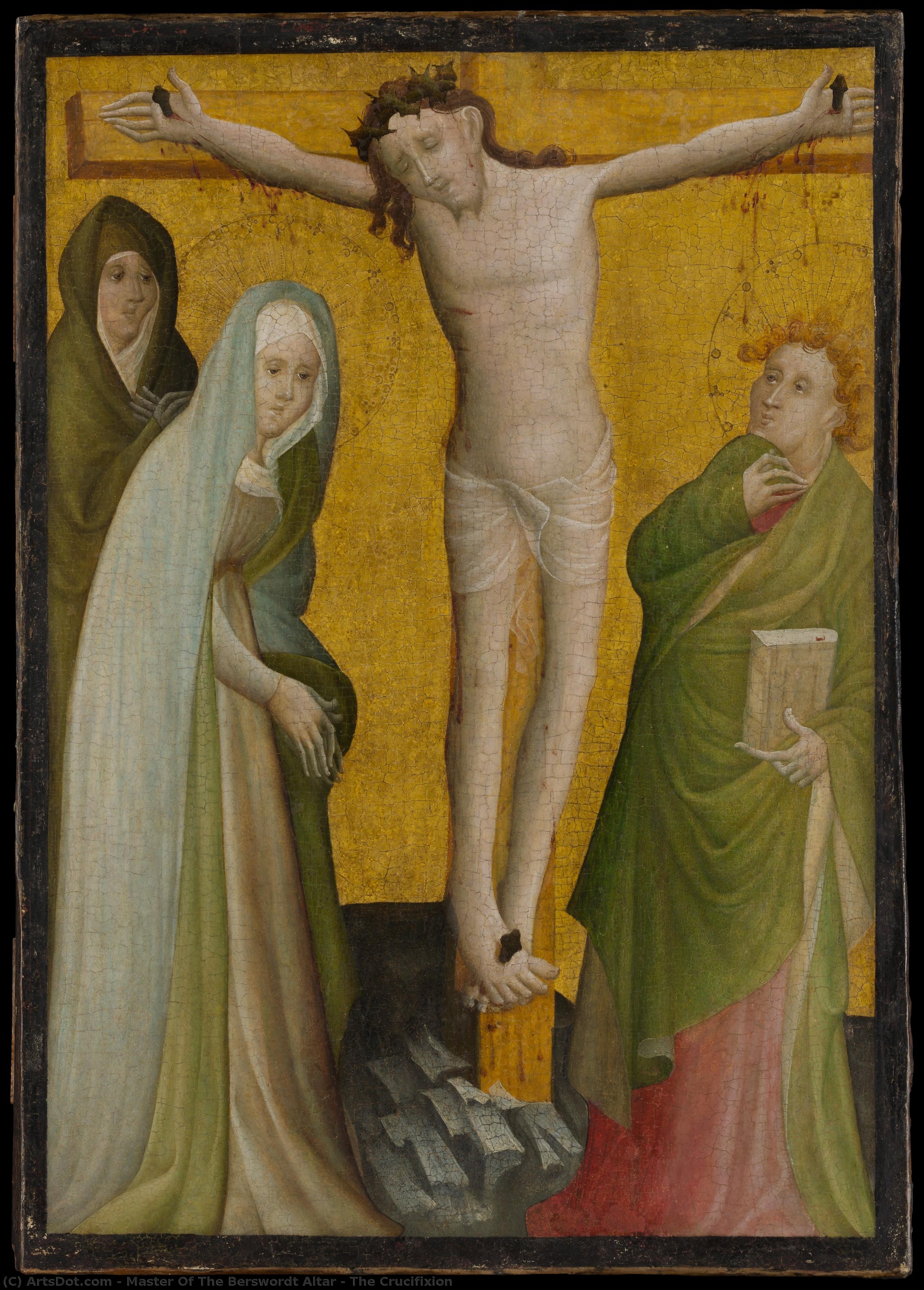
The Crucifixion
 1400
1400 60.0 x 43.0 cm
 Metropolitan Museum of Art
 Read More
Purchase a high-resolution, enhanced digital image, far superior to the online preview.
Each file is meticulously prepared by our in-house specialists using advanced tools and expert manual retouching. We ensure every image has exceptional clarity, precise color accuracy, and fine detail.
The final file is delivered via email within 72 hours, optimized for immediate use in professional, editorial, and print environments. This is the same quality trusted by top-tier design studios, publishers, and galleries.
Digital Image
Download a high-resolution file for personal display, printing, and creative projects. ( Buy Print Buy Hand Made Painting)
Included in Every Digital Image Order
Expert Digital Delivery, Guaranteed
When you choose ArtsDot.com, you're not just getting an image - you're receiving a professionally enhanced digital artwork, crafted with precision and backed by a satisfaction guarantee. Here's everything that comes with your order, automatically:

Fast Email Delivery
Your high-resolution digital image file will be emailed to you within 72 hours of ordering - ready for immediate use.

AI-Enhanced Digital File
Your artwork is professionally optimized using advanced AI tools and manual editing, ensuring maximum detail, clarity, and color accuracy.

Free Lifetime Re-Delivery
Accidentally deleted or lost your file? No worries - we'll resend it to you anytime, free of charge.

No Import Fees - Ever
Enjoy your artwork instantly with zero customs, duties, or delivery fees - digital downloads are always tax-free.

Color Accuracy Guarantee
We ensure your digital image reflects the original colors as closely as possible using professional tools and color management.

60-Day Satisfaction Guarantee
If you're not satisfied with your digital image, we'll revise it or refund 100% within 60 days - no questions asked.

100% Money-Back Guarantee
Not satisfied? Get a full refund within 60 days of receiving your digital file - no questions asked.

Bulk Order Discounts
Buy 3 images, save 10% - Buy 5, save 15% - Buy 10+, save 20%. Great for creative projects, galleries, and agencies.
Collectible Description
Related Artworks







Artist Biography
A Painter of Elegance: Unveiling the Master of the Berswordt Altar
The name evokes a sense of medieval grandeur, doesn’t it? The Master of the Berswordt Altar—a moniker born not from personal record but from a breathtaking work of art—represents one of the most compelling figures in late Gothic painting. Active around Dortmund in Westphalia during the transitional period between the 14th and 15th centuries, this anonymous artist remains shrouded in mystery, yet his influence on the development of panel painting in Germany is undeniable. We know him not through signed works or contemporary chronicles, but through a distinctive style characterized by refined elegance, emotional depth, and a masterful command of color and gold leaf. His art speaks volumes where history falls silent, offering a glimpse into the cultural vibrancy of the region during a period of significant artistic change.Origins and Artistic Context
Pinpointing the Master’s exact origins remains elusive. The concentration of commissions in Westphalia—particularly around Dortmund and Bielefeld—strongly suggests a workshop based within this area, but beyond that, details are scarce. What *is* clear is his position within a broader artistic landscape increasingly influenced by International Gothic trends. This style, flourishing across Europe from the late 1300s, prioritized graceful figures, elaborate ornamentation, and rich symbolism. The Master of the Berswordt Altar absorbed these influences—particularly those emanating from French and Burgundian illuminated manuscripts—and adapted them to his own unique vision. His work exists in a fascinating dialogue with that of contemporaries like Konrad von Soest; scholars debate their precise relationship, though most now place the Master slightly earlier, seeing him as an innovator who paved the way for Von Soest’s more naturalistic approach. The late 14th century was a time of stylistic flux, and the Master stands at a crucial juncture, bridging traditional Gothic conventions with emerging Renaissance sensibilities.The Dispersed Altarpiece and Defining Characteristics
The artist's name derives from the magnificent Crucifixion Triptych, originally commissioned for the high altar of the Collegiate Church (Kollegiatstift) of Sankt Maria und Sankt Georg, now the Neustädter Marienkirche in Bielefeld. However, it is a large, dispersed retable from that same church—dating to 1400—that truly defines his oeuvre. This ambitious project comprised around thirty narrative panels surrounding a central image of the Madonna and Child. While fragmented today, surviving elements like The Crucifixion and The Flagellation, now housed in the Metropolitan Museum of Art, reveal the hallmarks of his style. These paintings are characterized by elegantly stylized figures imbued with deep emotion. The artist’s use of oil and tempera, combined with lavish gold detailing, creates a luminous surface that draws the viewer into the sacred narrative. His compositions are carefully balanced, and his attention to detail—particularly in the rendering of drapery and facial expressions—is remarkable. A sense of courtly refinement permeates his work, reflecting the influence of aristocratic patronage and the International Gothic aesthetic.Legacy and Historical Significance
Despite the anonymity surrounding his identity, the Master of the Berswordt Altar left an indelible mark on German painting. His workshop likely trained a number of artists, contributing to the spread of his style throughout Westphalia and beyond. He is considered one of the leading figures in pre-Eyckian panel painting in Germany, representing a crucial link between the late Gothic tradition and the burgeoning Renaissance. The emotional intensity and refined elegance of his work foreshadow developments seen in later German masters. His influence can be traced in the paintings of artists active in the region during the 15th century, solidifying his position as a pivotal figure in the history of art. While much remains unknown about this enigmatic painter, his surviving works continue to captivate and inspire, offering a testament to the enduring power of artistic vision and skill.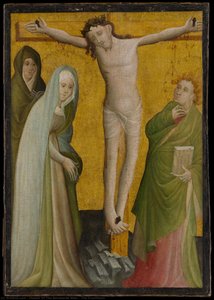
Quick Facts
- Artistic Movement Or Style: International Gothic
- Date Of Death: Living
- Full Name: Master of the Berswordt Altar
- Nationality: German
- Notable Artworks:
- The Crucifixion
- The Flagellation

