

 Preview
 Send
Send Share
Share
 Details

 Download
 Similars
 X-Ray
X-Ray Diaporama
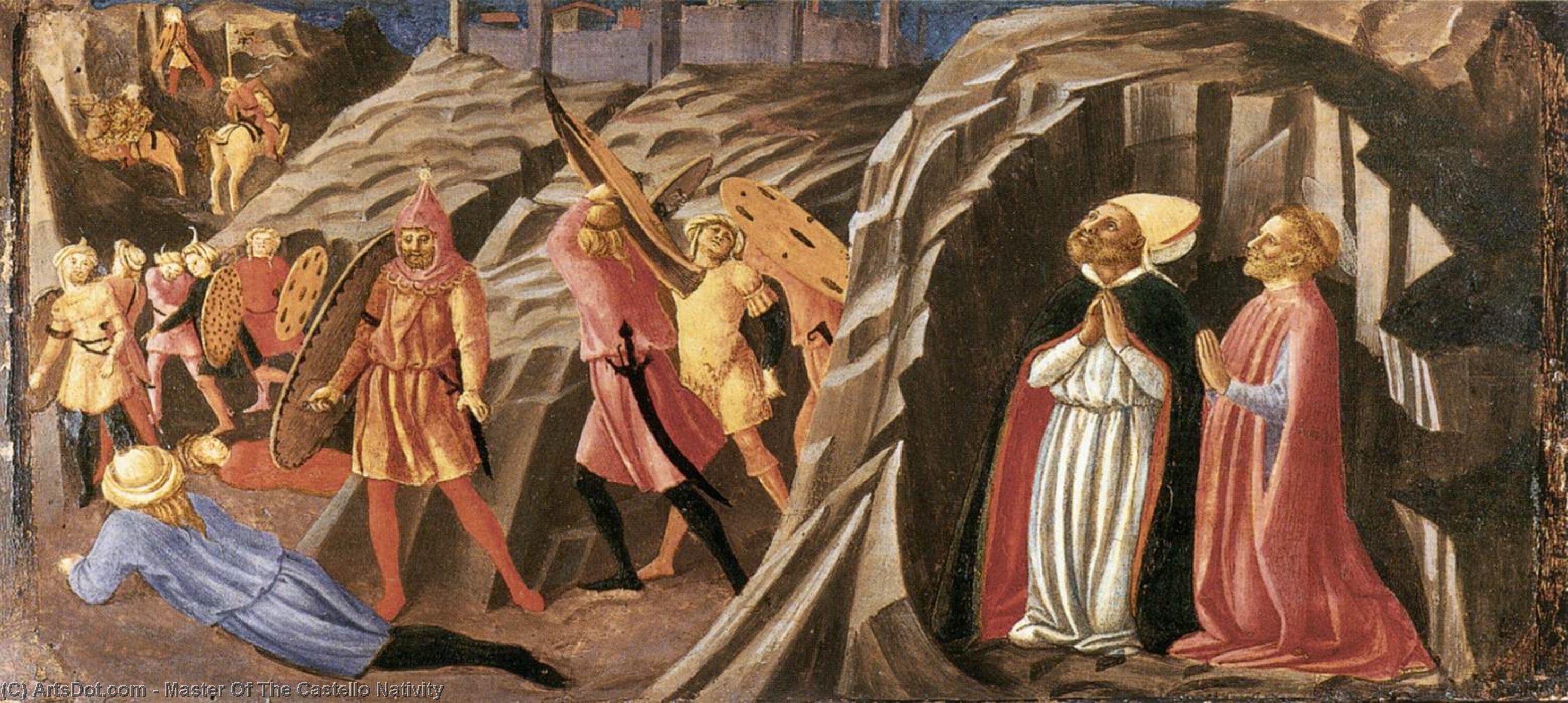
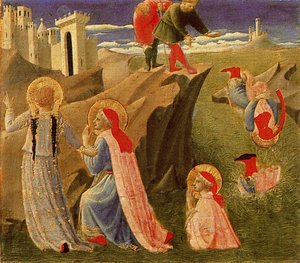
Sts Justus and Clement Praying for Deliverance from the Vandals
 Early Renaissance
 1450
1450- Renaissance
 22.0 x 47.0 cm
 Museum of Art
 Read More
Purchase a high-resolution, enhanced digital image, far superior to the online preview.
Each file is meticulously prepared by our in-house specialists using advanced tools and expert manual retouching. We ensure every image has exceptional clarity, precise color accuracy, and fine detail.
The final file is delivered via email within 72 hours, optimized for immediate use in professional, editorial, and print environments. This is the same quality trusted by top-tier design studios, publishers, and galleries.
Digital Image
Download a high-resolution file for personal display, printing, and creative projects. ( Buy Print Buy Hand Made Painting)
Included in Every Digital Image Order
Expert Digital Delivery, Guaranteed
When you choose ArtsDot.com, you're not just getting an image - you're receiving a professionally enhanced digital artwork, crafted with precision and backed by a satisfaction guarantee. Here's everything that comes with your order, automatically:

Fast Email Delivery
Your high-resolution digital image file will be emailed to you within 72 hours of ordering - ready for immediate use.

AI-Enhanced Digital File
Your artwork is professionally optimized using advanced AI tools and manual editing, ensuring maximum detail, clarity, and color accuracy.

Free Lifetime Re-Delivery
Accidentally deleted or lost your file? No worries - we'll resend it to you anytime, free of charge.

No Import Fees - Ever
Enjoy your artwork instantly with zero customs, duties, or delivery fees - digital downloads are always tax-free.

Color Accuracy Guarantee
We ensure your digital image reflects the original colors as closely as possible using professional tools and color management.

60-Day Satisfaction Guarantee
If you're not satisfied with your digital image, we'll revise it or refund 100% within 60 days - no questions asked.

100% Money-Back Guarantee
Not satisfied? Get a full refund within 60 days of receiving your digital file - no questions asked.

Bulk Order Discounts
Buy 3 images, save 10% - Buy 5, save 15% - Buy 10+, save 20%. Great for creative projects, galleries, and agencies.
A Prayer Amidst Peril: The Devotion of Saints Justus and Clement
In the quiet, shadowed corridors of the early Italian Renaissance, certain works of art emerge not merely as decorations, but as profound spiritual anchors. Sts Justus and Clement Praying for Deliverance from the Vandals is one such masterpiece, a poignant window into a period where faith was the ultimate shield against worldly chaos. The painting captures a moment of intense, collective supplication, centering on two holy figures who stand as sentinels of hope. As the shadows of the Vandal invasion loom over the landscape, these saints are depicted in a state of deep communion with the divine, their presence offering a sense of sanctuary to all who behold them. For the discerning collector or interior designer, this piece serves as a powerful focal point, bringing an atmosphere of contemplative peace and historical gravity to any curated space.
The composition is a masterful study in tension and tranquility. In the foreground, the artist utilizes a striking contrast between the martial elements of war—the glint of a helmet and the weight of a shield—and the soft, vulnerable gestures of prayer. The figures are arranged with a rhythmic grace that guides the eye from the armored protectors toward the background, where a community is gathered in various states of devotion. Some kneel in humble submission, while others sit in quiet reflection, creating a layered narrative of human experience under duress. This interplay between the physical reality of conflict and the spiritual pursuit of peace creates an emotional resonance that transcends the centuries, making it an ideal acquisition for those looking to infuse their surroundings with depth and storytelling.
Attributed to the enigmatic Master of the Castello Nativity, the work reflects the exquisite craftsmanship of the 15th-century Italian tradition. The artist, operating within the subtle influences of the Umbrian and Florentine schools, employs a technique that favors clarity of form and a delicate handling of light. There is no flamboyant bravado here; instead, there is a disciplined beauty found in the meticulous rendering of drapery and the somber, earthy palette that grounds the scene in reality. The use of light does not merely illuminate the figures but seems to emanate from the very act of prayer itself, casting a soft glow upon the faces of the faithful. This subtle mastery of atmosphere ensures that the painting remains timeless, offering a sophisticated aesthetic that complements both classical and contemporary interior settings.
Beyond its visual splendor, the painting is rich with symbolic weight. The shield and sword are not merely tools of combat but symbols of the spiritual struggle between good and evil, representing the fortitude required to maintain faith during times of upheaval. To possess a high-quality reproduction of this work is to invite a piece of history into one's home—a piece that speaks of resilience, the sanctity of prayer, and the enduring human spirit. Whether placed in a study, a library, or a grand salon, Sts Justus and Clement Praying for Deliverance from the Vandals acts as a silent, powerful interlocutor, reminding the viewer of the profound beauty found in moments of absolute devotion.
Related Artworks
Artist Biography
A Shadowy Figure in the Dawn of the Renaissance
The Master of the Castello Nativity, a name whispered among art historians and scholars, remains one of the most enigmatic figures of the early 15th century. His identity is shrouded in mystery – he’s often referred to simply as “the Master,” lacking a known birthdate or definitive biographical details. What we *do* know is that his work, primarily devotional scenes centered around the Virgin Mary and the infant Jesus, offers a fascinating glimpse into the burgeoning artistic landscape of Italy during this pivotal period. He wasn't a flamboyant innovator like his contemporaries; instead, he operated within the established traditions of the Umbrian and Florentine schools, subtly pushing boundaries while maintaining a respectful distance from the revolutionary currents sweeping through the art world.
His origins are largely speculative, though most scholars believe him to have been associated with the workshop of Fra’ Filippo Lippi in Prato. This connection is supported by stylistic similarities – a shared attention to detail, a refined use of tempera paint, and a similar approach to depicting religious figures. The Master's work demonstrates a clear debt to the earlier art of Giotto, particularly his emphasis on naturalism and emotional expression, but he avoids mimicking Lippi’s more overtly dramatic style. Instead, he cultivates a sense of serene contemplation, reflecting the growing humanist ideals that were beginning to permeate Italian society.
The Castello Nativity: A Defining Work
Perhaps his most famous painting, and the work upon which his name is derived, is “The Nativity” (circa 1457), currently housed in the National Gallery in London. This panel, originally part of an altarpiece intended for the church of Santi Giusto e Clemente in Faltugnano, Tuscany, exemplifies the Master’s distinctive approach. It depicts the Virgin Mary cradling the newborn Jesus within a stable setting – a familiar scene rendered with remarkable sensitivity and detail. The composition is carefully balanced, drawing the viewer's eye to the central figures while subtly incorporating elements of the surrounding environment. Note the careful depiction of the Tuscan landscape in the background, a testament to the artist’s observational skills.
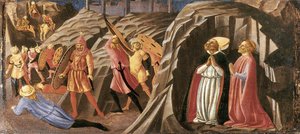
Interestingly, two other predella panels from the same altarpiece – depicting scenes from the lives of Saints Justus and Clemente – are now located at the Philadelphia Museum of Art. The presence of these related works provides valuable insight into the Master's artistic process and his stylistic evolution. The consistent use of tempera on wood suggests a preference for this medium, allowing for rich colors and subtle gradations of tone.
A Style Defined by Subtlety
The Master’s style is characterized by its understated elegance and meticulous attention to detail. He avoids the bold gestures and dramatic lighting favored by some of his contemporaries, instead opting for a more restrained palette and a focus on capturing the quiet dignity of religious figures. A key feature of his work is the variation in the presentation of the infant Jesus within Mary’s arms – a subtle but significant departure from the static poses often found in earlier depictions. This nuanced approach reflects a growing awareness of human anatomy and a desire to convey a sense of movement and vitality.
His influence, though largely undocumented, is evident in the work of later artists who followed in his footsteps. He represents a crucial link between the late Gothic style and the emerging Renaissance aesthetic – a transitional figure who helped shape the visual language of Italian art during this transformative period. The Master’s legacy lies not in groundbreaking innovations but in his quiet dedication to craftsmanship, his profound understanding of religious iconography, and his ability to evoke a sense of serenity and contemplation within his paintings.
Historical Context and Legacy
The Master of the Castello Nativity operated during a time of immense artistic ferment. The rise of Florence as a center of commerce and culture was fueling a renewed interest in classical art and philosophy, while simultaneously fostering a vibrant tradition of Italian painting. Artists like Giotto, Masaccio, and Donatello were challenging established conventions and experimenting with new techniques – paving the way for the High Renaissance. The Master’s work reflects this dynamic environment, incorporating elements of both traditional iconography and emerging artistic trends.
Despite the lack of definitive biographical information, the Master of the Castello Nativity remains a significant figure in the history of Italian art. His paintings offer a valuable window into the early Renaissance, revealing the subtle shifts in style and technique that ultimately led to the revolutionary achievements of artists like Leonardo da Vinci and Michelangelo. His legacy endures through his serene depictions of religious figures – reminders of a time when art served as both a devotional practice and a reflection of humanity’s enduring quest for beauty and meaning.
Quick Facts
- Artistic Movement Or Style: Proto-Renaissance
- Artists Or Movements Influenced By This Artist: ['Early Renaissance']
- Artists Who Influenced This Artist: ['Filippo Lippi']
- Full Name: Master of the Castello Nativity
- Nationality: Italian
- Notable Artworks:
- The Nativity
- Saints Justus and Clement
- Place Of Birth: Prato, Italy

