

 Preview
 Send
Send Share
Share
 Details

 Download
 Similars
 X-Ray
X-Ray Diaporama
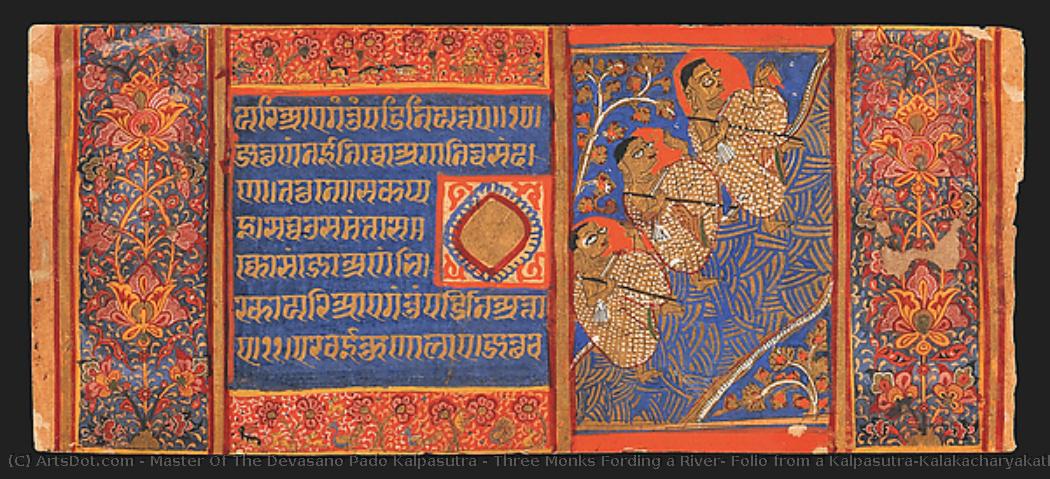
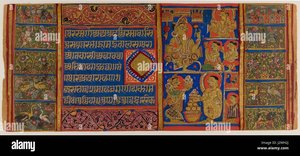
Three Monks Fording a River: Folio from a Kalpasutra-Kalakacharyakatha Manuscript
 1475
1475 11.0 x 7.0 cm
 Read More
Purchase a high-resolution, enhanced digital image, far superior to the online preview.
Each file is meticulously prepared by our in-house specialists using advanced tools and expert manual retouching. We ensure every image has exceptional clarity, precise color accuracy, and fine detail.
The final file is delivered via email within 72 hours, optimized for immediate use in professional, editorial, and print environments. This is the same quality trusted by top-tier design studios, publishers, and galleries.
Digital Image
Download a high-resolution file for personal display, printing, and creative projects. ( Buy Print Buy Hand Made Painting)
Included in Every Digital Image Order
Expert Digital Delivery, Guaranteed
When you choose ArtsDot.com, you're not just getting an image - you're receiving a professionally enhanced digital artwork, crafted with precision and backed by a satisfaction guarantee. Here's everything that comes with your order, automatically:

Fast Email Delivery
Your high-resolution digital image file will be emailed to you within 72 hours of ordering - ready for immediate use.

AI-Enhanced Digital File
Your artwork is professionally optimized using advanced AI tools and manual editing, ensuring maximum detail, clarity, and color accuracy.

Free Lifetime Re-Delivery
Accidentally deleted or lost your file? No worries - we'll resend it to you anytime, free of charge.

No Import Fees - Ever
Enjoy your artwork instantly with zero customs, duties, or delivery fees - digital downloads are always tax-free.

Color Accuracy Guarantee
We ensure your digital image reflects the original colors as closely as possible using professional tools and color management.

60-Day Satisfaction Guarantee
If you're not satisfied with your digital image, we'll revise it or refund 100% within 60 days - no questions asked.

100% Money-Back Guarantee
Not satisfied? Get a full refund within 60 days of receiving your digital file - no questions asked.

Bulk Order Discounts
Buy 3 images, save 10% - Buy 5, save 15% - Buy 10+, save 20%. Great for creative projects, galleries, and agencies.
Collectible Description
Related Artworks

Artist Biography
The Enigmatic Master of the Devasano Pado Kalpasutra
The identity of the “Master of the Devasano Pado Kalpasutra” remains shrouded in a captivating blend of historical speculation and artistic evidence. Active during the late 15th century, likely within the vibrant city of Patan in Gujarat, India, this artist’s legacy rests primarily on his extraordinary contribution to the creation of the Devasano Pado Kalpasutra manuscript – a monumental work considered a cornerstone of late Jain art. Born into a region steeped in rich cultural heritage and religious tradition, the Master's early life remains largely undocumented, adding to the mystique surrounding his artistic journey. What is known is that he was undoubtedly trained within the established framework of traditional Jain painting styles, characterized by their emphasis on vibrant colors, intricate geometric patterns, and a profound reverence for sacred subjects.
A Symphony of Watercolor and Gold: Artistic Style and Technique
The Master’s distinctive style is immediately recognizable through his masterful use of watercolor. Unlike the prevalent black-ink silhouette technique common in earlier Jain manuscripts, he embraced a more fluid and luminous approach, utilizing washes of color to create depth, atmosphere, and subtle gradations of tone. This innovation was further enhanced by the incorporation of lapis lazuli blue – a costly pigment imported from Persia – which introduced an unparalleled richness and brilliance to his palette. Crucially, he skillfully employed painted gold leaf, often applied in negative space to obscure underlying details, creating a dramatic interplay of light and shadow that elevated the artwork’s visual impact. This technique, borrowed from Iranian painting traditions, was a significant departure from established norms and signaled a period of artistic experimentation within Jain art.
- Color Palette: Vibrant hues dominated his work, reflecting the Jain emphasis on auspicious colors and spiritual symbolism.
- Composition: Figures were typically rendered in three-quarter profile, adhering to traditional Jain conventions while allowing for a dynamic sense of movement.
- Detail: Intricate floral borders and decorative elements adorned the manuscript pages, showcasing the artist’s meticulous attention to detail.
The Devasano Pado Kalpasutra: A Masterpiece of Late Jain Art
The Devasano Pado Kalpasutra itself is a testament to the Master's skill and vision. Executed on palm-leaf (potli) paper, a format favored for its durability and portability, the manuscript comprises approximately 201 folios depicting scenes from the Kalpasutra – a sacred Jain text outlining principles of conduct and spiritual practice. The manuscript’s colophon reveals connections to the Solanki dynasty of Patan, suggesting a patronage that likely supported the creation of this ambitious project. Notable amongst its pages are depictions such as “The Embryo is Brought by Harinaigameshi before Indra,” illustrating a pivotal moment in Jain cosmology, and “Three Monks Fording a River,” showcasing the artist’s ability to capture movement and narrative within a confined space.
Influences and Historical Context
The Master's artistic development occurred during a period of significant cultural exchange in Gujarat. The region had come under Sultanate rule, fostering interaction with Persian and other Islamic artistic traditions. This exposure is evident in the adoption of techniques like painted gold and symmetrical floral designs – elements previously uncommon in Jain art. Furthermore, the manuscript’s colophon references Gandhar, a port city on the Arabian Sea, highlighting the importance of trade and cultural diffusion during this era. The work reflects a synthesis of established Jain iconography with emerging influences, resulting in a uniquely sophisticated style that foreshadowed future developments in Indian painting.
Legacy and Significance
Despite the anonymity surrounding his life, the Master of the Devasano Pado Kalpasutra’s contribution to Jain art is undeniable. His innovative use of watercolor, combined with the dramatic effect of painted gold, established a new visual language within the tradition. The Devasano Pado Kalpasutra manuscript itself stands as a remarkable achievement – a vibrant and meticulously crafted testament to the artistic prowess of this enigmatic artist. His work continues to be studied by art historians and scholars, offering valuable insights into the cultural dynamics and artistic evolution of 15th-century Gujarat. He remains a pivotal figure in understanding the rich tapestry of Jain art and its enduring legacy.
Quick Facts
- Artistic Movement Or Style: Late Jain art
- Date Of Birth: Late 15th century
- Date Of Death: Living
- Full Name: Master of the Devasano Pado Kalpasutra
- Nationality: Indian
- Notable Artworks:
- Embryo brought by Harinaigameshi
- Three monks fording a river
- Place Of Birth: Patan, India

