 Preview
 Send
Send Share
Share
 Details

 Download
 Similars
 X-Ray
X-Ray Diaporama
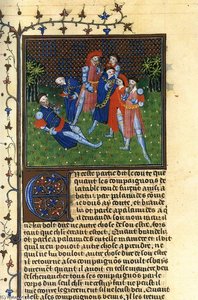
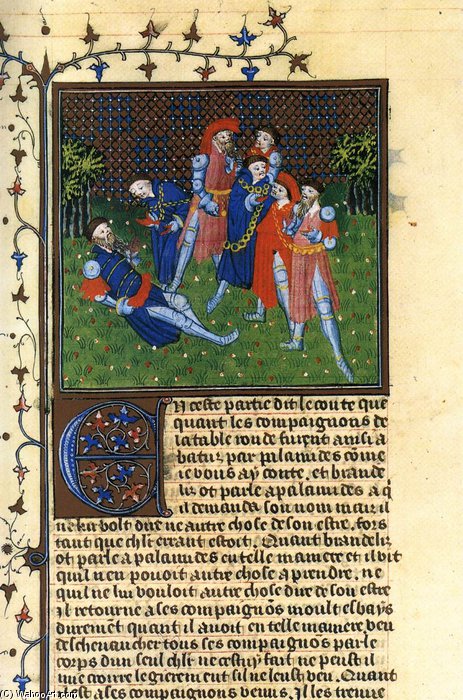
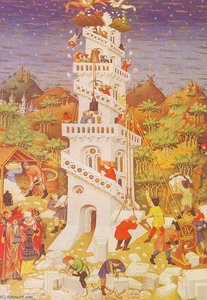
Tristan And Isolde
 Read More
Giclée / Art Print
Museum-quality giclée or canvas print with fast production and flexible finish options. ( Buy Hand Made Painting Buy Image)




































Pick from our preset sizes that match the artwork's original proportions.

You may enter your own dimensions to fit a specific frame or space. If your selected size does not match the original image's proportions, we will either crop the artwork or extend the image with a mirrored or solid-fill edge. A digital mockup will be sent for your approval before production begins.
Please note that the on-screen preview does not reflect the actual cropping or extension. Only the mockup will accurately show the final composition.
While custom sizes are available, we recommend selecting a dimension from the predefined list to preserve the original proportions.
Worldwide Delivery () in 2 weeks instead of standard 4/5 weeks. (27 August)

Free Worldwide Express Shipping

High-Quality Linen Canvas

Full Shipping Insurance

Customs Tax Refund Guarantee

True Color Matching Guarantee

60-Day Return Policy (Defects Only)

100% Money-Back Guarantee

Bulk Discount Offer
 Glass option is only available in size under 110 CM

Tristan And Isolde
Giclée / Art Print
Reproduction Size
-


Total Price
$ 63
Related Artworks



Artist Biography
The Enigmatic Master: Unveiling the World of the Bedford Hours
The name “Master of the Duke of Bedford” – a moniker applied to an artist shrouded in mystery – evokes a world of exquisite detail, profound symbolism, and a pivotal role within the vibrant tapestry of 15th-century Burgundian art. More than just an illuminator, this anonymous figure represents a workshop, a lineage of skilled artisans working under a shared aesthetic vision, primarily centered around the creation of illuminated manuscripts for the wealthy and influential. The most celebrated testament to their artistry is undoubtedly the Bedford Hours, a book of hours housed in the British Library, but it’s merely one facet of a complex and fascinating story – a story pieced together from fragments of evidence, stylistic analysis, and scholarly debate.
The origins of this artistic collective remain elusive. Early speculation suggested a single individual, a master craftsman whose name has been lost to time. However, modern scholarship increasingly points towards the existence of a workshop, possibly centered in Paris, with multiple contributors – a “Bedford Trend” as coined by Millard Meiss – each bringing their unique skills and influences to bear on the overall project. The stylistic evolution observed across the surviving manuscripts—the Salisbury Breviary, the Beaumont Hours, and fragments attributed to the Bedford workshop—suggests a gradual development of techniques and a shifting emphasis within the group’s output. The earliest works display a more restrained, almost austere style, while later pieces exhibit greater exuberance and a richer palette.
The Duke of Bedford himself, John of Lancaster (1389-1435), was a key figure in this artistic milieu. A powerful English nobleman serving as Regent of France for his nephew, Henry VI, he commissioned numerous works of art, including the Bedford Hours and the Salisbury Breviary. These manuscripts weren’t merely decorative objects; they were potent symbols of status, piety, and political power. The lavish illumination, depicting scenes from the Bible, portraits of the Duke and Duchess, and intricate heraldic devices, served as a visual testament to his wealth, authority, and connections.
The Bedford Hours: A Window into a World
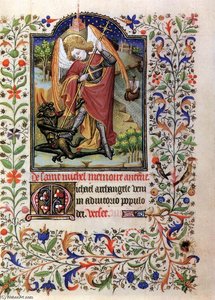
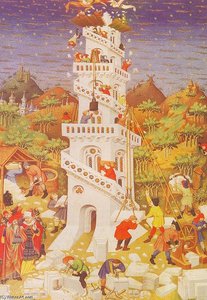
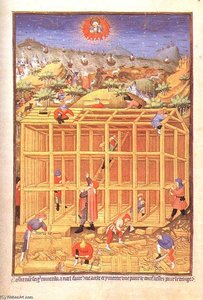
The Bedford Hours is arguably the workshop’s masterpiece. Completed around 1410-30, it's a stunning example of French late medieval art, blending Gothic elegance with elements of Early Renaissance influence. The manuscript comprises 270 large-format miniatures, each meticulously crafted and brimming with symbolic meaning. The portraits of the Duke and Duchess of Bedford are particularly noteworthy – remarkably lifelike for their time, capturing not just physical likeness but also a sense of personality and dignity. The scenes from the Book of Hours depict various aspects of daily life, including prayers, feasts, and courtly rituals, offering a glimpse into the world of the 15th-century elite.
Beyond the portraits, the Bedford Hours is replete with intricate details that reveal much about the period. The use of vibrant pigments—particularly ultramarine blue, derived from lapis lazuli—demonstrates the workshop’s access to expensive materials and its mastery of color techniques. The gold leaf used for outlining and embellishment adds a sense of opulence and spiritual significance. Furthermore, the manuscript incorporates heraldic devices – the Bedford arms (a golden lion rampant on a field azure) – reinforcing the Duke's status and identity.
Technique and Influences
The workshop’s style is characterized by a remarkable level of detail and technical skill. The artists employed meticulous techniques for rendering fabrics, jewels, and architectural elements. They were masters of perspective, creating convincing illusions of depth and space within the miniature scenes. The influence of Flemish art is evident in the Bedford Hours—particularly in the use of bright colors, the detailed rendering of textures, and the emphasis on realism. However, the workshop’s style also retains a distinctly French sensibility, reflecting the artistic traditions of Paris at the time.
The workshop's work was influenced by several key trends. The rise of humanist thought during the Renaissance encouraged a renewed interest in classical art and learning. This influence can be seen in the Bedford Hours’ careful attention to proportion and perspective, as well as its incorporation of classical motifs. Furthermore, the workshop drew inspiration from the works of other contemporary illuminators, such as Limbourg Brothers and Jean Pucelle. The use of a “grid” system for organizing the miniatures—a technique borrowed from Flemish manuscript production—helped ensure consistency and efficiency within the workshop.
Legacy and Historical Significance
Despite the enduring mystery surrounding its creator, the Master of the Duke of Bedford’s work holds immense historical significance. The Bedford Hours and other manuscripts produced by the workshop provide invaluable insights into the art, culture, and politics of 15th-century Burgundy. They also offer a rare glimpse into the lives of the wealthy elite—particularly the Duke of Bedford himself—and their patronage of the arts.
The ongoing research into the Bedford Hours and other related manuscripts continues to shed new light on the identity of the Master, his workshop, and the broader artistic context in which they operated. Each newly discovered fragment, each stylistic analysis, brings us closer to understanding this enigmatic figure—a testament to the enduring power of art to reveal the secrets of the past.
Quick Facts
- Artistic Movement Or Style: Gothic Illumination
- Artists Or Movements Influenced By This Artist: ['Burgundian Art']
- Artists Who Influenced This Artist: ['Flemish Miniatures']
- Date Of Death: c. 1435
- Full Name: Master of the Duke of Bedford
- Nationality: French
- Notable Artworks:
- Bedford Hours
- Salisbury Breviary
- Place Of Birth: Paris, France