

 Preview
 Send
Send Share
Share
 Details

 Download
 Similars
 X-Ray
X-Ray Diaporama
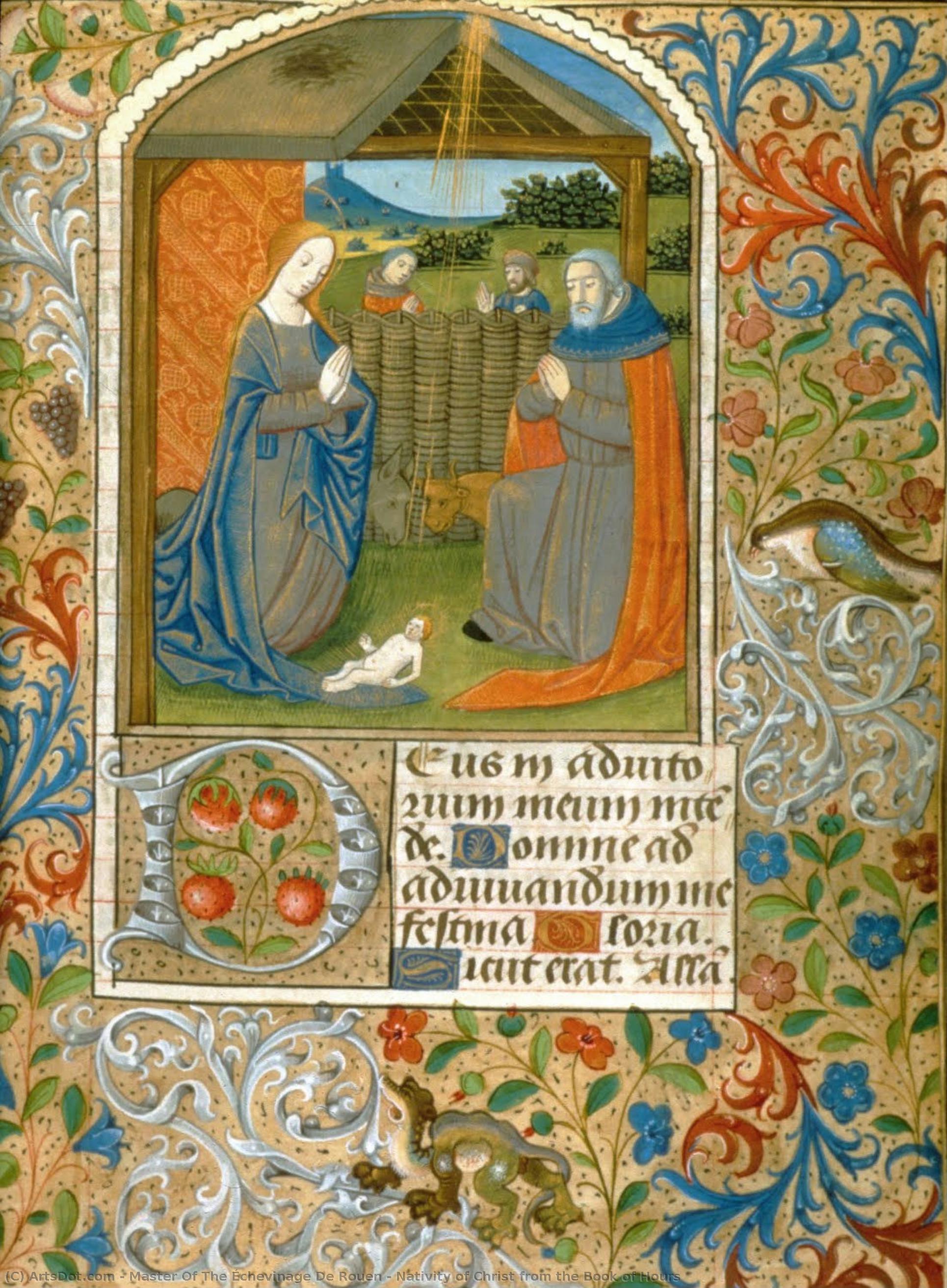
Nativity of Christ from the Book of Hours
 Manuscript
- Late Medieval
 1480
1480- Late Medieval
 20.0 x 15.0 cm
 Chrysler Museum of Art
 Read More
Purchase a high-resolution, enhanced digital image, far superior to the online preview.
Each file is meticulously prepared by our in-house specialists using advanced tools and expert manual retouching. We ensure every image has exceptional clarity, precise color accuracy, and fine detail.
The final file is delivered via email within 72 hours, optimized for immediate use in professional, editorial, and print environments. This is the same quality trusted by top-tier design studios, publishers, and galleries.
Digital Image
Download a high-resolution file for personal display, printing, and creative projects. ( Buy Print Buy Hand Made Painting)
Included in Every Digital Image Order
Expert Digital Delivery, Guaranteed
When you choose ArtsDot.com, you're not just getting an image - you're receiving a professionally enhanced digital artwork, crafted with precision and backed by a satisfaction guarantee. Here's everything that comes with your order, automatically:

Fast Email Delivery
Your high-resolution digital image file will be emailed to you within 72 hours of ordering - ready for immediate use.

AI-Enhanced Digital File
Your artwork is professionally optimized using advanced AI tools and manual editing, ensuring maximum detail, clarity, and color accuracy.

Free Lifetime Re-Delivery
Accidentally deleted or lost your file? No worries - we'll resend it to you anytime, free of charge.

No Import Fees - Ever
Enjoy your artwork instantly with zero customs, duties, or delivery fees - digital downloads are always tax-free.

Color Accuracy Guarantee
We ensure your digital image reflects the original colors as closely as possible using professional tools and color management.

60-Day Satisfaction Guarantee
If you're not satisfied with your digital image, we'll revise it or refund 100% within 60 days - no questions asked.

100% Money-Back Guarantee
Not satisfied? Get a full refund within 60 days of receiving your digital file - no questions asked.

Bulk Order Discounts
Buy 3 images, save 10% - Buy 5, save 15% - Buy 10+, save 20%. Great for creative projects, galleries, and agencies.
A Sacred Window into the Late Middle Ages
In the quiet intimacy of a fifteenth-century devotional life, few objects held as much spiritual weight as the illuminated manuscript. The Nativity of Christ from the Book of Hours, crafted around 1480 by the master of the échevinage de rouen, serves as a breathtaking portal into this era of profound piety. This delicate miniature, measuring just 20 x 15 cm, was not merely a book but a vessel for prayer, designed to guide the faithful through the canonical hours of the day. As the eye wanders across the page, one is immediately struck by the lavish golden border that frames the sacred scene, a testament to the immense value placed on such hand-painted treasures. The artistry reflects a period when every stroke of pigment and application of gold leaf was an act of devotion, intended to elevate the reader's mind from the earthly realm toward the divine.
The composition of this masterpiece is a masterful blend of the celestial and the terrestrial. At its heart lies the Nativity, where the Virgin Mary cradles the infant Jesus with a tenderness that transcends centuries. Nearby, Joseph stands in quiet contemplation, anchoring the holy family within a scene that feels both monumental and deeply personal. Yet, what makes this particular illumination truly captivating for the modern observer is the subtle infusion of secular life into the sacred narrative. The presence of two dogs—one on the left and another on the right—and an apple tree scattered with fruit introduces a sense of lived reality. These elements suggest that the miracle of Christ's birth is not an isolated event in a vacuum, but one woven into the very fabric of the natural world, making the divine accessible to the everyday observer.
Technique and the Art of Illumination
The master of the échevinage de rouen demonstrates a level of technical precision that remains awe-inspiring even by contemporary standards. The use of vibrant pigments, likely derived from precious minerals, creates a rich color palette that has survived the passage of half a millennium. The artist employs a delicate layering technique to achieve depth within such a small scale, using fine brushwork to define the soft folds of Mary's garments and the subtle textures of the surrounding landscape. The interplay between the luminous gold leaf and the saturated blues and reds creates a rhythmic visual movement, drawing the viewer into the miniature's intricate details. This meticulous craftsmanship is further highlighted by the embellished Latin invocation, “Deus, veni in adiutorium meum” (Oh God, come to my aid), where the ornate letter “D” serves as both a linguistic and artistic anchor for the page.
For collectors and interior designers alike, a high-quality reproduction of this work offers more than just aesthetic beauty; it provides a sense of historical continuity and intellectual depth. The painting’s ability to balance religious solemnity with charming, earthly details—such as the bird perched in the corner or the scattered apples—makes it a versatile piece for sophisticated decor. Whether placed in a study filled with classical literature or as a focal point in a gallery-style living space, this artwork invites contemplation and conversation. It is a piece that does not merely decorate a room but enriches its atmosphere, bringing the quiet, luminous spirit of the French Renaissance into the modern home.
Related Artworks
Artist Biography
The Master of the Échevinage de Rouen: A Beacon of Late Medieval French Illuminatory Art
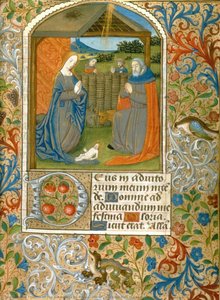
In the quiet, hallowed corridors of fifteenth-century France, where the flicker of candlelight danced across vellum, there existed a period of profound spiritual and artistic transformation. At the heart of this movement stood the Master of the Échevinage de Rouen, an artist whose name remains synonymous with the understated brilliance and meticulous craftsmanship of the late Middle Ages. Though his personal biography remains shrouded in the mists of time—much like the historical shadows that obscure his true identity—his presence is felt through the breathtaking vitality of his illuminated manuscripts. Born in Rouen around 1460, this master emerged from a city experiencing an unprecedented cultural renaissance, a period following the expulsion of the English in 1449 that saw Rouen blossom into a premier center for manuscript production and artistic innovation.
The artistry of the Master was not born in isolation but was instead a product of a vibrant, interconnected European landscape. His style suggests a deep engagement with the burgeoning trends of his era, particularly the subtle yet powerful Flemish influences that were sweeping across the continent. One can detect echoes of the monumental realism found in works like the Ghent Altarpiece, a stylistic convergence that allowed him to bridge the gap between traditional medieval iconography and the emerging humanist ideals. This synthesis of styles enabled him to move beyond mere religious symbolism, infusing his sacred scenes with a sense of tangible, lived reality that would resonate with the faithful for generations.
A Mastery of Light, Color, and Devotional Intimacy
To gaze upon a work by the Master is to enter a sacred window into the late Middle Ages. His most celebrated achievement, the “Nativity of Christ from the Book of Hours,” serves as a definitive testament to his technical prowess and emotional depth. In this delicate miniature, the artist demonstrates an extraordinary ability to balance the celestial with the terrestrial. While the central focus remains the profound tenderness of the Virgin Mary cradling the infant Jesus, the Master weaves in elements of the everyday that ground the miracle in the natural world. The presence of an apple tree laden with fruit and the quiet companionship of two dogs are not mere decorations; they are intentional strokes of genius that suggest the divine is woven into the very fabric of earthly existence.
The technical execution of his workshop was nothing short of awe-inspiring. His use of vibrant, precious pigments and the masterful application of gold leaf created a luminous effect that seemed to elevate the reader's mind from the earthly realm toward the divine. The Master’s work is characterized by several defining artistic hallmarks:
- Remarkable Realism: A departure from earlier, more stylized medieval representations in favor of anatomical accuracy and emotional nuance.
- Masterful Color Palettes: The use of rich, saturated tones that breathe life into both secular chronicles and devotional psalters.
- Intricate Border Work: Lavish golden borders that frame sacred narratives, acting as a transition between the physical book and the spiritual vision within.
- Humanist Infusion: An emphasis on the human experience, making religious figures feel accessible, personal, and deeply relatable.
Legacy of the Rouen Workshop
The historical significance of the Master of the Échevinage de Rouen extends far beyond the individual pages of his manuscripts. He presided over a flourishing workshop that became a cornerstone of the Rouen artistic community, shaping the aesthetic sensibilities of an era defined by both piety and burgeoning humanist thought. His ability to command such a prolific output—ranging from secular chronicles to deeply personal devotional books—speaks to a versatile genius capable of meeting the diverse demands of his patrons.
As the centuries progressed, the influence of his meticulous style helped pave the way for the more complex and naturalistic traditions that would follow in the late Renaissance. Though he may remain an anonymous figure in the traditional sense, his legacy is etched in gold and pigment upon the most precious treasures of French history. Through his work, we continue to witness the moment when the solid stone of medieval tradition began to dissolve into a dance of color, light, and human emotion, leaving behind a permanent mark on the soul of Western art.
Quick Facts
- Artistic Movement Or Style: Late Medieval Illumination
- Date Of Birth: (Living)
- Full Name: master of the échevinage de rouen
- Nationality: French
- Notable Artworks: ['Nativity of Christ from the Book of Hours']
- Place Of Birth: Rouen, France

