 Preview
 Send
Send Share
Share
 Details

 Download
 Similars
 X-Ray
X-Ray Diaporama
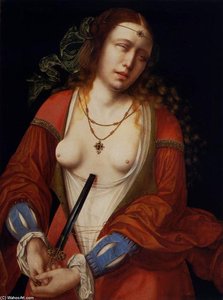
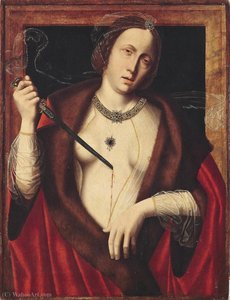
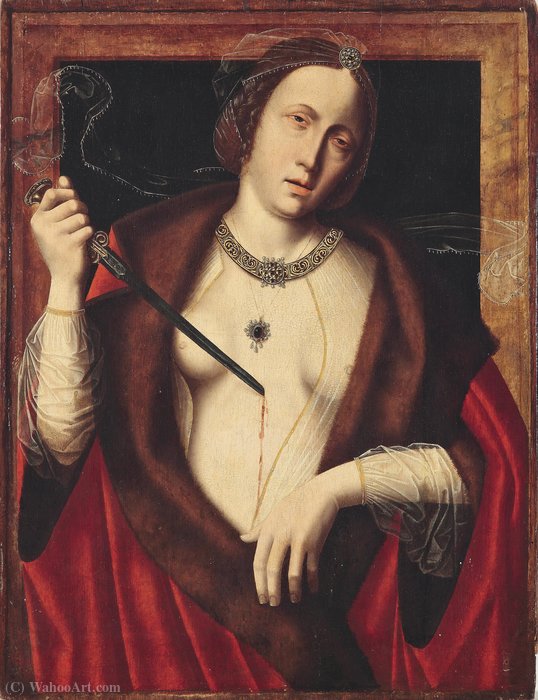
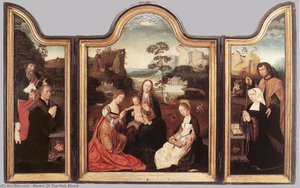
Lukretia
 Read More
Hand Made Oil Reproduction
Hand-painted oil on canvas in your size and frame, made to order by our artists. ( Buy Print Buy Image)




































Pick from our preset sizes that match the artwork's original proportions.

You may enter your own dimensions to fit a specific frame or space. If your selected size does not match the original image's proportions, we will either crop the artwork or extend the painting with additional hand-painted elements. A digital mockup will be sent for your approval before production begins.
Please note that the on-screen preview does not reflect the actual cropping or extension. Only the mockup will accurately show the final composition.
While custom sizes are available, we recommend selecting a dimension from the predefined list to preserve the original proportions.
After order, ArtsDot.com team will email client for instructions and provide a mockup preview
Worldwide Delivery () in 3/4 weeks instead of standard 5 weeks. (20 August). No compromise on quality.

Free Worldwide Express Shipping

High-Quality Linen Canvas

Full Shipping Insurance

Customs Tax Refund Guarantee

True Color Matching Guarantee

60-Day Return Policy (Defects Only)

100% Money-Back Guarantee

Bulk Discount Offer
 Glass option is only available in size under 110 CM

Lukretia
Reproduction Medium
Reproduction Size
-


Total Price
$ 263
Related Artworks
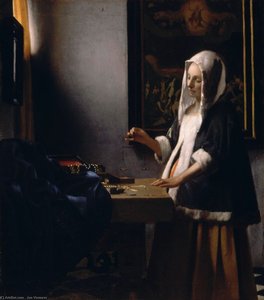
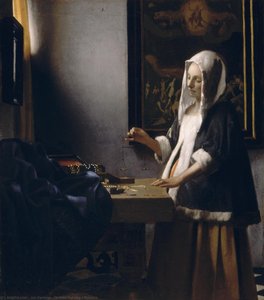
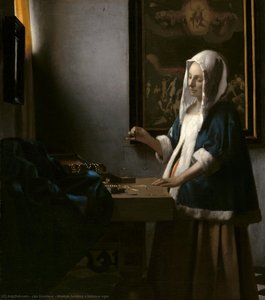

Artist Biography
The Enigmatic Master of the Holy Blood
The identity of the “Master of the Holy Blood” remains one of art history’s most enduring mysteries, a shadowy figure whose workshops flourished in 15th-century Bruges. Active between approximately 1510 and 1520, this artist—more accurately, a collective of painters working under a shared stylistic signature—left behind a remarkable body of work centered around religious themes, particularly scenes from the Passion of Christ. Their paintings, characterized by a poignant blend of Flemish realism and nascent Renaissance ideals, offer a fascinating glimpse into the artistic ferment of the period and continue to captivate viewers with their emotional depth and technical skill.
Little is definitively known about the Master’s life or origins. The name itself stems from two altarpieces created for clients in Frankfurt, Germany, around 1510-1520 – a “Descent from the Cross” and a “Saint Luke Painting the Virgin.” These works, now housed in the Museum of the Holy Blood in Bruges, established the artist’s distinctive style and provided the foundation for subsequent scholarship. The workshop's output reveals a consistent approach: often borrowing directly from earlier Netherlandish masters like Rogier van der Weyden and incorporating elements of Italian Renaissance painting, particularly in their use of light and color. The stylistic evolution within the workshop itself is notable, suggesting a gradual development of techniques and influences over time.
Key Works and Artistic Style
The Master’s most celebrated work, “The Descent from the Cross” (1510-1512), exemplifies their signature style. This emotionally charged composition depicts Christ being lowered from the cross by Joseph of Arimathea and Nicodemus, surrounded by grieving figures. The painting is notable for its dramatic use of light and shadow, creating a sense of profound sorrow and vulnerability. The figures are rendered with meticulous detail, conveying both physical realism and psychological intensity. Subtle influences from Rogier van der Weyden’s work are evident in the composition and rendering of drapery, but the Master introduces a greater emphasis on emotional expression and a more dynamic spatial arrangement.
Another significant painting is “Saint Luke Painting the Virgin” (circa 1512-1513). This scene depicts Saint Luke meticulously recreating the image of the Virgin Mary with the Christ Child, highlighting the artist’s role as both recorder and interpreter of sacred narratives. The composition is carefully balanced, showcasing the skill of the workshop in creating a harmonious and visually engaging image. The use of color is restrained yet effective, contributing to the painting's overall sense of solemnity and reverence.
Beyond these major works, the Master’s output includes numerous altarpieces, panels, and individual portraits, each demonstrating a consistent level of technical proficiency and artistic sensitivity. A recurring motif in their work is the depiction of Mary Magdalene, often portrayed as a figure of profound sorrow and devotion.
Influences and Context
The Master’s style reflects the complex artistic landscape of 15th-century Flanders. They were deeply influenced by the legacy of Early Netherlandish painting, particularly the work of Rogier van der Weyden and Hans Memling. However, they also absorbed elements from Italian Renaissance art, which was beginning to exert a growing influence on European artists during this period. The rise of humanism and the renewed interest in classical antiquity contributed to a shift towards greater naturalism and a more expressive approach to painting.
The workshop’s location in Bruges—a major center for trade and artistic production—provided access to a diverse range of materials, techniques, and influences. Bruges was also home to a thriving community of artists and craftsmen, fostering a dynamic exchange of ideas and skills. The patronage system played a crucial role in the development of the Master’s work, with wealthy merchants and religious institutions commissioning paintings for churches, private chapels, and civic buildings.
Legacy and Historical Significance
Despite the enduring mystery surrounding their identity, the “Master of the Holy Blood” remains an important figure in the history of Early Netherlandish painting. Their works represent a transitional phase between the Gothic and Renaissance styles, embodying a synthesis of traditional Flemish techniques with emerging Italian influences. The emotional intensity and psychological depth of their paintings—particularly scenes from the Passion of Christ—demonstrate a profound understanding of human experience and spiritual devotion.
The Master’s legacy is reflected in the continued study and appreciation of their work by art historians and scholars. Their paintings continue to be exhibited in museums around the world, offering viewers a poignant reminder of the artistic achievements of this enigmatic artist and his workshop. The enduring fascination with the “Master of the Holy Blood” underscores the power of art to evoke emotion, inspire contemplation, and transcend the boundaries of time.
master of the holy blood
Netherlands
Quick Facts
- Artistic Movement Or Style: Proto-Renaissance
- Artists Or Movements Influenced By This Artist: ['Later Netherlandish painters']
- Artists Who Influenced This Artist:
- Rogier van der Weyden
- Quentin Massys
- Full Name: Master of the Holy Blood
- Nationality: Early Netherlandish
- Notable Artworks:
- The Descent from the Cross
- Virgin and Child...
- Saint Luke painting...
- Place Of Birth: Bruges, Belgium