

 Preview
 Send
Send Share
Share
 Details

 Download
 Similars
 X-Ray
X-Ray Diaporama
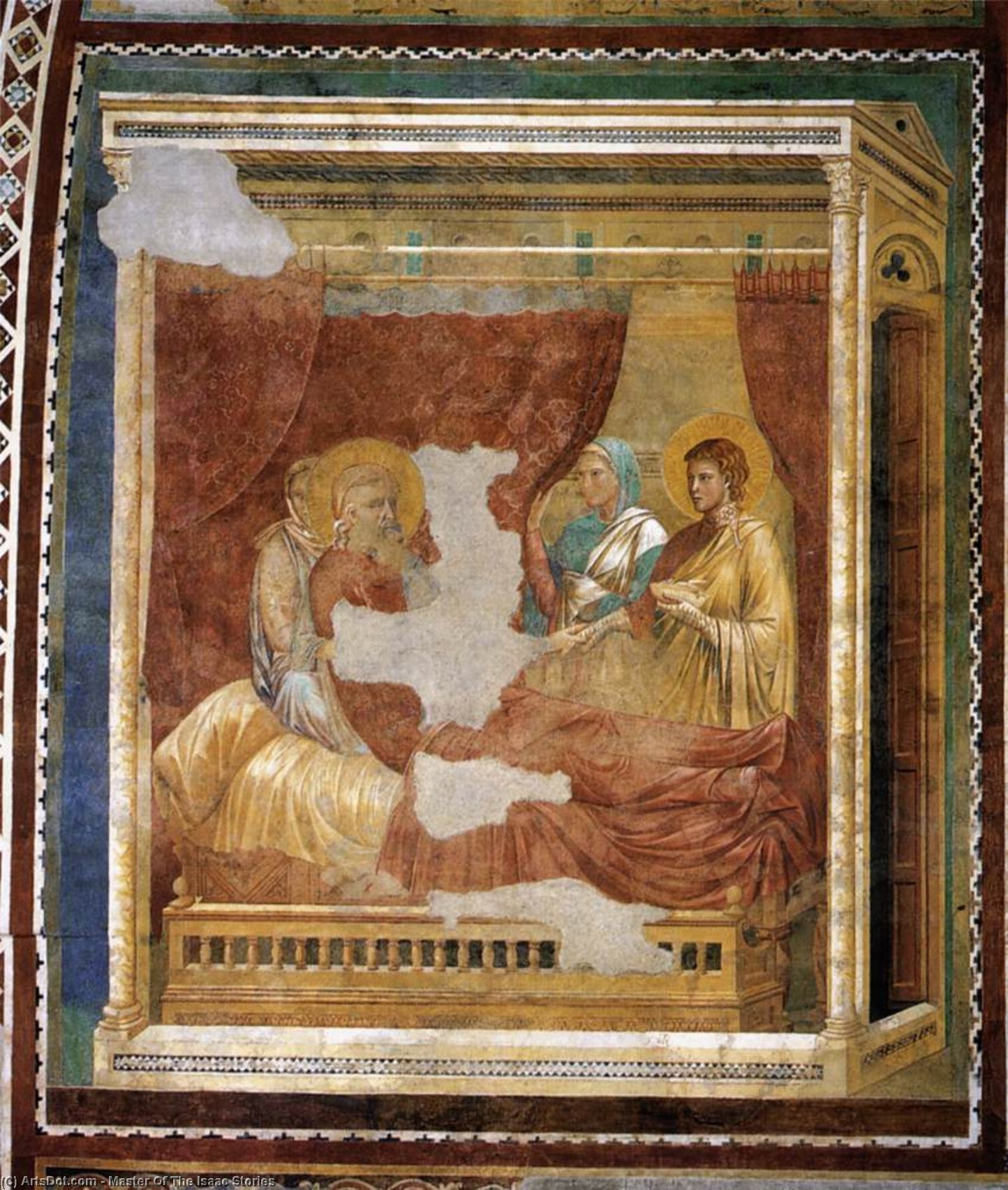
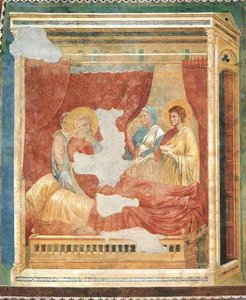
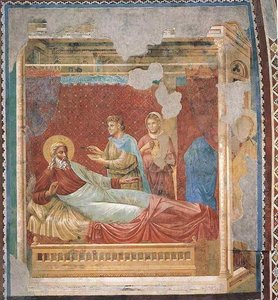
Scenes from the Old Testament: Isaac Blessing Jacob
 1290
1290 300.0 x 300.0 cm
 Read More
Purchase a high-resolution, enhanced digital image, far superior to the online preview.
Each file is meticulously prepared by our in-house specialists using advanced tools and expert manual retouching. We ensure every image has exceptional clarity, precise color accuracy, and fine detail.
The final file is delivered via email within 72 hours, optimized for immediate use in professional, editorial, and print environments. This is the same quality trusted by top-tier design studios, publishers, and galleries.
Digital Image
Download a high-resolution file for personal display, printing, and creative projects. ( Buy Print Buy Hand Made Painting)
Included in Every Digital Image Order
Expert Digital Delivery, Guaranteed
When you choose ArtsDot.com, you're not just getting an image - you're receiving a professionally enhanced digital artwork, crafted with precision and backed by a satisfaction guarantee. Here's everything that comes with your order, automatically:

Fast Email Delivery
Your high-resolution digital image file will be emailed to you within 72 hours of ordering - ready for immediate use.

AI-Enhanced Digital File
Your artwork is professionally optimized using advanced AI tools and manual editing, ensuring maximum detail, clarity, and color accuracy.

Free Lifetime Re-Delivery
Accidentally deleted or lost your file? No worries - we'll resend it to you anytime, free of charge.

No Import Fees - Ever
Enjoy your artwork instantly with zero customs, duties, or delivery fees - digital downloads are always tax-free.

Color Accuracy Guarantee
We ensure your digital image reflects the original colors as closely as possible using professional tools and color management.

60-Day Satisfaction Guarantee
If you're not satisfied with your digital image, we'll revise it or refund 100% within 60 days - no questions asked.

100% Money-Back Guarantee
Not satisfied? Get a full refund within 60 days of receiving your digital file - no questions asked.

Bulk Order Discounts
Buy 3 images, save 10% - Buy 5, save 15% - Buy 10+, save 20%. Great for creative projects, galleries, and agencies.
Related Artworks

![Legend Of St Francis - [03] - Dream Of The Palace — Giotto Di Bondone, Gothic](/media/artworks/images-thumb/47/85/4785472aa265f95fe6962555859f4ab5.jpg)
Artist Biography
The Enigmatic Master of the Isaac Stories
The name “Master of the Isaac Stories” evokes a sense of mystery, a deliberate anonymity shrouding an artist whose vibrant frescoes once adorned the Basilica of San Francesco in Assisi. Active during the 1290s—a pivotal decade bridging the late medieval and proto-Renaissance periods—this painter remains largely unknown beyond the compelling power of his surviving works. Unlike many contemporaries, no documented name or biographical details have surfaced; instead, scholars bestowed this title based on a series of Old Testament scenes featuring Isaac blessing Jacob and rejecting Esau, which occupy a prominent position within the basilica’s upper church. The very lack of personal history contributes to the allure surrounding him, allowing us to focus solely on the artistry itself—a testament to his skill and vision.Assisi and the Context of Creation
To understand the Master of the Isaac Stories, one must first appreciate the artistic climate of Assisi in the late 13th century. The Basilica of San Francesco, commissioned by Saint Francis himself, was already a crucible of innovation, attracting artists eager to translate the saint’s spiritual ideals into visual form. Prior to the arrival of Giotto—whose hand is debated in connection with this master—artists like Cimabue and Jacopo Torriti had begun experimenting with greater naturalism and emotional depth. The basilica's walls were becoming a narrative tapestry, illustrating biblical stories for a largely illiterate populace. It was within this dynamic environment that the Master of the Isaac Stories flourished, contributing to the ongoing evolution of Gothic painting in Italy. His work is deeply embedded within this tradition, yet possesses unique qualities that set it apart.Style and Influences: A Roman Connection
The stylistic characteristics of the frescoes reveal a fascinating blend of influences. While firmly rooted in Byzantine traditions—evident in the use of gold backgrounds, elongated figures, and hierarchical compositions—the Master’s work also displays a burgeoning interest in naturalism and spatial depth. The drapery is rendered with remarkable fluidity, conveying movement and texture, while the faces exhibit a subtle emotional range. A strong Roman influence has been posited by many scholars, suggesting that the artist may have trained or worked in Rome before arriving in Assisi. This connection is supported by iconographic details within the frescoes, which align closely with artistic trends prevalent in the Roman school of painting, particularly those associated with Pietro Cavallini. The dynamic compositions and expressive gestures also hint at a familiarity with classical models, subtly foreshadowing the developments of the Renaissance.The Isaac Cycle: Narrative Power and Symbolism
The frescoes depicting the stories of Isaac—blessing Jacob and rejecting Esau—are the cornerstone of the Master’s known oeuvre. These scenes are not merely illustrations; they are powerful narratives imbued with theological significance. The depiction of Isaac blessing Jacob, despite Jacob's deception of his blind father, highlights themes of divine election and predestination. Conversely, the rejection of Esau underscores the consequences of worldly desires and spiritual indifference. The artist masterfully conveys these complex ideas through carefully chosen gestures, facial expressions, and symbolic details. Rebecca’s presence in both scenes adds another layer of intrigue, representing maternal cunning and a proactive role in fulfilling God's will. Beyond the central narrative, the surrounding figures—witnesses to these pivotal moments—are rendered with individual characterizations, enhancing the dramatic impact of the compositions.Legacy and Historical Significance
The earthquake of 1997 inflicted significant damage upon the frescoes in the Upper Church of San Francesco, including those attributed to the Master of the Isaac Stories. While restoration efforts have been ongoing, much of his work remains fragmented or lost. Despite this loss, the surviving fragments continue to captivate art historians and enthusiasts alike. The debate surrounding the artist’s identity—whether he was a young Giotto, a Roman painter like Gaddo Gaddi, or an independent master—only adds to his mystique. Regardless of his precise origins, the Master of the Isaac Stories occupies a crucial position in the transition from medieval Gothic art to the more naturalistic styles of the Renaissance. His vibrant colors, dynamic compositions, and expressive figures represent a significant step forward in Italian painting, paving the way for the artistic innovations that would define the 14th century and beyond. His work serves as a poignant reminder of the enduring power of art to convey complex narratives and profound spiritual truths. The Master’s legacy lies not only in his technical skill but also in his ability to breathe life into biblical stories, making them accessible and emotionally resonant for generations to come.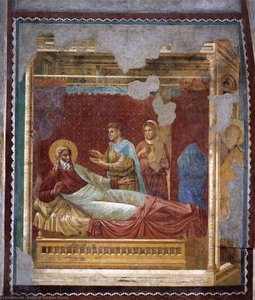
Quick Facts
- Artistic Movement Or Style: Gothic art
- Date Of Death: Living
- Full Name: Master of the Isaac Stories
- Notable Artworks:
- Isaac Rejecting Esau
- The Doctors of the Church (detail)

