

 Preview
 Send
Send Share
Share
 Details

 Download
 Similars
 X-Ray
X-Ray Diaporama
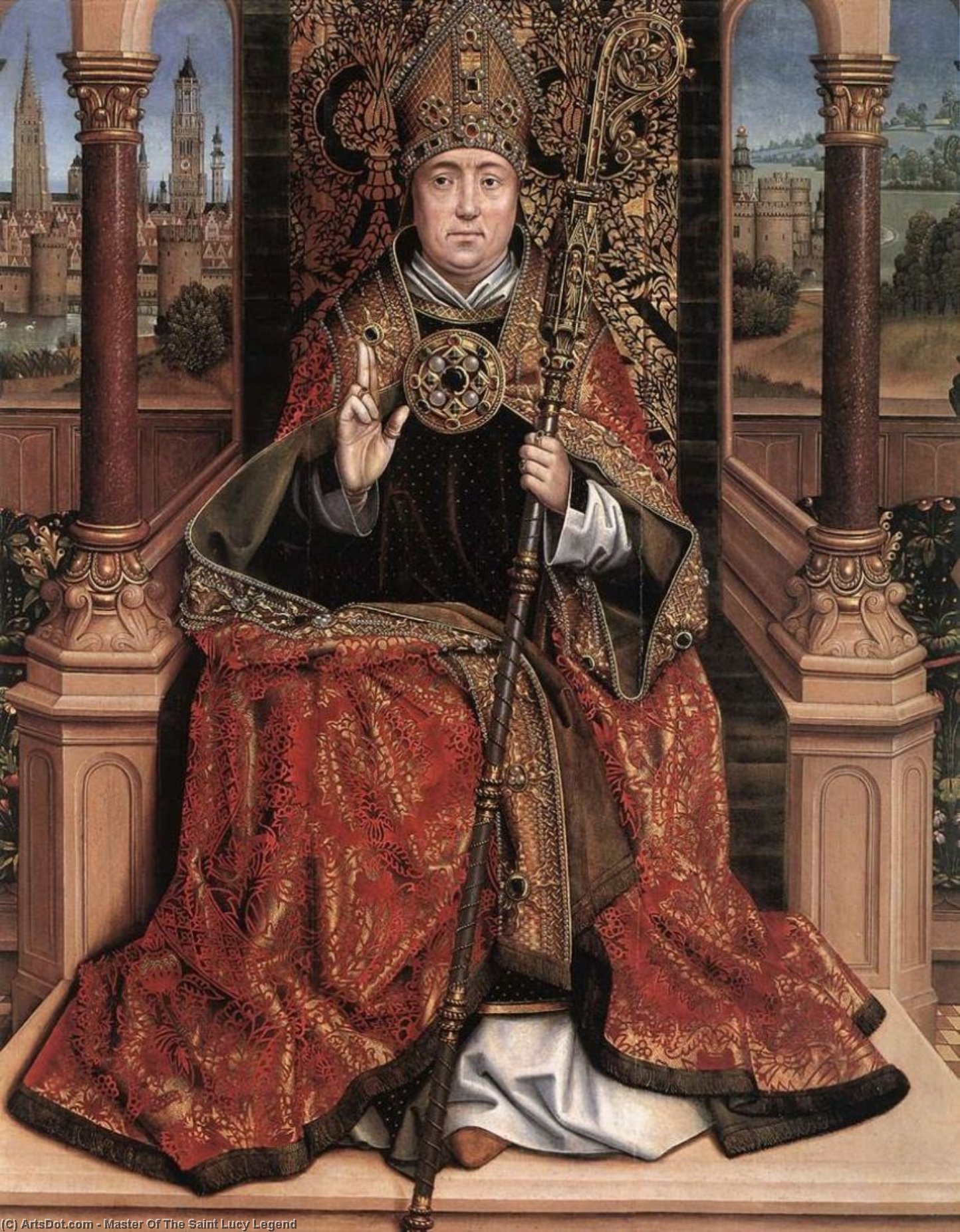
St Nicholas Altarpiece
 Read More
Purchase a high-resolution, enhanced digital image, far superior to the online preview.
Each file is meticulously prepared by our in-house specialists using advanced tools and expert manual retouching. We ensure every image has exceptional clarity, precise color accuracy, and fine detail.
The final file is delivered via email within 72 hours, optimized for immediate use in professional, editorial, and print environments. This is the same quality trusted by top-tier design studios, publishers, and galleries.
Digital Image
Download a high-resolution file for personal display, printing, and creative projects. ( Buy Print Buy Hand Made Painting)
Included in Every Digital Image Order
Expert Digital Delivery, Guaranteed
When you choose ArtsDot.com, you're not just getting an image - you're receiving a professionally enhanced digital artwork, crafted with precision and backed by a satisfaction guarantee. Here's everything that comes with your order, automatically:

Fast Email Delivery
Your high-resolution digital image file will be emailed to you within 72 hours of ordering - ready for immediate use.

AI-Enhanced Digital File
Your artwork is professionally optimized using advanced AI tools and manual editing, ensuring maximum detail, clarity, and color accuracy.

Free Lifetime Re-Delivery
Accidentally deleted or lost your file? No worries - we'll resend it to you anytime, free of charge.

No Import Fees - Ever
Enjoy your artwork instantly with zero customs, duties, or delivery fees - digital downloads are always tax-free.

Color Accuracy Guarantee
We ensure your digital image reflects the original colors as closely as possible using professional tools and color management.

60-Day Satisfaction Guarantee
If you're not satisfied with your digital image, we'll revise it or refund 100% within 60 days - no questions asked.

100% Money-Back Guarantee
Not satisfied? Get a full refund within 60 days of receiving your digital file - no questions asked.

Bulk Order Discounts
Buy 3 images, save 10% - Buy 5, save 15% - Buy 10+, save 20%. Great for creative projects, galleries, and agencies.
Related Artworks
Artist Biography
A Shadow in Bruges: Unraveling the Identity of the Master of the Saint Lucy Legend
The identity of the “Master of the Legend of Saint Lucy” remains one of the most enduring mysteries in 15th-century Netherlandish art. More than just a name, it represents a collection of approximately thirty-five paintings—altarpieces, panels, and devotional images—all sharing a distinctive visual language and a captivating narrative focus: the life and martyrdom of Saint Lucy, the patron saint of the blind. Active primarily in Bruges between 1480 and 1510, this anonymous artist’s work offers a fascinating glimpse into the artistic landscape of early Renaissance Flanders, blending influences from established masters with a subtly unique style that continues to intrigue scholars today.
The earliest attribution to this “Master” came in 1903 thanks to Max Friedländer, who recognized stylistic similarities between an altarpiece depicting Saint Lucy’s legend in the Sint-Jakobskerk of Bruges and a panel of the Virgin among Virgins housed at the Koninklijke Musea voor Schone Kunsten in Brussels. This initial identification sparked decades of research, culminating in a substantial body of work attributed to the artist. However, recent scholarship has challenged some of these earlier assumptions, suggesting that while a consistent style exists, multiple artists may have contributed to the corpus, leading to ongoing debate and meticulous analysis.
A Style Forged in Tradition and Innovation
The paintings attributed to the Master of the Saint Lucy Legend are characterized by a remarkable consistency. They typically depict scenes from the saint’s life—her miraculous healing, her imprisonment and torture for refusing to reveal the location of her eyes, and her eventual veneration as a symbol of faith and charity. The compositions are generally static and formal, reflecting the influence of Rogier van der Weyden and Hugo van der Goes, two towering figures in early Netherlandish painting. However, the Master departs from these predecessors through a deliberate restraint—a coolness of color palette, a lack of dramatic emotion, and an almost clinical precision in rendering detail.
Crucially, the backgrounds frequently feature meticulously rendered views of Bruges itself – the imposing belfry of the St. James Church, the canals reflecting the city’s skyline, and the bustling marketplace. These urban settings are not merely decorative; they serve as a temporal anchor, allowing art historians to date many of the works based on the stage of construction of the city's iconic landmarks. This technique—using architectural elements as chronological markers—has proven invaluable in establishing a timeline for the Master’s career.
Influences and Artistic Connections
Tracing the influences that shaped the Master’s style is a complex undertaking. As mentioned, the works of Rogier van der Weyden and Hugo van der Goes undoubtedly provided a foundational framework. The influence of Hans Memling, another prominent Bruges painter, is also evident in the artist's meticulous attention to detail and his use of rich, jewel-toned pigments. However, there’s evidence suggesting connections with other artists as well – particularly Spanish painters who were active in Bruges during this period, possibly introducing new compositional techniques and decorative motifs.
The Master’s workshop was likely a hub of artistic activity, attracting students and apprentices who contributed to the production of his paintings. While the precise identities of these individuals remain uncertain, their presence undoubtedly enriched the stylistic diversity within the corpus attributed to the Master. The possibility that multiple artists worked under the same name—perhaps even a single artist using a pseudonym—adds another layer of complexity to this enduring mystery.
Major Works and Lasting Significance
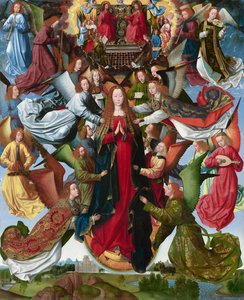
Among the most celebrated works attributed to the Master are the “Virgin among Holy Women” (Koninklijke Musea voor Schone Kunsten, Brussels), a stunning altarpiece depicting the Virgin Mary surrounded by her attendants; the “Saint Lucy Preaching” (National Gallery, London), showcasing the saint’s compassionate ministry to the blind; and the “Mary, Queen of Heaven” (Philadelphia Museum of Art), a captivating portrait of the Virgin as a queen, imbued with an almost regal dignity. These paintings, along with numerous other devotional images, offer a profound insight into the religious beliefs and artistic sensibilities of 15th-century Flanders.
Despite the ongoing debate surrounding his identity, the Master of the Saint Lucy Legend remains a significant figure in the history of early Netherlandish painting. His work exemplifies the fusion of tradition and innovation that characterized the era, demonstrating both a deep respect for established artistic conventions and a willingness to experiment with new techniques and visual approaches. The enduring fascination with this anonymous artist underscores the power of art to evoke mystery, intrigue, and a profound connection to the past.
master of the saint lucy legend
1435 - 1509
Quick Facts
- Artistic Movement Or Style: Early Netherlandish
- Artists Or Movements Influenced By This Artist:
- Bernard van Orley
- Early Netherlandish Painting
- Artists Who Influenced This Artist:
- Dirk Bouts
- Rogier van der Weyden
- Hans Memling
- Date Of Death: 1509
- Full Name: Master of the Legend of Saint Lucy
- Nationality: Flemish
- Notable Artworks:
- Mary, Queen of Heaven
- Altarpiece of the Virgin Mary
- Legend of Saint Lucy
- Place Of Birth: Bruges, Belgium

