

 Preview
 Send
Send Share
Share
 Details

 Download
 Similars
 X-Ray
X-Ray Diaporama
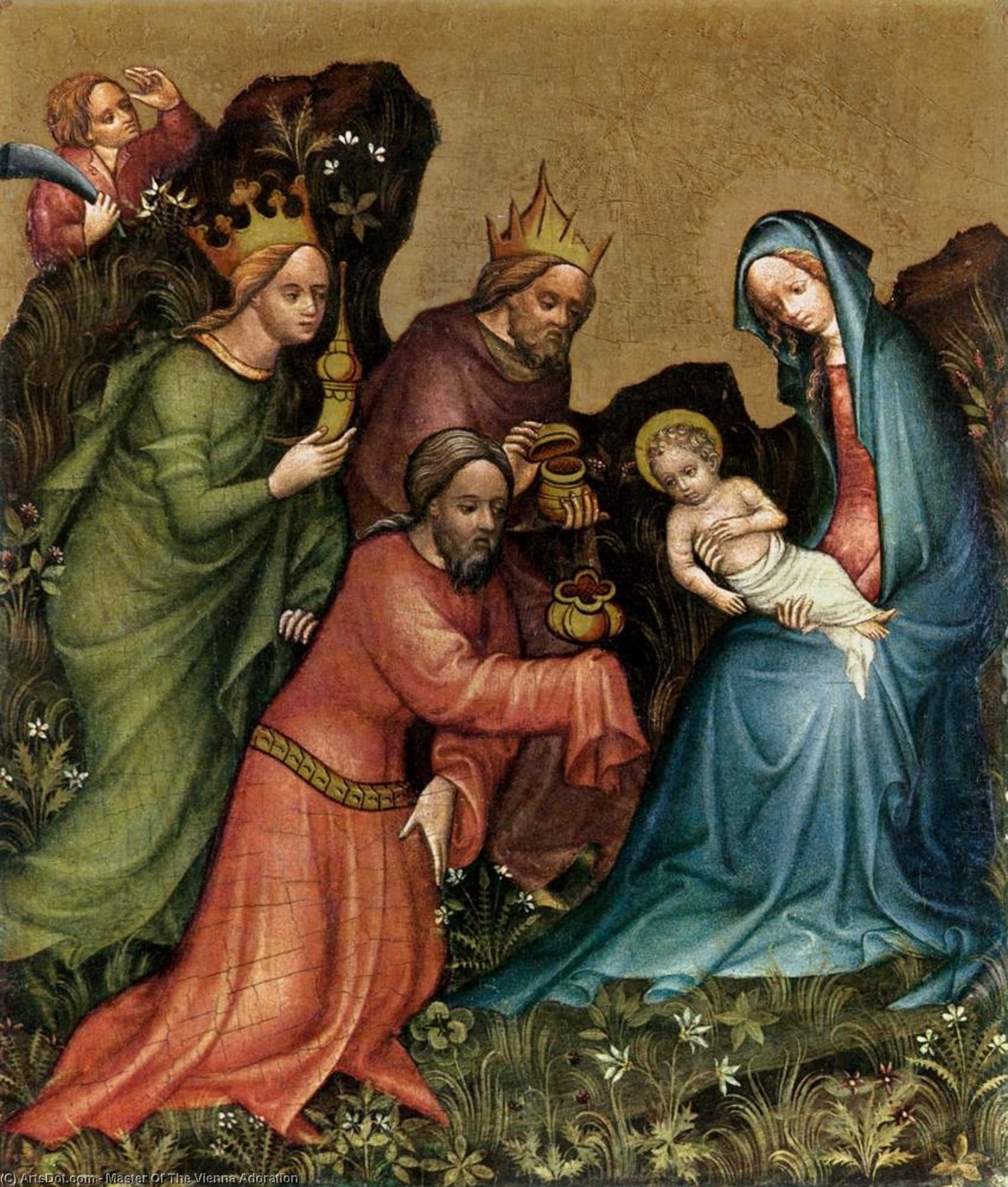
Adoration
 Tempera On Panel
- International Gothic
 1410
1410- Late Medieval
 26.0 x 22.0 cm
 Szépmûvészeti Múzeum
 Read More
Purchase a high-resolution, enhanced digital image, far superior to the online preview.
Each file is meticulously prepared by our in-house specialists using advanced tools and expert manual retouching. We ensure every image has exceptional clarity, precise color accuracy, and fine detail.
The final file is delivered via email within 72 hours, optimized for immediate use in professional, editorial, and print environments. This is the same quality trusted by top-tier design studios, publishers, and galleries.
Digital Image
Download a high-resolution file for personal display, printing, and creative projects. ( Buy Print Buy Hand Made Painting)
Included in Every Digital Image Order
Expert Digital Delivery, Guaranteed
When you choose ArtsDot.com, you're not just getting an image - you're receiving a professionally enhanced digital artwork, crafted with precision and backed by a satisfaction guarantee. Here's everything that comes with your order, automatically:

Fast Email Delivery
Your high-resolution digital image file will be emailed to you within 72 hours of ordering - ready for immediate use.

AI-Enhanced Digital File
Your artwork is professionally optimized using advanced AI tools and manual editing, ensuring maximum detail, clarity, and color accuracy.

Free Lifetime Re-Delivery
Accidentally deleted or lost your file? No worries - we'll resend it to you anytime, free of charge.

No Import Fees - Ever
Enjoy your artwork instantly with zero customs, duties, or delivery fees - digital downloads are always tax-free.

Color Accuracy Guarantee
We ensure your digital image reflects the original colors as closely as possible using professional tools and color management.

60-Day Satisfaction Guarantee
If you're not satisfied with your digital image, we'll revise it or refund 100% within 60 days - no questions asked.

100% Money-Back Guarantee
Not satisfied? Get a full refund within 60 days of receiving your digital file - no questions asked.

Bulk Order Discounts
Buy 3 images, save 10% - Buy 5, save 15% - Buy 10+, save 20%. Great for creative projects, galleries, and agencies.
Collectible Description
A Vision of Devotion: The Enigmatic Master’s Sacred Scene
In the quiet, luminous realm of early fifteenth-century Flemish painting, few works capture the tender intersection of the divine and the earthly as poignantly as Adoration. Created around 1410 by the anonymous hand known to history as the Master of the Vienna Adoration, this exquisite panel serves as a window into a period of profound spiritual transition. The scene unfolds with a breathtaking intimacy, centering on the Virgin Mary as she cradles the infant Jesus. Surrounding this holy nucleus are the three Magi, their presence a testament to the universal recognition of Christ’s divinity, yet they are not alone in their reverence. Angels and saints drift through the composition, creating a celestial hierarchy that feels both grand and deeply personal. Every figure, from the regal kings to the ethereal onlookers, is woven into a tapestry of devotion that transcends the centuries.
The technique employed in this masterpiece is a quintessential expression of the Soft Style, or Beautiful Style, which flourished in Flanders during this era. Through the delicate application of tempera on oak, the artist achieves a luminous quality that seems to radiate from within the wood itself. There is a remarkable subtlety in the modeling of faces and drapery; the transitions between light and shadow are so seamless that the figures possess a gentle, lifable volume. This mastery of light does more than just define form—it imbues the scene with a soft, ethereal glow, as if the very air of the painting is saturated with grace. For the discerning collector or interior designer, this technique offers a sense of depth and atmospheric richness that can transform a space, providing a focal point that invites prolonged, meditative gazing.
Beyond its aesthetic splendor, Adoration is rich with symbolic resonance. Every element, no matter how small, contributes to the narrative of sacrifice and offering. The presence of a single cup placed near the center of the composition serves as a poignant metaphor for the liturgical mysteries, perhaps hinting at the future Eucharist. The gifts brought by the Magi are not merely tokens of wealth, but symbols of the world's submission to a higher spiritual truth. This interplay of material richness and spiritual humility creates an emotional impact that is both humbling and uplifting. It is a work that does not merely depict a historical event, but evokes a feeling of profound peace and sacred wonder.
For those seeking to bring the timeless elegance of the Northern Renaissance into a contemporary setting, a high-quality reproduction of this work offers an unparalleled opportunity. Whether placed in a curated gallery wall or serving as a soulful centerpiece in a sophisticated study, the Adoration brings with it a legacy of craftsmanship and devotion. It is more than a decoration; it is an invitation to experience the quiet majesty of a lost era, making it an essential acquisition for anyone who appreciates art that speaks to the soul.
Related Artworks
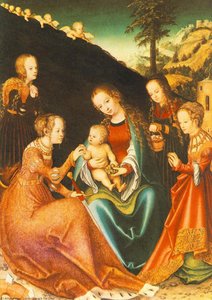
![Adoration Of The Magi — The Younger Zurich Carnation Master [nelkenmeister], Early Renaissance](/media/artworks/images/thumbnails/d0/9c/d09c413b060242debc09f709e76ffab0.jpg)
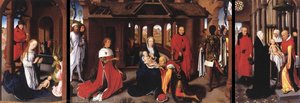
Artist Biography
The Enigmatic Master of the Vienna Adoration
In the quiet, luminous realm of early fifteenth-century Flemish painting, few names evoke as much mystery and reverence as the Master of the Vienna Adoration. To speak his name is to speak of a shadow, an anonymous hand that left behind a trail of breathtaking beauty without ever leaving a signature. This elusive figure remains one of art history’s most captivating puzzles, known to us not through biographical records or personal letters, but through the sheer, undeniable power of his brushwork. His identity remains lost to the mists of time, yet his presence is felt vividly in the tender, sacred scenes that continue to haunt and inspire viewers centuries later.
The moniker bestowed upon him is derived entirely from a single, monumental masterpiece: an exquisite depiction of the Adoration of Christ housed within the Kunsthistorisches Museum in Vienna. This panel, created around 1410, serves as the primary window into his soul. Through this work, we glimpse an artist deeply immersed in the Soft Style—also known as the Beautiful Style—a distinctive aesthetic that flourished in Flanders during the transition from the Middle Ages to the Renaissance. It was a period where the rigid, symbolic grandeur of the Gothic era began to soften, yielding to a new, more humanistic appreciation for naturalism and emotional intimacy.
A Symphony of Light and Devotion
The artistry of the Master is defined by a remarkable ability to capture the intersection of the divine and the earthly. In his celebrated Adoration, the composition unfolds with a breathtaking sense of closeness. The Virgin Mary, cradling the infant Jesus, becomes the heart of a celestial hierarchy where angels and saints drift through a luminous atmosphere. There is a profound tenderness in how he renders the holy figures; they are not merely icons to be worshipped from afar, but living beings capable of deep, palpable emotion.
Technically, the Master was a virtuoso of tempera on oak. His mastery over the medium allowed for a level of detail that feels almost miraculous. One can observe:
- Luminous Color Palettes: The use of subtle modeling and radiant hues that seem to glow from within the wood itself.
- Textural Realism: The way drapery folds ripple with weight and movement, conveying the tactile reality of heavy fabrics.
- Humanized Expressions: A departure from stylized Gothic faces toward portraits that capture reverence, humility, and quiet awe.
This delicate balance between the ethereal and the tangible is what elevates his work above mere religious illustration. He does not simply depict a biblical event; he invites the viewer into a sacred moment of stillness.
Legacy of the International Gothic
While the Master’s personal life remains a void in the historical record, his artistic lineage is clear. His vision was undoubtedly shaped by the traditions of the International Gothic style, drawing subtle influences from masters such as Jean Fouquet and Simone Martini. Yet, he did not merely replicate these styles; he adapted them, infusing the courtly elegance of the era with a burgeoning Flemish naturalism that would pave the way for the great Northern Renaissance painters.
The historical significance of the Master of the Vienna Adoration lies in his role as a bridge. He stood at the threshold of an era, capturing the final, most refined flourishes of Gothic grace while simultaneously embracing the humanistic spirit that would soon define the works of later masters. Though he remains nameless, his contribution to the evolution of European art is indelible. Every time a viewer gazes upon the soft light and tender faces of his compositions, the Master speaks—not through words, but through an enduring, silent eloquence that transcends the anonymity of his name.
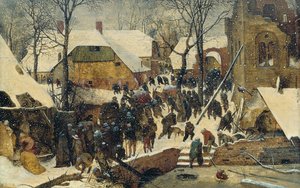
master of the vienna adoration
Austria
Quick Facts
- Artistic Movement Or Style: International Gothic (Soft Style)
- Artists Or Movements Influenced By This Artist: ['Soft Style']
- Artists Who Influenced This Artist: ['Pieter Bruegel']
- Full Name: Master of the Vienna Adoration
- Nationality: Austrian
- Notable Artworks: ['Adoration']
- Place Of Birth: Austria

