 Preview
 Send
Send Share
Share
 Details

 Download
 Similars
 X-Ray
X-Ray Diaporama
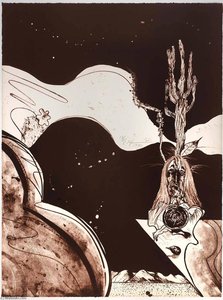
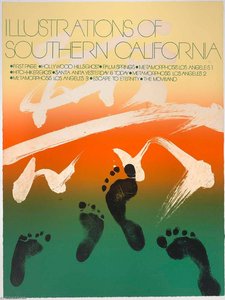
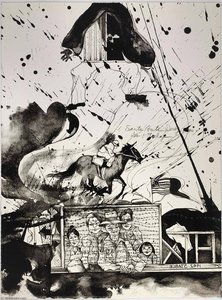
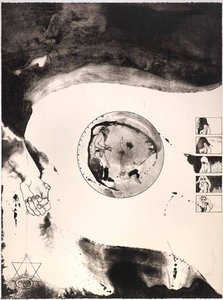
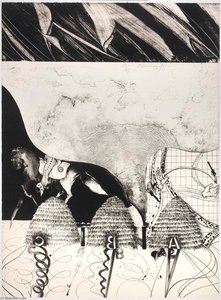
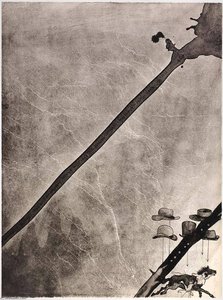
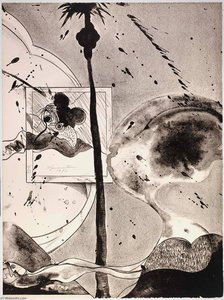
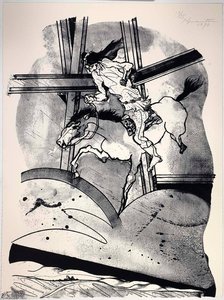
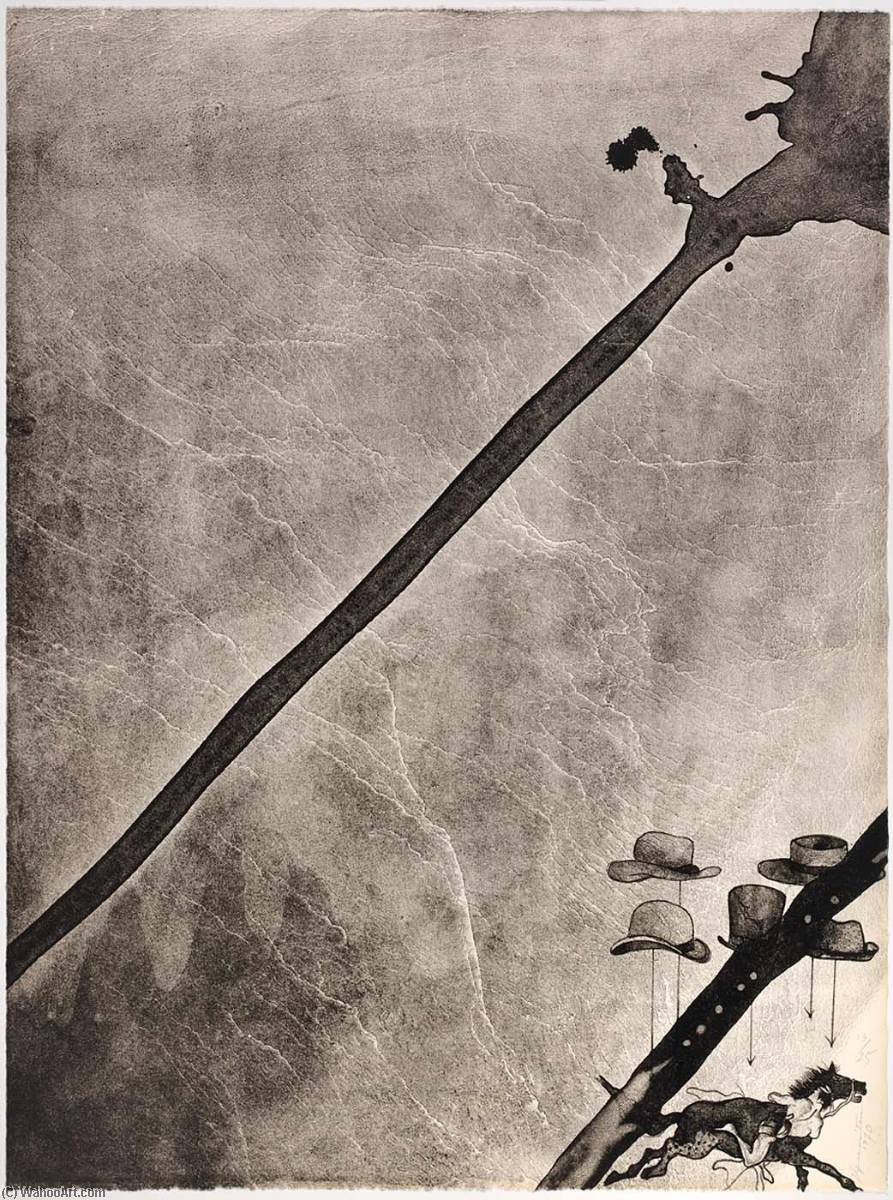
Escape to Eternity (portfolio illustration of Southern Ca.)

 Read More
Hand Made Oil Reproduction
Hand-painted oil on canvas in your size and frame, made to order by our artists. ( Buy Print Buy Image)




P118B $10

P118H $10

P118W $10

P438Z $10

P508JH $12

P508YH $12

P805H $10

P805Z $10

P919BZ $10

P919G $10

P919XJ $10

P959ZH $10

P968JZ $12

W106C $8

W218G $10

W218JH $8

W218Y $10

W307PJ $10

W316G $10

W316PJ $8

W316Y $10

W398PJ $8

W4111J $10

W500HY $15

W500JH $15

W692G $12

W849H $8

W940BG $15

W953PJ $8




Pick from our preset sizes that match the artwork's original proportions.

You may enter your own dimensions to fit a specific frame or space. If your selected size does not match the original image's proportions, we will either crop the artwork or extend the painting with additional hand-painted elements. A digital mockup will be sent for your approval before production begins.
Please note that the on-screen preview does not reflect the actual cropping or extension. Only the mockup will accurately show the final composition.
While custom sizes are available, we recommend selecting a dimension from the predefined list to preserve the original proportions.
After order, ArtsDot.com team will email client for instructions and provide a mockup preview
Worldwide Delivery () in 3/4 weeks instead of standard 5 weeks. (3 September). No compromise on quality.

Free Worldwide Express Shipping

High-Quality Linen Canvas

Full Shipping Insurance

Customs Tax Refund Guarantee

True Color Matching Guarantee

60-Day Return Policy (Defects Only)

100% Money-Back Guarantee

Bulk Discount Offer
 Glass option is only available in size under 110 CM

Escape to Eternity (portfolio illustration of Southern Ca.)
Reproduction Medium
Reproduction Size
-


Total Price
$ 263
A Glimpse into Tranquility: "Escape to Eternity"
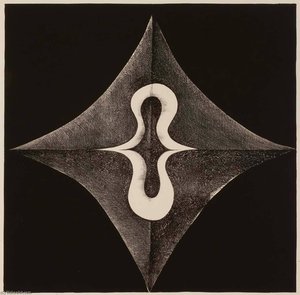
Matsumi Kanemitsu's "Escape to Eternity" is a captivating black and white portfolio illustration that transports viewers to a serene Southern California landscape. This evocative work, likely created as part of a larger series depicting the region’s unique character, showcases Kanemitsu’s masterful ability to capture atmosphere and emotion through stark contrasts and meticulous detail. The image centers around a solitary tree, its branches laden with an unusual assortment of cups – a recurring motif in Kanemitsu's work that invites contemplation. Two additional birds are subtly placed within the composition, adding depth and a sense of watchful presence.Style & Technique: Evocative Realism
Kanemitsu’s style is best described as evocative realism. While grounded in observational detail – note the precise rendering of the tree bark and the delicate positioning of the cups – his work transcends mere representation. The black and white palette amplifies the emotional impact, creating a dreamlike quality that suggests introspection rather than straightforward documentation. The technique employed likely involved meticulous drawing or etching, resulting in fine lines and subtle gradations of tone that contribute to the image's overall sense of quietude. This isn’t about photographic accuracy; it’s about conveying feeling through form and light.Symbolism & Context: Hollywood Dreams and Japanese Heritage
"Escape to Eternity," like much of Kanemitsu’s work, is deeply rooted in his experiences as a Japanese American artist navigating the landscape of Southern California – specifically Hollywood and Palm Springs. The cups hanging from the tree are open to interpretation, but they often symbolize offerings or vessels for memory, perhaps reflecting themes of cultural identity, displacement, and longing. The birds could represent freedom, spirituality, or even fleeting moments of beauty within a sometimes-artificial environment. Kanemitsu’s “Metamorphosis” series, mentioned in his artist profile, further explores these themes of transformation and the interplay between nature and human creation. The choice of black and white also speaks to a timeless quality, suggesting an escape from the transient nature of Hollywood glamour into something more enduring.Emotional Impact & Decorative Appeal
"Escape to Eternity" evokes a profound sense of tranquility and introspection. The starkness of the monochrome palette combined with the unusual imagery creates a captivating visual experience that lingers in the mind. This piece is not merely decorative; it's an invitation to pause, reflect, and consider the deeper meanings embedded within the seemingly simple scene. As a reproduction, this artwork would be stunning as a focal point in a modern living room, study, or gallery space – its understated elegance lending a touch of sophistication and quiet contemplation to any interior design scheme. The absence of color allows it to seamlessly integrate with various palettes and styles, making it a versatile choice for collectors and designers alike.Related Artworks



Artist Biography
Early Life and Transcultural Beginnings
Matsumi “Mike” Kanemitsu’s life was a compelling narrative of displacement, resilience, and artistic synthesis—a journey that spanned continents and cultures before finding its most potent expression in the landscapes of Southern California. Born in 1922 in Ogden, Utah, to Japanese immigrant parents, his early childhood took an unexpected turn when he was sent to live with his grandparents in a rural suburb of Hiroshima, Japan, at the tender age of three. This formative period immersed him in traditional Japanese aesthetics and sensibilities, fostering a deep connection to sumi-e brush painting—a discipline that would remain a cornerstone of his artistic vocabulary throughout his life.
His return to the United States in 1940 was marked by a growing sense of cultural duality. He briefly attended school in Utah before taking on manual labor, working on railroads and in copper mines, experiences that instilled a pragmatic sensibility alongside his burgeoning artistic inclinations. The looming shadow of World War II irrevocably altered his trajectory. Enlisting in the U.S. Army in 1941 with patriotic fervor, Kanemitsu soon found himself caught in the maelstrom of anti-Japanese sentiment following the attack on Pearl Harbor.
Internment and Artistic Awakening
The shock of internment—arrested and confined within military camps alongside thousands of other Japanese Americans—was a profoundly traumatic experience. Yet, even amidst this injustice, Kanemitsu’s artistic spirit refused to be extinguished. Provided with art supplies by the American Red Cross, he began drawing prolifically, transforming personal hardship into a means of self-expression and documentation. This period marked his first formal foray into artmaking, laying the groundwork for his later explorations.
His service evolved from confinement to deployment as a hospital assistant in Europe, where exposure to modernist masters like Pablo Picasso and Henri Matisse ignited new creative possibilities. The war years, despite their inherent pain, became an unlikely crucible for artistic development—a period of intense introspection and burgeoning talent that would shape his post-war aesthetic.
New York Exploration and the Fusion of Styles
Upon returning to the United States in 1946, Kanemitsu immersed himself in the vibrant postwar art scene of New York City. He studied with Karl Metzler in Baltimore before pursuing formal training under Yasuo Kuniyoshi at the Art Students League. Kuniyoshi, a fellow Japanese American artist, became a crucial mentor, guiding Kanemitsu to reconcile his cultural heritage with the prevailing currents of Abstract Expressionism.
Kanemitsu’s New York period was characterized by an ambitious synthesis of Eastern and Western artistic traditions. He absorbed the energy of Pollock, de Kooning, and Rauschenberg, while simultaneously retaining a deep reverence for Japanese ink painting techniques. This fusion resulted in a unique visual language—a dynamic interplay of abstraction, gesture, and calligraphic precision.
Los Angeles: Portfolio Illustrations and Metamorphosis
In the early 1960s, Kanemitsu sought a change of scenery, relocating to Los Angeles, which would become his permanent home. This move proved pivotal in defining his mature style. He quickly established himself as an artist-in-residence at Chouinard Art Institute and later Otis Art Institute, becoming a respected educator alongside his artistic pursuits.
His most celebrated work emerged during this period—a series of evocative portfolio illustrations capturing the essence of Southern California’s Hollywood and Palm Springs. These black and white images, often imbued with a sense of melancholy and longing, explored themes of glamour, alienation, and the ephemeral nature of dreams. The ‘Metamorphosis’ series, in particular, stands as a testament to his ability to transform personal experiences into universal symbols—dynamic compositions that reflect both the beauty and the underlying anxieties of modern life.
Legacy and Historical Significance
Matsumi Kanemitsu's artistic legacy extends beyond his captivating portfolio illustrations. He was a bridge between cultures, seamlessly blending Japanese aesthetics with American Abstract Expressionism and Pop art sensibilities. His work challenged conventional boundaries, offering a nuanced perspective on identity, displacement, and the search for meaning in a rapidly changing world.
His experiences as an internment camp survivor—a story often overlooked in mainstream art history—lend a profound emotional depth to his oeuvre. Kanemitsu’s ability to transform personal trauma into compelling visual narratives resonates deeply with contemporary audiences, solidifying his position as a significant figure in 20th-century American art. He left behind a body of work that continues to inspire and provoke, reminding us of the power of art to transcend cultural barriers and illuminate the complexities of the human condition.
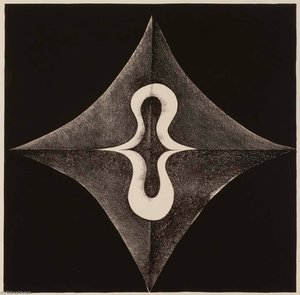
matsumi kanemitsu
1922 - 1992
Quick Facts
- Artistic Movement Or Style: Abstract Expressionism
- Artists Or Movements Influenced By This Artist: ['Jackson Pollock']
- Artists Who Influenced This Artist:
- Fernand Léger
- Yasuo Kuniyoshi
- Date Of Birth: May 28, 1922
- Full Name: Matsumi Kanemitsu
- Nationality: Japanese American
- Notable Artworks:
- Metamorphosis Los Angeles 1
- Escape to Eternity
- Place Of Birth: Ogden, Utah
Related Articles

White on Canvas: 10 Masterpieces & Timeless Elegance for Your Home Decor
Explore 10 iconic white paintings by Monet, Whistler & Rothko! Discover the stories behind these serene masterpieces and their impact on art history. Find museum-quality reproductions for your home decor at .

Dark Masterpieces: 10 Iconic Paintings Dominated by Black Tones |
Explore 10 iconic paintings dominated by black tones, from Rembrandt’s chiaroscuro to Goya's dark expressions. Discover the stories behind these masterpieces & find museum-quality art reproductions for your home at .

Monochrome Visions: Exploring the Aesthetic & Historical Significance of Black & White Photography
Explore the rich history & artistic power of black and white photography. From early techniques to iconic masters like Ansel Adams, discover why monochrome continues to captivate art lovers today. Expert insights for collectors.

Timeless & Chic: Elevating Your New Home with the Sophistication of Black and White Photography
Transform your new home with the timeless allure of black and white photography. ArtsDot.com specializes in elegant monochrome decor and custom hand-painted wedding portraits that turn cherished milestones into lasting, soulful masterpieces. Elevate your space with ease.

Mars Black Masterpieces: 10 Iconic Paintings & Timeless Art Decor Ideas
Delve into the power of 'Mars Black' with 10 iconic paintings by masters like Rembrandt & Caravaggio. Explore dramatic chiaroscuro, gothic art, and timeless beauty. Find museum-quality reproductions & elevate your home decor on .