 Preview
 Send
Send Share
Share
 Details

 Download
 Similars
 X-Ray
X-Ray Diaporama
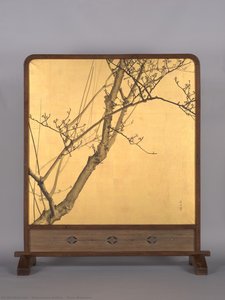
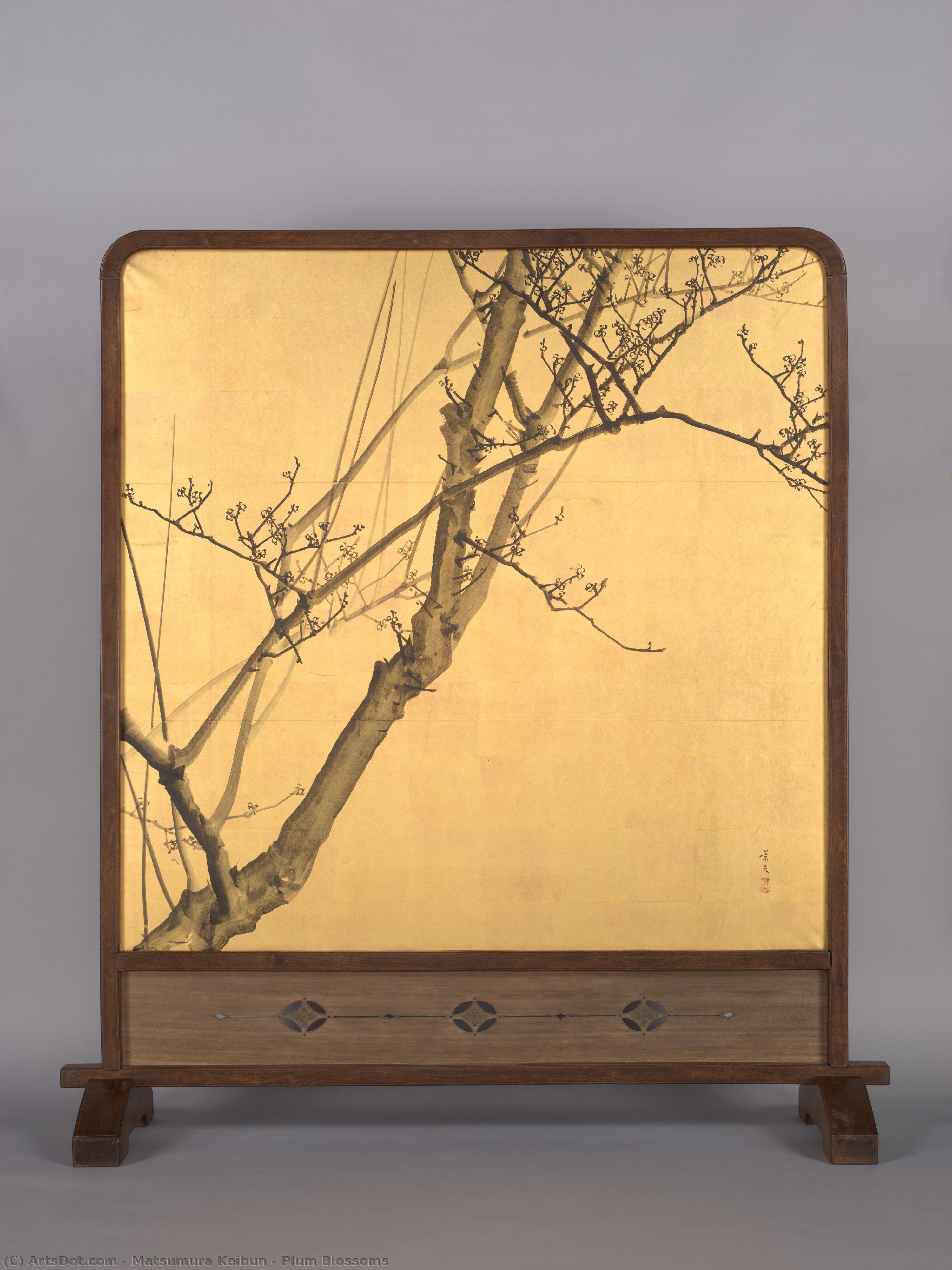
Plum Blossoms

 Read More
Hand Made Oil Reproduction
Hand-painted oil on canvas in your size and frame, made to order by our artists. ( Buy Print Buy Image)




































Pick from our preset sizes that match the artwork's original proportions.

You may enter your own dimensions to fit a specific frame or space. If your selected size does not match the original image's proportions, we will either crop the artwork or extend the painting with additional hand-painted elements. A digital mockup will be sent for your approval before production begins.
Please note that the on-screen preview does not reflect the actual cropping or extension. Only the mockup will accurately show the final composition.
While custom sizes are available, we recommend selecting a dimension from the predefined list to preserve the original proportions.
After order, ArtsDot.com team will email client for instructions and provide a mockup preview
Worldwide Delivery () in 3/4 weeks instead of standard 5 weeks. (20 August). No compromise on quality.

Free Worldwide Express Shipping

High-Quality Linen Canvas

Full Shipping Insurance

Customs Tax Refund Guarantee

True Color Matching Guarantee

60-Day Return Policy (Defects Only)

100% Money-Back Guarantee

Bulk Discount Offer
 Glass option is only available in size under 110 CM

Plum Blossoms
Reproduction Medium
Reproduction Size
-


Total Price
$ 263
Artwork Description
Related Artworks
Artist Biography
Matsumura Keibun: Life and Legacy
Early Life and Training
Matsumura Keibun (1779-1843) was a prominent Japanese painter active during the Edo period. Born in Kyoto, Japan, he came from an artistic family. He was the younger half-brother of Matsumura Goshun, who founded the influential Shijō school of painting. Keibun received his initial art education directly from Goshun, laying the foundation for his future style and career.
Artistic Development and Style
Keibun began exhibiting his work as early as 1796, demonstrating a precocious talent. His style closely mirrored that of his half-brother Goshun, but developed a lighter and more manneristic quality over time. While rooted in traditional Japanese painting techniques, Keibun’s approach possessed a distinctive elegance and refinement. He was skilled in various genres, including landscapes, figure paintings, and particularly excelled in kachō-ga (bird-and-flower painting).
Major Achievements and Works
- Inheritance of Goshun’s Studio: Upon Goshun's death in 1811, Keibun inherited his studio, solidifying his position within the Shijō school.
- ‘Go Keibun gafu’: In 1829, he published ‘Go Keibun gafu’ (Keibun's art of painting), an illustrated book that significantly contributed to establishing and promoting Goshun’s artistic principles.
- Gion Matsuri Float Paintings: A notable achievement was his creation of bird paintings on the ceiling of the ‘naginata-hoko’ (long sword halberd) float for the Gion Matsuri festival in 1829. These paintings remain in use today, a testament to their enduring quality.
- ‘Shiki Kōsaku-zu’: Perhaps his most celebrated work is the set of fusuma (sliding doors) at Myōhō–ji temple, depicting ‘Cultivation in the Four Seasons’. These paintings showcase Keibun’s mastery of composition and detail.
Influences and Historical Significance
Keibun was profoundly influenced by his half-brother, Goshun, whose style he initially emulated. However, he gradually developed a unique artistic voice within the Shijō school tradition. His work reflects the aesthetic preferences of Kyoto during the late Edo period, characterized by elegance and refinement.
Keibun’s contribution lies in his skillful continuation and subtle evolution of the Shijō school style. He helped to solidify Goshun's legacy while adding his own distinctive touch. His paintings are now held in numerous prestigious museums worldwide, including the British Museum, the Metropolitan Museum of Art, and the Seattle Art Museum, demonstrating his lasting impact on Japanese art history.
Later Life and Legacy
Beyond his artistic pursuits, Keibun also served as chief priest at the Myōhō-in temple in Kyoto. He passed away on May 25, 1843, and was initially interred at Daitsū-ji before being moved to Konpuku-ji, a more esteemed Zen temple. His work continues to be admired for its beauty, technical skill, and historical significance.
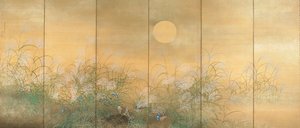
Matsumura Keibun
1779 - 1843 , Japan
Quick Facts
- Birth Date: 1779
- Birth Place: Kyoto, Japan
- Death Date: 1843-05-25
- Influenced By: Matsumura Goshun
- Movement: Shijō school
- Name: Matsumura Keibun
- Nationality: Japanese
- Notable Works: Shiki Kōsaku-zu (Four Seasons Cultivation)