

 Preview
 Send
Send Share
Share
 Details

 Download
 Similars
 X-Ray
X-Ray Diaporama
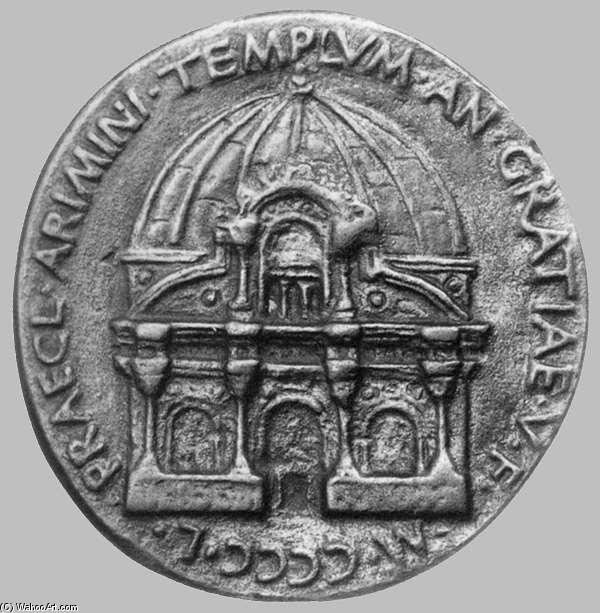
Tempio Malatestiana


 Read More
Purchase a high-resolution, enhanced digital image, far superior to the online preview.
Each file is meticulously prepared by our in-house specialists using advanced tools and expert manual retouching. We ensure every image has exceptional clarity, precise color accuracy, and fine detail.
The final file is delivered via email within 72 hours, optimized for immediate use in professional, editorial, and print environments. This is the same quality trusted by top-tier design studios, publishers, and galleries.
Digital Image
Download a high-resolution file for personal display, printing, and creative projects. ( Buy Print Buy Hand Made Painting)
Included in Every Digital Image Order
Expert Digital Delivery, Guaranteed
When you choose ArtsDot.com, you're not just getting an image - you're receiving a professionally enhanced digital artwork, crafted with precision and backed by a satisfaction guarantee. Here's everything that comes with your order, automatically:

Fast Email Delivery
Your high-resolution digital image file will be emailed to you within 72 hours of ordering - ready for immediate use.

AI-Enhanced Digital File
Your artwork is professionally optimized using advanced AI tools and manual editing, ensuring maximum detail, clarity, and color accuracy.

Free Lifetime Re-Delivery
Accidentally deleted or lost your file? No worries - we'll resend it to you anytime, free of charge.

No Import Fees - Ever
Enjoy your artwork instantly with zero customs, duties, or delivery fees - digital downloads are always tax-free.

Color Accuracy Guarantee
We ensure your digital image reflects the original colors as closely as possible using professional tools and color management.

60-Day Satisfaction Guarantee
If you're not satisfied with your digital image, we'll revise it or refund 100% within 60 days - no questions asked.

100% Money-Back Guarantee
Not satisfied? Get a full refund within 60 days of receiving your digital file - no questions asked.

Bulk Order Discounts
Buy 3 images, save 10% - Buy 5, save 15% - Buy 10+, save 20%. Great for creative projects, galleries, and agencies.
Collectible Description
Tempio Malatestiano - A Renaissance Vision of Faith and Patronage
The Tempio Malatestiano stands as a testament to the ambition and artistic sensibilities of the Italian Renaissance, specifically embodied in the patronage of Sigismondo Pandolfo Malatesta and championed by the visionary architect Leon Battista Alberti. Completed around 1450, this cathedral church represents more than just a religious edifice; it’s a meticulously crafted symbol of humanist ideals and royal prestige—a project that irrevocably altered Rimini's architectural landscape.
- Historical Context: Situated in the Duchy of Rimini during a turbulent period marked by papal disputes and dynastic rivalries, the Tempio Malatestiano reflects the broader intellectual currents of its time. Alberti’s embrace of classical proportions—drawing inspiration from Roman temples like the Pantheon—was driven by the humanist movement's fervent desire to revive Greco-Roman aesthetics and philosophy.
- Architectural Design: Alberti conceived of the Tempio Malatestiano as a monumental achievement, mirroring the grandeur of Rome’s imperial past. The dome, modeled after the Pantheon, dominates the skyline, symbolizing divine authority and elevating the spiritual aspirations of Rimini’s inhabitants. Its construction was overseen by Matteo di Andrea de' Pasti, who skillfully blended Gothic traditions with innovative techniques to realize Alberti’s ambitious vision.
- Sculptural Elements: The cathedral is adorned with sculptures crafted by Matteo di Andrea de' Pasti and his workshop, reflecting the humanist preoccupation with idealized human form and conveying profound religious narratives. Notable among these are monumental statues depicting saints and biblical figures, demonstrating masterful craftsmanship and artistic skill.
- Symbolism: Beyond its architectural magnificence, the Tempio Malatestiano embodies Christian symbolism—particularly the veneration of St. Francis—representing humility, piety, and devotion. The temple’s design serves as a visual articulation of spiritual beliefs and aspirations, reflecting the humanist conviction that art could illuminate moral truths.
- Technique: Matteo di Andrea de' Pasti employed advanced construction methods for his time, utilizing innovative techniques to achieve structural stability and aesthetic beauty. The dome’s construction involved complex calculations and engineering feats—a remarkable accomplishment considering the technological limitations of the fifteenth century.
The Tempio Malatestiano continues to inspire awe and admiration as a masterpiece of Renaissance architecture and sculpture. Its enduring legacy resides not only in its physical grandeur but also in its profound artistic expression—a testament to the transformative power of humanist ideals and the unwavering pursuit of excellence.
Related Artworks





Artist Biography
Matteo di Andrea de' Pasti: Sculptor of Renaissance Splendor
Matteo di Andrea de’ Pasti (c. 1420 – after 1468/1469) stands as a pivotal figure in the artistic landscape of Verona and the broader Italian Renaissance, renowned primarily for his monumental sculptures and intricately crafted medals that embody the ideals of humanist artistry and royal patronage. Born in Verona, Italy, he emerged from a tradition steeped in Veronese sculptural excellence, inheriting techniques honed by masters like Giovanni Battista Falcone and Andrea Mantegna—skills which would prove instrumental in shaping his distinctive style. His formative years were marked by exposure to the intellectual ferment of the era, fueled by humanist scholarship and artistic innovation emanating from Florence under Lorenzo de’ Medici. This influence is palpable in his embrace of classical proportions and idealized forms, mirroring the stylistic trends championed by Alberti and Brunelleschi. Notably, he collaborated closely with Leone Battista Alberti on the ambitious Tempio Malatestiano in Rimini—a project that cemented his reputation as a visionary architect-sculptor duo. Together, they conceived and executed a breathtaking edifice incorporating innovative structural solutions alongside stunning sculptural decoration, establishing a benchmark for Renaissance grandeur. Pasti’s prolific output spanned commissions from influential patrons like Lionello d'Este and Sigismondo Pandolfo Malatesta, reflecting the flourishing artistic environment of his time. His sculptures celebrated both religious piety and civic pride, often depicting saints and biblical figures with remarkable realism and emotional depth. The Tempio Malatestiano itself houses several monumental sculptures by Pasti—including a colossal statue of Saint Francis—demonstrating his mastery of scale and expressive power. Furthermore, he produced numerous portraits and busts for noble families across Italy, capturing the likenesses of prominent individuals with meticulous detail and conveying their character through subtle gestures and facial expressions. Beyond sculpture, Matteo de’ Pasti achieved considerable acclaim as a medalist, producing exquisitely crafted coins and commemorative medallions that served as emblems of royal authority and artistic prestige. His medals showcased exceptional technical skill—particularly in embossing techniques—resulting in surfaces adorned with shimmering relief that captivated viewers. These works are now housed in prestigious museums worldwide, including the Cleveland Museum of Art and the British Museum, guaranteeing their enduring legacy as masterpieces of Renaissance metalwork. His contribution to art history extends beyond individual pieces; Pasti’s work embodies the humanist spirit of the Renaissance—a commitment to observation, reason, and the pursuit of beauty informed by classical ideals. He remains a testament to the transformative power of artistic collaboration and the ability of sculptors to elevate architectural spaces into symbols of civic virtue and spiritual contemplation.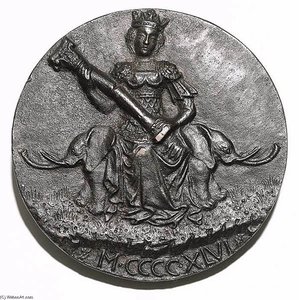
Quick Facts
- Artistic Movement Or Style: Renaissance
- Artists Or Movements Influenced By This Artist: ['Leone Battista Alberti']
- Date Of Birth: Verona, Italy ()
- Date Of Death: Living
- Full Name: Matteo di Andrea de' Pasti
- Nationality: Italian
- Notable Artworks:
- Bust of Leon Battista Alberti
- Fortitude, seated on two elephants (reverse)
- Tempio Malatestiana
- Place Of Birth: Verona

