 Preview
 Send
Send Share
Share
 Details

 Download
 Similars
 X-Ray
X-Ray Diaporama
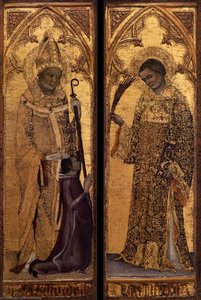
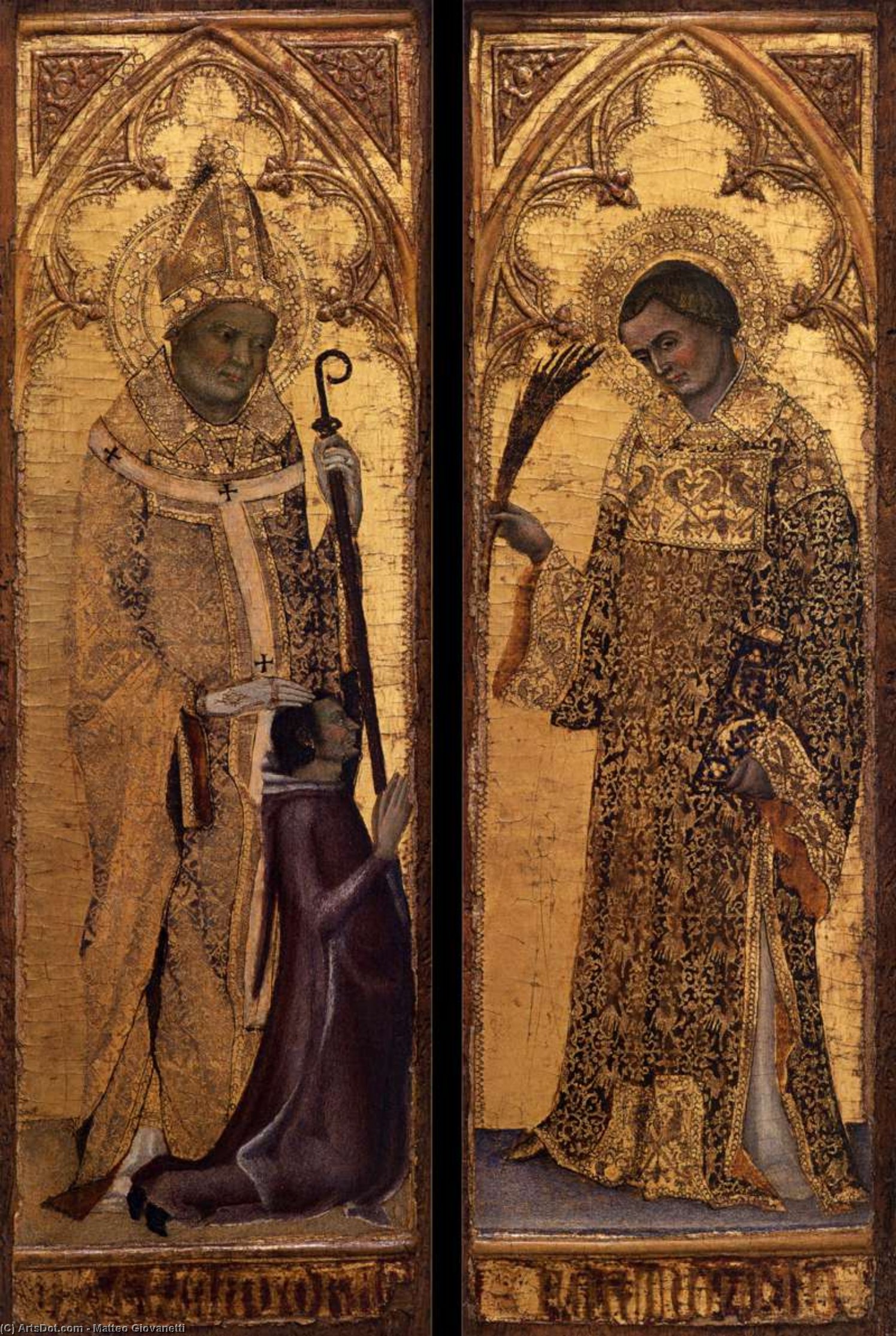
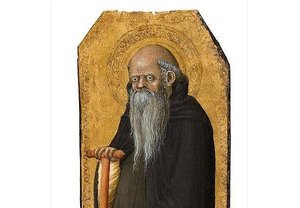
St Hermagoras and a Donor St Fortunatus
 Tempera On Panel
- Early Italian Renaissance
 1345
1345- Late Medieval
 55.0 x 18.0 cm
 Museo Correr
 Read More
Hand Made Oil Reproduction
Hand-painted oil on canvas in your size and frame, made to order by our artists. ( Buy Print Buy Image)




P118B $10

P118H $10

P118W $10

P438Z $10

P508JH $12

P508YH $12

P805H $10

P805Z $10

P919BZ $10

P919G $10

P919XJ $10

P959ZH $10

P968JZ $12

W106C $8

W218G $10

W218JH $8

W218Y $10

W307PJ $10

W316G $10

W316PJ $8

W316Y $10

W398PJ $8

W4111J $10

W500HY $15

W500JH $15

W692G $12

W849H $8

W940BG $15

W953PJ $8




Pick from our preset sizes that match the artwork's original proportions.

You may enter your own dimensions to fit a specific frame or space. If your selected size does not match the original image's proportions, we will either crop the artwork or extend the painting with additional hand-painted elements. A digital mockup will be sent for your approval before production begins.
Please note that the on-screen preview does not reflect the actual cropping or extension. Only the mockup will accurately show the final composition.
While custom sizes are available, we recommend selecting a dimension from the predefined list to preserve the original proportions.
After order, ArtsDot.com team will email client for instructions and provide a mockup preview
Worldwide Delivery () in 3/4 weeks instead of standard 5 weeks. (26 August). No compromise on quality.

Free Worldwide Express Shipping

High-Quality Linen Canvas

Full Shipping Insurance

Customs Tax Refund Guarantee

True Color Matching Guarantee

60-Day Return Policy (Defects Only)

100% Money-Back Guarantee

Bulk Discount Offer
 Glass option is only available in size under 110 CM

St Hermagoras and a Donor St Fortunatus
Reproduction Medium
Reproduction Size
-


Total Price
$ 263
Artwork Description
A Divine Encounter in Gold and Grace
In the quiet, hallowed atmosphere of the mid-14th century, a profound spiritual dialogue was captured on panel by the hand of Matteo Giovanetti. St Hermagoras and a Donor St Fortunatus is not merely a painting; it is a window into the devotional heart of the early Italian Renaissance. The composition presents a striking juxtaposition of the earthly and the divine, featuring two figures that anchor the viewer in a moment of eternal reverence. On one side, we witness the humble posture of a donor, perhaps St Fortunatus, kneeling in a gesture of profound piety, while beside him stands the commanding presence of St Hermagoras. The interplay between the standing figure, draped in heavy, symbolic robes, and the kneeling supplicant creates a rhythmic tension that guides the eye through a landscape of faith.
The artistry of Giovanetti shines through in the meticulous attention to detail that defines this period of transition. Every fold of the liturgical garments and every intricate pattern woven into the fabric serves to elevate the scene from a simple portrait to a celestial event. The presence of sacred texts—books resting near the figures—suggests the weight of theological wisdom and the importance of scripture in the lives of these men. Through a masterful use of light and shadow, Giovanetti breathes life into the textures of the robes, creating a sense of tactile reality that makes the spiritual encounter feel tangibly present to the modern observer.
Symbolism and the Language of Devotion
To gaze upon this work is to read a silent sermon. The staff held by the saint serves as more than a mere tool; it is a symbol of authority, pilgrimage, and the shepherd’s guidance over the faithful. The very arrangement of the figures—one upright and one bowed—encapsulates the hierarchical relationship between the saintly intercessor and the mortal soul seeking grace. This era of art was deeply rooted in the concept of intercession, where the viewer was encouraged to see themselves reflected in the donor, praying alongside the holy figures for divine favor.
For the discerning collector or interior designer, this piece offers a profound emotional resonance. The palette, though aged by the passage of centuries since 1345, retains an aura of solemnity and prestige. It is a work that demands a place of honor, providing a focal point of contemplative stillness in any sophisticated space. Whether placed in a library, a study, or a grand hall, a high-quality reproduction of this masterpiece brings with it the weight of history and the quiet, enduring power of Renaissance spirituality.
Related Artworks
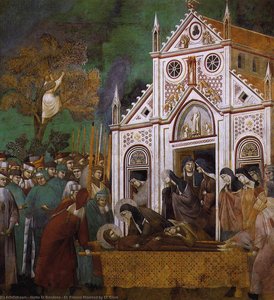
![Legend Of St Francis - [23] - St Francis Mourned By St Clare — Giotto Di Bondone, Gothic](/media/artworks/images-thumb/17/1c/171c284c41dc3ef8bca83e51c1e1e531.jpg)
Artist Biography
The Sacred Vision of Matteo Giovanetti
In the heart of fourteenth-century Italy, amidst the spiritual awakening of the early Renaissance, the name Matteo Giovanetti emerged as a beacon of devotional mastery. Born around 1300 in the historic city of Viterbo, Giovanetti was more than a mere painter; he was a visual theologian whose brush captured the profound intersection of human emotion and divine grace. While much of his personal history remains shrouded in the mists of the medieval era—with biographical fragments often found only within papal correspondence—his artistic presence is undeniably monumental. His life’s work serves as a vital bridge between the rigid, symbolic traditions of the Gothic period and the burgeoning naturalism that would soon define the Italian Renaissance.
The development of Giovan andetti's style suggests a profound intellectual and spiritual journey. It is widely believed by scholars that his training was deeply rooted in both theological study and rigorous artistic apprenticeship. This dual education allowed him to infuse his compositions with a layer of scriptural depth that resonated with the clergy and common folk alike. By absorbing the stylistic currents flowing from the great masters of Tuscany and Umbria, Giovanetti began to synthesize a unique visual language. He drew inspiration from the monumental weight and structural clarity of Giotto di Bondone, while simultaneously embracing the lyrical elegance and refined grace found in the works of Simone Martini. This delicate balance between strength and delicacy became the hallmark of his creative identity.
Masterpieces of Devotion and Light
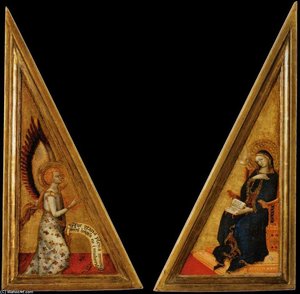
The legacy of Matteo Giovanetti is anchored by two extraordinary altarpieces that continue to captivate the modern imagination. His Annunciation, dated to approximately 1345, stands as a breathtaking testament to his ability to render the miraculous. In this work, the moment of Mary’s acceptance of Gabriel’s message is captured with a poignant stillness. Through his use of simplified drapery and a controlled, flattened perspective, Giovanetti directs the viewer's gaze toward the spiritual gravity of the encounter. The painting does not merely depict a scene; it invites the faithful into a sacred dialogue, utilizing light and form to evoke the very essence of divine intervention.
Equally significant is his masterpiece, St Hermagoras and a Donor St Fortunatus. This work offers an intimate window into the social and spiritual fabric of the fourteenth century. By depicting both a saintly figure and a human donor, Giovanetti achieves a rare sense of temporal continuity, bridging the gap between the heavenly realm and the earthly presence of his patrons. The painting is characterized by:
- Spiritual Reverence: A profound sense of piety that permeates every brushstroke.
- Technical Precision: An early mastery of detail that hints at the approaching Renaissance realism.
- Narrative Depth: The ability to weave complex theological themes into a single, cohesive visual experience.
Through these works, Giovanetti achieved a level of historical significance that transcends his era. He was a pioneer who helped transition the Italian landscape from the ornamental complexities of the Gothic style toward a more human-centric, expressive form of art. His ability to harmonize the ethereal with the tangible ensured that his altarpieces were not just objects of beauty, but essential instruments of worship and historical record.
matteo giovanetti
1322 - 1368 , Italy
Quick Facts
- Artistic Movement Or Style: Early Italian Renaissance
- Date Of Birth: ca. 1300
- Date Of Death: ca. 1368
- Full Name: Matteo Giovanetti da Viterbo
- Nationality: Italian
- Notable Artworks:
- Annunciation
- St Hermagoras and a Donor St Fortunatus
- Place Of Birth: Viterbo, Italy
Related Articles
El Greco's Masterpieces: Explore 25 Iconic Paintings & Spiritual Visions | ArtsDot
Journey through El Greco's 25 most iconic paintings! Explore the spiritual depth & dramatic beauty of this Spanish Renaissance master. Discover art history, techniques & find museum-quality reproductions for your home at ArtsDot.com.

Sacred Narratives on Canvas: Exploring Devotional Imagery Across Art History
Explore the rich history of devotional art! Discover iconic masterpieces, symbolism & techniques from antiquity to the Renaissance. Expert insights for collectors & enthusiasts at ArtsDot.

Fra Angelico's Masterpieces: 25 Renaissance Paintings for Your Home | ArtsDot
Explore 25 breathtaking masterpieces by Fra Angelico, a Renaissance master. Discover the stories behind his iconic frescoes, Annunciations & religious art. Find museum-quality reproductions and elevate your home decor with ArtsDot.com.

Giotto's Masterpieces: 25 Renaissance Artworks for Your Home | ArtsDot
Explore 25 breathtaking artworks by Giotto di Bondone, a Renaissance master. Discover the stories behind iconic frescoes & paintings like the Scrovegni Chapel cycle. Find museum-quality Giotto reproductions and elevate your home decor with ArtsDot.com.
Sacred Expressions: A Journey Through Devotional Art Across Cultures & Eras
Explore the rich history of devotional art across cultures & eras. Discover iconic masterpieces, symbolism, and artistic techniques. Expert insights for collectors & enthusiasts.