 Preview
 Send
Send Share
Share
 Details

 Download
 Similars
 X-Ray
X-Ray Diaporama
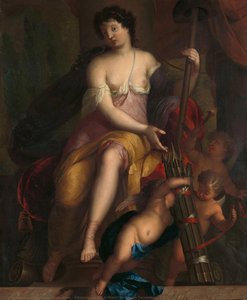
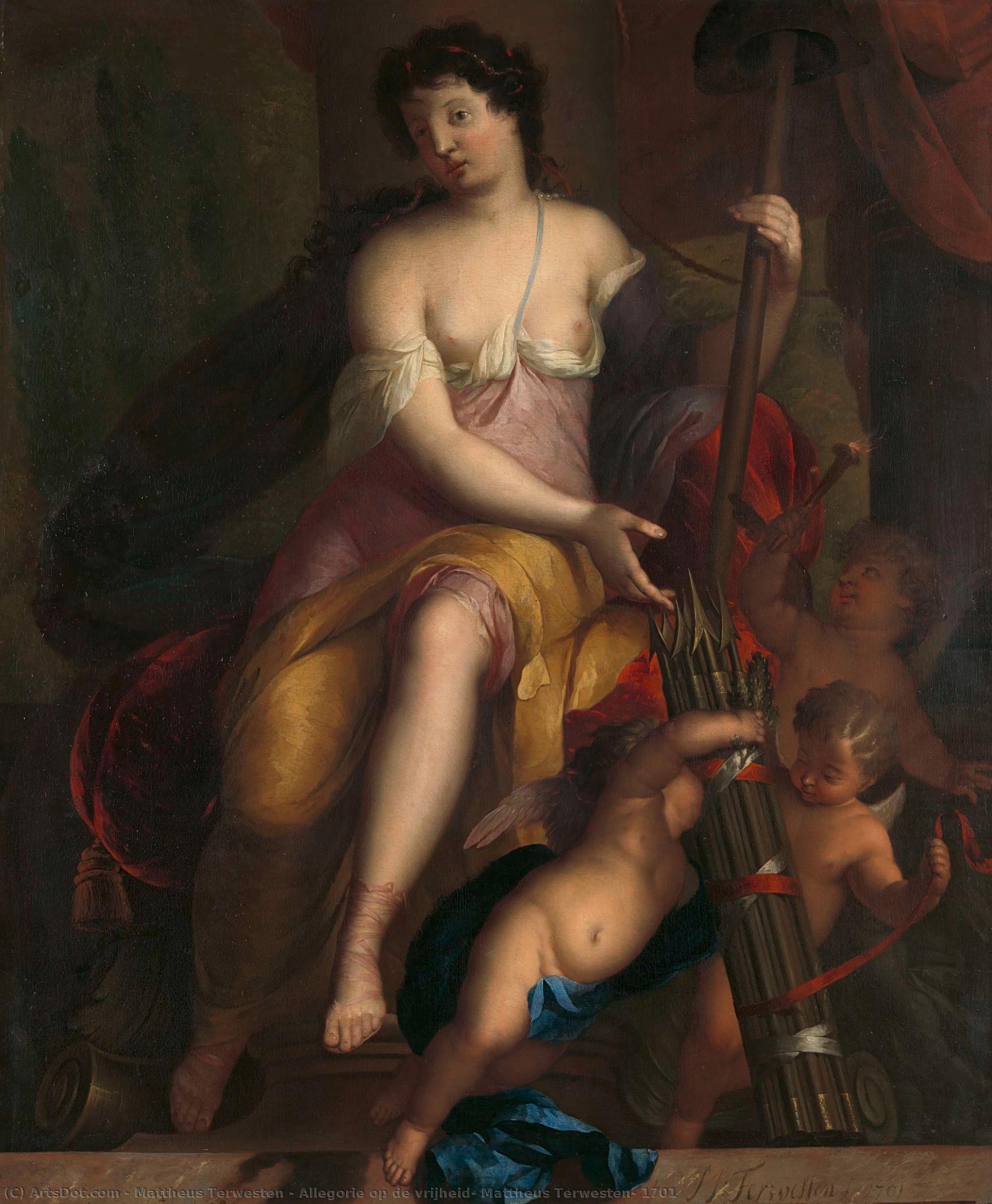
Allegorie op de vrijheid, Mattheus Terwesten, 1701
 1701
1701 126.0 x 106.0 cm
 Read More
Giclée / Art Print
Museum-quality giclée or canvas print with fast production and flexible finish options. ( Buy Hand Made Painting Buy Image)




































Pick from our preset sizes that match the artwork's original proportions.

You may enter your own dimensions to fit a specific frame or space. If your selected size does not match the original image's proportions, we will either crop the artwork or extend the image with a mirrored or solid-fill edge. A digital mockup will be sent for your approval before production begins.
Please note that the on-screen preview does not reflect the actual cropping or extension. Only the mockup will accurately show the final composition.
While custom sizes are available, we recommend selecting a dimension from the predefined list to preserve the original proportions.
Worldwide Delivery () in 2 weeks instead of standard 4/5 weeks. (28 August)

Free Worldwide Express Shipping

High-Quality Linen Canvas

Full Shipping Insurance

Customs Tax Refund Guarantee

True Color Matching Guarantee

60-Day Return Policy (Defects Only)

100% Money-Back Guarantee

Bulk Discount Offer
 Glass option is only available in size under 110 CM

Allegorie op de vrijheid, Mattheus Terwesten, 1701
Giclée / Art Print
Reproduction Size
-


Total Price
$ 63
Related Artworks





Artist Biography
Early Life and Artistic Awakening
The story of this artist is one steeped in quiet observation and a gradual unfolding of talent, rather than a sudden burst onto the scene. Born into a family that fostered creativity – though not necessarily professional artistry – they were encouraged to explore various mediums from a young age. Early childhood was spent immersed in nature, a formative experience that would later become a defining characteristic of their work. There wasn't formal training initially; instead, it was self-directed experimentation with watercolors, charcoal, and whatever materials could be found around the home. This period was crucial for developing an intuitive understanding of color, form, and texture. The artist’s early sketches reveal a fascination with light and shadow, particularly as they played across natural landscapes – forests, fields, and bodies of water. These weren't simply replications of what was seen, but rather attempts to capture the *feeling* of being within those spaces, an emotional resonance that would become central to their artistic vision. A pivotal moment came during adolescence with a visit to a local art museum, where exposure to Impressionist paintings sparked a deep connection and ignited a desire to pursue art more seriously. This encounter provided not just inspiration but also a sense of validation – the realization that it was possible to translate personal experiences into a visual language understood by others.Formal Training and Developing Style
Following high school, the artist sought formal training at a prestigious art academy, where they initially struggled with the rigid academic approach. The emphasis on technical precision felt constricting after years of free exploration. However, this period proved invaluable in honing fundamental skills – anatomy, perspective, composition – even as it prompted a conscious rejection of strict adherence to traditional methods. It was during these formative years that their unique style began to emerge, blending elements of Impressionism with a more contemporary sensibility. They gravitated towards working *en plein air*, embracing the challenges and rewards of painting directly from nature. This practice allowed for a direct engagement with light and atmosphere, capturing fleeting moments and subtle nuances often lost in studio work. The artist’s palette became increasingly muted, favoring earth tones and atmospheric grays to convey mood and emotion rather than precise representation. Influenced by artists like J.M.W. Turner and the tonalist painters, they sought to create works that evoked a sense of tranquility and introspection. A key development during this period was their exploration of mixed media, incorporating collage elements – dried leaves, fragments of fabric – into their paintings to add texture and depth.Major Themes and Artistic Achievements
The artist’s work is characterized by a profound connection to the natural world, exploring themes of transience, memory, and the human relationship with the environment. Their landscapes are not simply depictions of places but rather emotional responses to them – meditations on beauty, loss, and the passage of time.- Atmospheric Landscapes: The artist is best known for their evocative landscape paintings, which capture the subtle nuances of light and atmosphere. These works often feature muted colors and a sense of quiet contemplation.
- Mixed Media Explorations: Their experimentation with mixed media – incorporating collage elements into their paintings – adds texture and depth to their work, creating a unique visual language.
- Portraits of Solitude: While primarily known for landscapes, the artist also created a series of portraits that explore themes of isolation and introspection. These works are characterized by a minimalist aesthetic and a focus on psychological nuance.