 Preview
 Send
Send Share
Share
 Details

 Download
 Similars
 X-Ray
X-Ray Diaporama
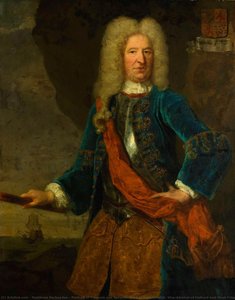
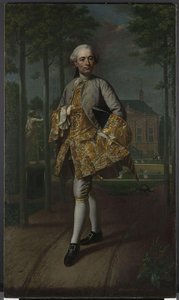
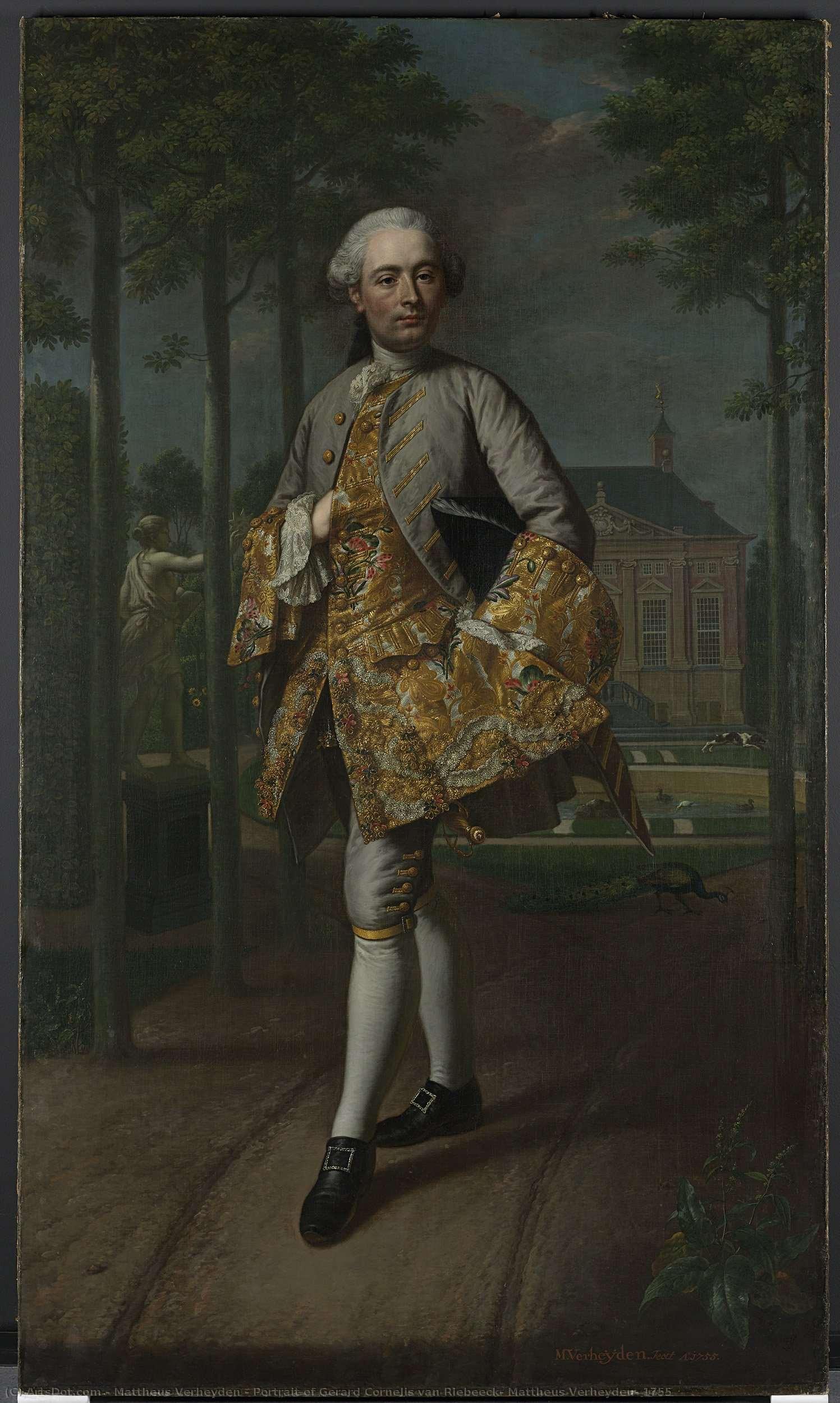
Portrait of Gerard Cornelis van Riebeeck, Mattheus Verheyden, 1755
 1755
1755 206.0 x 122.0 cm
 Read More
Giclée / Art Print
Museum-quality giclée or canvas print with fast production and flexible finish options. ( Buy Hand Made Painting Buy Image)




































Pick from our preset sizes that match the artwork's original proportions.

You may enter your own dimensions to fit a specific frame or space. If your selected size does not match the original image's proportions, we will either crop the artwork or extend the image with a mirrored or solid-fill edge. A digital mockup will be sent for your approval before production begins.
Please note that the on-screen preview does not reflect the actual cropping or extension. Only the mockup will accurately show the final composition.
While custom sizes are available, we recommend selecting a dimension from the predefined list to preserve the original proportions.
Worldwide Delivery () in 2 weeks instead of standard 4/5 weeks. (28 August)

Free Worldwide Express Shipping

High-Quality Linen Canvas

Full Shipping Insurance

Customs Tax Refund Guarantee

True Color Matching Guarantee

60-Day Return Policy (Defects Only)

100% Money-Back Guarantee

Bulk Discount Offer
 Glass option is only available in size under 110 CM

Portrait of Gerard Cornelis van Riebeeck, Mattheus Verheyden, 1755
Giclée / Art Print
Reproduction Size
-


Total Price
$ 63
Related Artworks





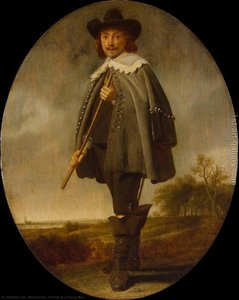
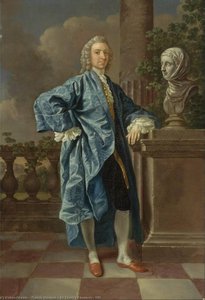
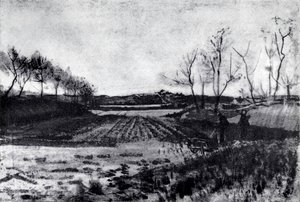
Artist Biography
A Life Etched in Likeness: The World of Mattheus Verheyden
Mattheus Verheyden, born in the Dutch city of Breda in 1700, emerged as a significant, though often understated, voice within the tradition of 18th-century portraiture. His life story is one marked by early hardship and nurtured talent, ultimately blossoming into a career dedicated to capturing the essence of his era’s elite. Orphaned at a young age – losing his mother in infancy and his father, also a painter named Franck Pietersz Verheyden, before receiving formal instruction from him – Mattheus' artistic path was initially uncertain. Remarkably, he began painting at the tender age of seventeen, demonstrating an innate aptitude that would soon be recognized and fostered by the civic authorities of Breda. Becoming a ward of the city following his father’s death in 1711, Verheyden was granted the opportunity to study with leading artists of the time, setting the stage for a career defined by refined skill and perceptive observation.Formative Years and Artistic Influences
Verheyden's artistic education was carefully orchestrated, reflecting a commitment to providing him with a well-rounded foundation in the prevailing styles. His initial training took place under Hendrik Carré II in The Hague, where he honed his compositional abilities and developed an eye for detail. This period was followed by diligent study of the works of Constantijn Netscher, whose refined brushwork and elegant aesthetic left a lasting impression on Verheyden’s own style. He also immersed himself in the paintings of Carel de Moor and Augustinus Terwesten II, absorbing their mastery of classical portraiture techniques. These influences weren't merely imitative; rather, Verheyden synthesized them into a unique artistic voice, blending Baroque sensibilities with an emerging Rococo grace. The impact of these masters is visible in his meticulous attention to texture, the subtle play of light and shadow, and the ability to convey both physical likeness and psychological depth within his portraits.A Portraitist of Breda and Beyond
By 1722, Verheyden contemplated a journey to England, but paused in Amsterdam to accept portrait commissions – a testament to his growing reputation even at this early stage. He ultimately returned to Breda, fulfilling obligations to the regents who had supported his education and settling his inheritance. However, it was in Breda that he found both artistic fulfillment and personal happiness, falling in love with Margareta Kraeimes and choosing marriage over a transatlantic voyage. This decision cemented his commitment to serving as the primary portraitist for the leading citizens of Breda and, increasingly, The Hague. He meticulously documented his subjects – a practice partially preserved through records compiled by Johan van Gool – painting prominent figures such as François van Aerssen, Lord of Sommelsdijk (1728), Coenraad van Heemskerck, Count of the Holy Roman Empire (1750), and Gerard Cornelis van Riebeeck (1755). These works weren’t simply exercises in representation; they were statements of social standing, carefully constructed images designed to project power, wealth, and refinement.Style, Legacy, and Historical Context
Verheyden's style is characterized by a refined elegance and an unwavering commitment to realism. He possessed a remarkable ability to capture not only the physical features of his sitters but also their individual personalities and social status. His portraits are often distinguished by rich fabrics, sophisticated poses, and a masterful use of light and shadow to create depth and dimension. While primarily focused on portraiture – reflecting the strong demand for such paintings among the Dutch elite – Verheyden rarely ventured into other genres. He was a member of the Confrerie Pictura until 1762, an organization that fostered artistic collaboration and recognition within The Hague’s vibrant art scene. Though perhaps not as widely celebrated as some of his contemporaries, Mattheus Verheyden played a crucial role in preserving the visual memory of influential figures during a pivotal period in Dutch history. His portraits offer invaluable insights into the social and political landscape of the 18th century, representing a continuation of the esteemed Dutch portrait tradition with skill, artistry, and an enduring sense of grace.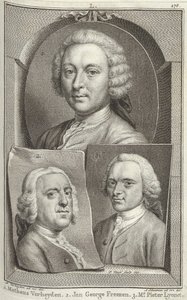
Mattheus Verheyden
1700 - 1776 , Netherlands
Quick Facts
- Artistic Movement Or Style: Baroque, Portraiture
- Artists Who Influenced This Artist:
- Hendrik Carré II
- Constantijn Netscher
- Carel de Moor
- Date Of Birth: 1700
- Date Of Death: 1776
- Full Name: Mattheus Verheyden
- Nationality: Dutch
- Notable Artworks:
- Portrait of François van Aerssen
- Portrait of Coenraad van Heemskerck
- Portrait of Gerard Riebeeck
- Place Of Birth: Breda, Netherlands