 Preview
 Send
Send Share
Share
 Details

 Download
 Similars
 X-Ray
X-Ray Diaporama
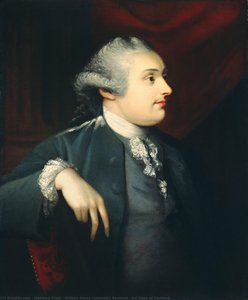
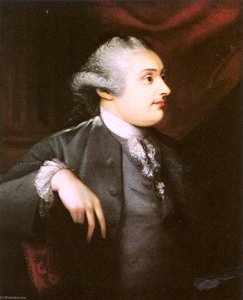
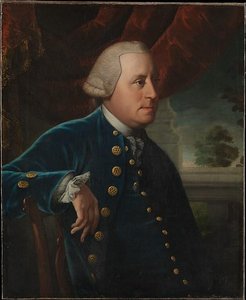
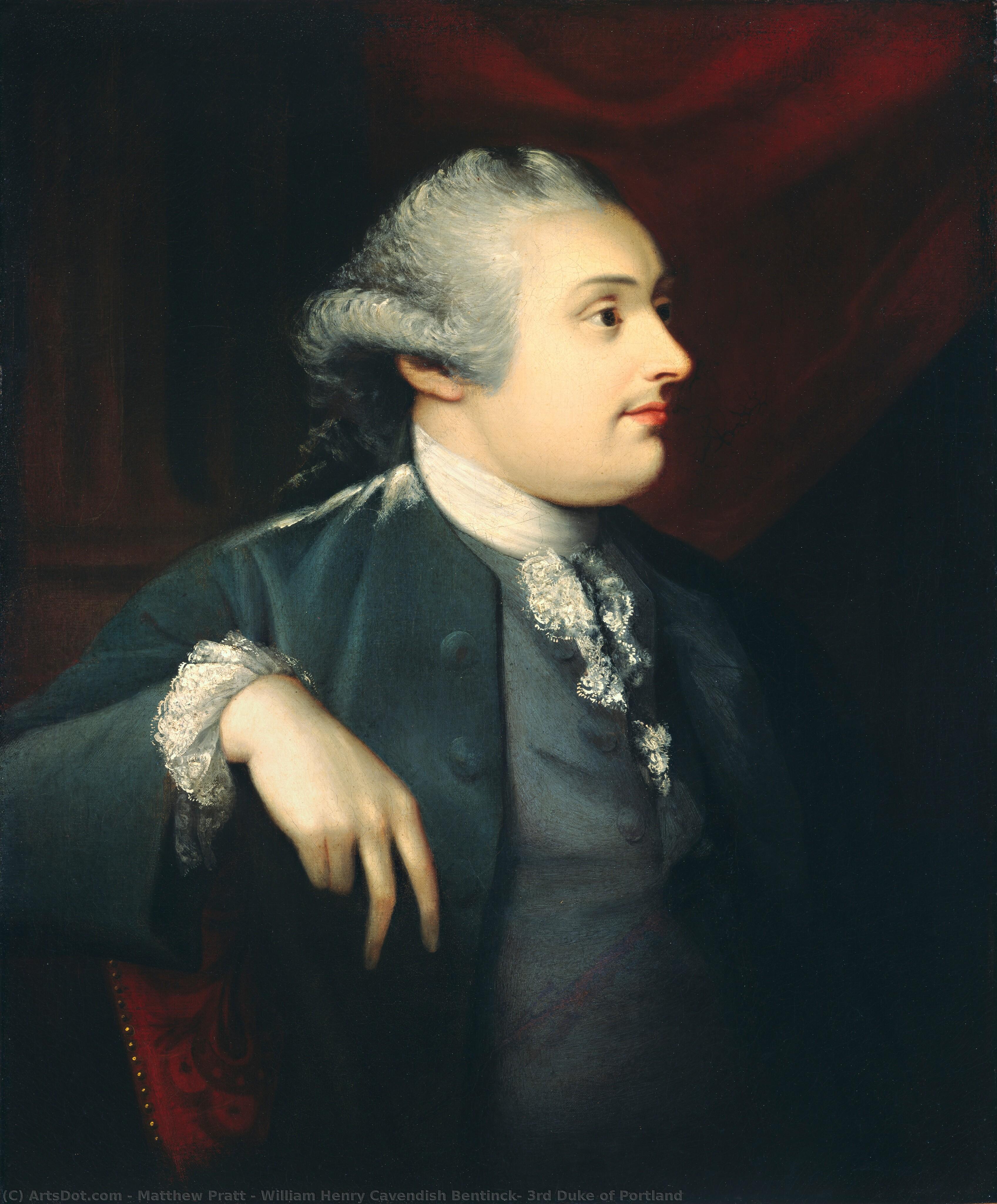
William Henry Cavendish Bentinck, 3rd Duke of Portland
 1774
1774 100.0 x 87.0 cm
 Read More
Giclée / Art Print
Museum-quality giclée or canvas print with fast production and flexible finish options. ( Buy Hand Made Painting Buy Image)




































Pick from our preset sizes that match the artwork's original proportions.

You may enter your own dimensions to fit a specific frame or space. If your selected size does not match the original image's proportions, we will either crop the artwork or extend the image with a mirrored or solid-fill edge. A digital mockup will be sent for your approval before production begins.
Please note that the on-screen preview does not reflect the actual cropping or extension. Only the mockup will accurately show the final composition.
While custom sizes are available, we recommend selecting a dimension from the predefined list to preserve the original proportions.
Worldwide Delivery () in 2 weeks instead of standard 4/5 weeks. (27 August)

Free Worldwide Express Shipping

High-Quality Linen Canvas

Full Shipping Insurance

Customs Tax Refund Guarantee

True Color Matching Guarantee

60-Day Return Policy (Defects Only)

100% Money-Back Guarantee

Bulk Discount Offer
 Glass option is only available in size under 110 CM

William Henry Cavendish Bentinck, 3rd Duke of Portland
Giclée / Art Print
Reproduction Size
-


Total Price
$ 63
Related Artworks






Artist Biography
The Quiet Master of Philadelphia Portraiture
Matthew Pratt stands as a testament to the understated brilliance of the American Colonial Era, an artist whose legacy resides not in grand canvases or flamboyant exhibitions but in exquisitely rendered portraits that capture the essence of prominent figures and families shaping the burgeoning nation. Born on September 23rd, 1734, in Philadelphia—a city pulsating with intellectual ferment and mercantile ambition—Pratt’s life unfolded against a backdrop of burgeoning republican ideals and artistic innovation. He was born into a world of craftsmanship, the son of goldsmith Henry Pratt and Rebecca Claypoole, and from his earliest years, he was destined to weave himself into the very fabric of American colonial identity.
His formative years were steeped in the rigorous traditions of fine craftsmanship, as he was apprenticed to his uncle, James Claypoole Sr., a renowned limner celebrated for his meticulous depictions of landscapes and architectural interiors. This early training instilled within Pratt a profound appreciation for detail and observation—qualities that would become the hallmarks of his distinctive style. Through this apprenticeship, which lasted from 1745 to 1755, he did not merely learn the brushstroke; he acquired the business acumen necessary to navigate the competitive art market of the eighteenth century.
A Transatlantic Crucible of Style
The pivotal moment in Pratt’s career arrived in 1764, a year that would bridge the gap between his colonial roots and the sophisticated artistic currents of Europe. Accompanying his cousin, Betsey Shewell, on her journey to England for her marriage to the esteemed artist Benjamin West, Pratt found himself thrust into the heart of the international art world. This transatlantic voyage was far more than a logistical undertaking; it served as a profound immersion into the European artistic landscape—a crucible where he honed his skills and absorbed the stylistic nuances of the era’s leading masters.
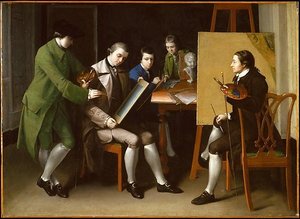
Spending two and a half years in England as both a pupil and a colleague to West, Pratt engaged with the burgeoning influences of grander traditions, particularly those championed by figures like Joshua Reynolds. It was during this period of intense study that he produced one of his most enduringly significant works, The American School. This painting, which depicts a scene in West's London studio, serves as a powerful assertion of the legitimacy of American art alongside its European counterparts, capturing a moment of shared artistic ambition and cross-continental connection.
Legacy of the Colonial Portraitist
Upon returning to Philadelphia in 1768, Pratt established himself as a respected and sought-after portraitist, becoming a vital figure in the local artistic community. His return marked the beginning of a prolific period where he forged deep intellectual and professional connections with fellow luminaries such as John Singleton Copley and Charles Willson Peale. These collaborations fostered an environment of intense exchange, propelling Pratt’s development and allowing him to contribute significantly to the visual record of the American elite.
Pratt's work is characterized by a refined ability to capture the character and dignity of his subjects, ranging from prominent merchants to influential political figures. His portraits do not merely document faces; they embody the spirit of an era defined by transition and the birth of a new national identity. Through his meticulous technique and sensitive observation, Pratt ensured that the faces of the American colonial period would remain etched in history, leaving behind a body of work that remains a cornerstone of early American art history.
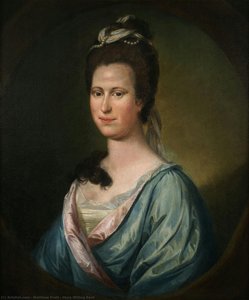
matthew pratt
1734 - 1805
Quick Facts
- Artistic Movement Or Style: Colonial Era Portraiture
- Artists Or Movements Influenced By This Artist: ['American School']
- Artists Who Influenced This Artist:
- James Claypoole
- Benjamin West
- Date Of Birth: September 23, 1734
- Date Of Death: January 9, 1805
- Full Name: Matthew Pratt
- Nationality: American
- Notable Artworks:
- The American School
- Mrs. Peter De Lancey
- Mary Willing Byrd
- Place Of Birth: Philadelphia, Pennsylvania