

 Preview
 Send
Send Share
Share
 Details

 Download
 Similars
 X-Ray
X-Ray Diaporama
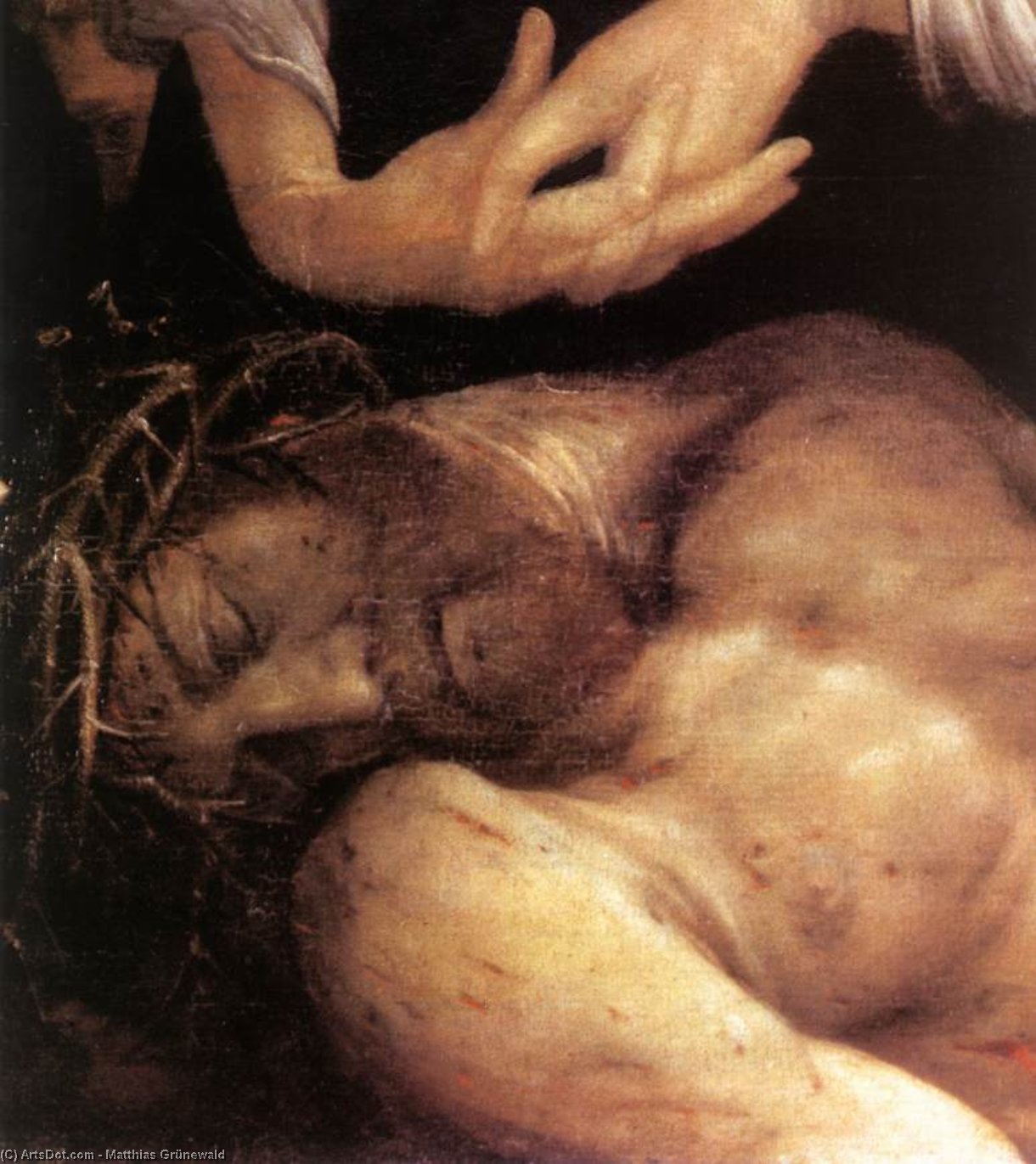
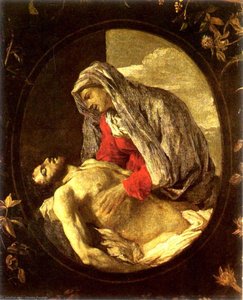
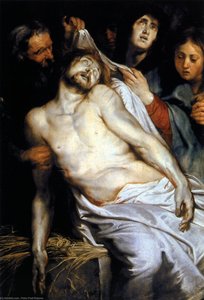
Lamentation of Christ (detail)


 Read More
Purchase a high-resolution, enhanced digital image, far superior to the online preview.
Each file is meticulously prepared by our in-house specialists using advanced tools and expert manual retouching. We ensure every image has exceptional clarity, precise color accuracy, and fine detail.
The final file is delivered via email within 72 hours, optimized for immediate use in professional, editorial, and print environments. This is the same quality trusted by top-tier design studios, publishers, and galleries.
Digital Image
Download a high-resolution file for personal display, printing, and creative projects. ( Buy Print Buy Hand Made Painting)
Included in Every Digital Image Order
Expert Digital Delivery, Guaranteed
When you choose ArtsDot.com, you're not just getting an image - you're receiving a professionally enhanced digital artwork, crafted with precision and backed by a satisfaction guarantee. Here's everything that comes with your order, automatically:

Fast Email Delivery
Your high-resolution digital image file will be emailed to you within 72 hours of ordering - ready for immediate use.

AI-Enhanced Digital File
Your artwork is professionally optimized using advanced AI tools and manual editing, ensuring maximum detail, clarity, and color accuracy.

Free Lifetime Re-Delivery
Accidentally deleted or lost your file? No worries - we'll resend it to you anytime, free of charge.

No Import Fees - Ever
Enjoy your artwork instantly with zero customs, duties, or delivery fees - digital downloads are always tax-free.

Color Accuracy Guarantee
We ensure your digital image reflects the original colors as closely as possible using professional tools and color management.

60-Day Satisfaction Guarantee
If you're not satisfied with your digital image, we'll revise it or refund 100% within 60 days - no questions asked.

100% Money-Back Guarantee
Not satisfied? Get a full refund within 60 days of receiving your digital file - no questions asked.

Bulk Order Discounts
Buy 3 images, save 10% - Buy 5, save 15% - Buy 10+, save 20%. Great for creative projects, galleries, and agencies.
Lamentation of Christ (detail): A Symphony of Grief and Foreshortening
Matthias Grünewald’s Lamentation of Christ, a cornerstone of Northern Renaissance art, resides within the Sala della Musica of Santa Maria Derelitti church in Colmar. This chapel served as a concert venue for an extraordinary female orchestra led by Domenico Cimarosa and Niccolò Porpora—a remarkable institution dedicated to musical education that stood apart from its male counterpart at the Conservatorio della Pietà.
- Artist: Matthias Grünewald (1470-1528)
- Nationality: German
- Medium: Tempera and oil on wood panel
- Size: Unknown
- Date: Circa 1512
Grünewald’s masterful depiction captures the agonizing moment following Christ's crucifixion—Mary cradling his lifeless body, surrounded by grieving figures. The painting exemplifies Grünewald’s signature style: a dramatic blend of realism and emotional intensity, heavily influenced by Byzantine iconographic traditions but infused with Northern European artistic sensibilities.
Technique and Composition: Mastering Foreshortening
The artwork employs meticulous tempera and oil paint application—a technique that allowed Grünewald to achieve unparalleled luminosity and textural detail. However, what truly distinguishes this piece is its innovative use of perspective. The composition places the viewer at the feet of Christ’s corpse, creating an unsettling yet profoundly impactful visual experience.
- Perspective: Dramatic foreshortening—a technique pioneered by Grünewald and influencing subsequent artists.
- Color Palette: Dominated by muted browns and ochres, conveying solemnity and grief.
- Detailing: Exceptional anatomical accuracy reflects Grünewald’s commitment to observation and realism.
Historical Context and Symbolism
Painted during the High Renaissance, Lamentation of Christ speaks to themes of sorrow, compassion, and divine mourning—central tenets of Christian theology. The image draws upon Byzantine iconography, particularly depictions of Mary lamenting over Jesus’s body after his crucifixion, but Grünewald elevates it with Northern European artistic conventions.
- Religious Significance: Represents the grief experienced by Mary and Saint John following Christ's death—a poignant reminder of human suffering and divine compassion.
- Influence: Foreshortening technique anticipates developments in Renaissance art, demonstrating Grünewald’s pioneering role in artistic innovation.
Emotional Impact and Legacy
Grünewald's Lamentation transcends mere visual representation; it evokes palpable emotion—a visceral response to the depicted grief and vulnerability. The painting continues to resonate with viewers today, serving as a testament to Grünewald’s artistic genius and his enduring contribution to Western art history.
Suggested listening (streaming mp3, 9 minutes): Antonio Vivaldi: Concerto in C major RV 180 (Il Piacere, The Pleasure)
Related Artworks

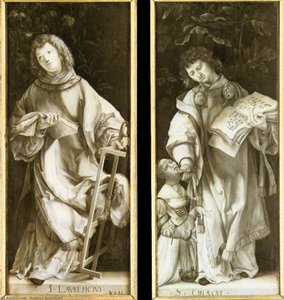
Artist Biography
Matthias Grünewald: Life and Legacy
Early Life and Artistic Beginnings
Matthias Grünewald, born Mathis Gothart Neithardt around 1470-1475 in Würzburg, Germany, was a pivotal figure of the German Renaissance. Despite living during a period increasingly influenced by Italian Renaissance ideals, Grünewald remained deeply rooted in the artistic traditions of late medieval Central Europe. Details about his early life are scarce, but it’s known he received training as an artist, likely within local workshops.
Artistic Development and Influences
Grünewald's artistic development was shaped by the prevailing Northern European traditions of realism, emotional intensity, and detailed observation. His work shows influences from artists like Albrecht Dürer and Martin Schongauer, but he forged a unique path characterized by dramatic expression and vivid color. He wasn’t directly involved with the humanist circles prevalent in Italy; instead, his art served primarily religious purposes, reflecting the spiritual anxieties of his time.
Major Works and Artistic Style
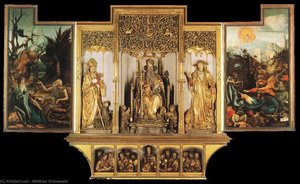
- The Isenheim Altarpiece (1512-1516): This masterpiece, housed at the Musée d'Unterlinden in Colmar, is considered Grünewald’s magnum opus. It depicts scenes from the life of Christ with harrowing realism, particularly focusing on suffering and redemption.
- The Crucifixion (c. 1502-1503): An early work demonstrating his developing style, showcasing intense emotion and anatomical detail.
- Virgin of the Annunciation (1512-14): A study for the Isenheim Altarpiece, revealing his meticulous planning process.
- Moses (1511): A drawing highlighting Grünewald’s skill in capturing expressive figures and dramatic poses.
Grünewald's style is distinguished by:
- Dramatic Composition: He employed dynamic arrangements to heighten emotional impact.
- Vivid Color Palette: His use of intense, often contrasting colors created a powerful visual experience.
- Realistic Depiction of Suffering: Grünewald didn’t shy away from portraying the physical and emotional pain associated with religious narratives.
- Expressive Figures: His figures are imbued with strong emotions and psychological depth.
Historical Significance and Legacy
Grünewald's work stands as a testament to the enduring power of medieval artistic traditions in Germany during the Renaissance. He bridged the gap between the late Gothic style and the emerging Renaissance, creating a unique visual language that resonated with his contemporaries. His influence can be seen in later German artists who continued to explore themes of religious fervor and emotional intensity. While largely forgotten for centuries after his death in 1528, Grünewald experienced a revival in the 19th century, and today he is recognized as one of the most important painters of the German Renaissance. His art continues to captivate viewers with its raw emotion, technical brilliance, and profound spiritual depth.
Further Exploration
Discover more about Matthias Grünewald’s life and works at: ArtsDot
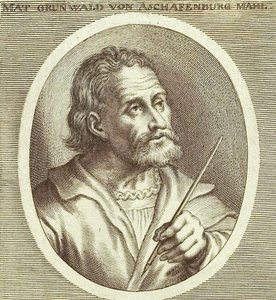
matthias grünewald
1480 - 1528 , Germany
Quick Facts
- Birth Date: c. 1470–1475
- Birth Place: Würzburg, Germany
- Death Date: 1528
- Movement: German Renaissance, Late Medieval
- Name: Matthias Grünewald
- Nationality: German
- Notable Works: Isenheim Altarpiece, The Crucifixion

