

 Preview
 Send
Send Share
Share
 Details

 Download
 Similars
 X-Ray
X-Ray Diaporama
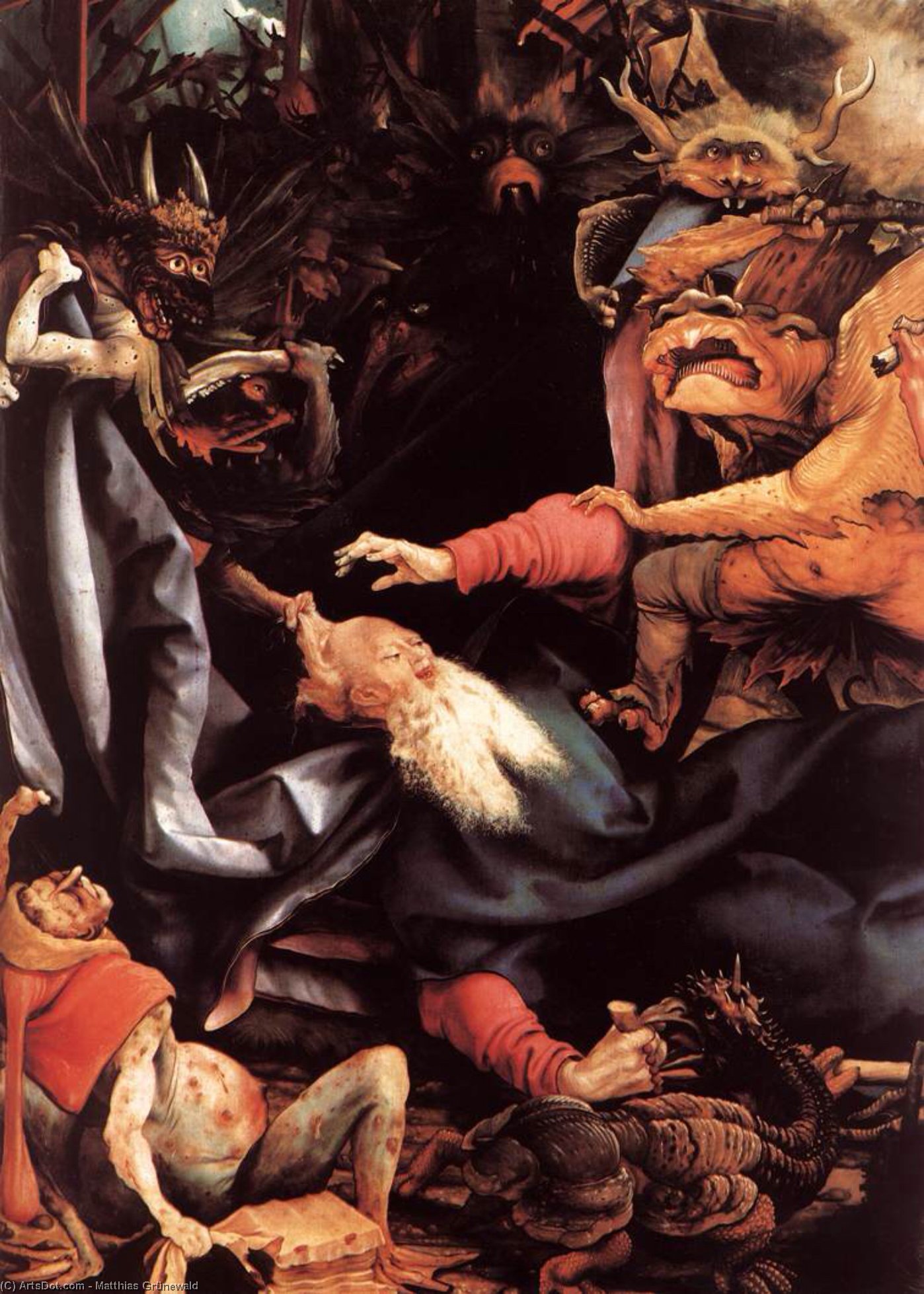
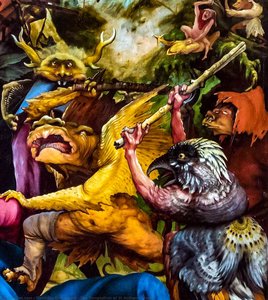
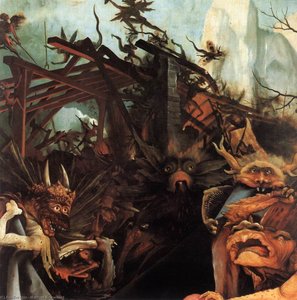
The Temptation of St Anthony (detail)


 Read More
Purchase a high-resolution, enhanced digital image, far superior to the online preview.
Each file is meticulously prepared by our in-house specialists using advanced tools and expert manual retouching. We ensure every image has exceptional clarity, precise color accuracy, and fine detail.
The final file is delivered via email within 72 hours, optimized for immediate use in professional, editorial, and print environments. This is the same quality trusted by top-tier design studios, publishers, and galleries.
Digital Image
Download a high-resolution file for personal display, printing, and creative projects. ( Buy Print Buy Hand Made Painting)
Included in Every Digital Image Order
Expert Digital Delivery, Guaranteed
When you choose ArtsDot.com, you're not just getting an image - you're receiving a professionally enhanced digital artwork, crafted with precision and backed by a satisfaction guarantee. Here's everything that comes with your order, automatically:

Fast Email Delivery
Your high-resolution digital image file will be emailed to you within 72 hours of ordering - ready for immediate use.

AI-Enhanced Digital File
Your artwork is professionally optimized using advanced AI tools and manual editing, ensuring maximum detail, clarity, and color accuracy.

Free Lifetime Re-Delivery
Accidentally deleted or lost your file? No worries - we'll resend it to you anytime, free of charge.

No Import Fees - Ever
Enjoy your artwork instantly with zero customs, duties, or delivery fees - digital downloads are always tax-free.

Color Accuracy Guarantee
We ensure your digital image reflects the original colors as closely as possible using professional tools and color management.

60-Day Satisfaction Guarantee
If you're not satisfied with your digital image, we'll revise it or refund 100% within 60 days - no questions asked.

100% Money-Back Guarantee
Not satisfied? Get a full refund within 60 days of receiving your digital file - no questions asked.

Bulk Order Discounts
Buy 3 images, save 10% - Buy 5, save 15% - Buy 10+, save 20%. Great for creative projects, galleries, and agencies.
Collectible Description
The Tempestuous Soul: Matthias Grünewald’s “The Temptation of St. Anthony”
Matthias Grünewald's "The Temptation of St. Anthony," painted around 1515, isn’t merely a depiction of a biblical scene; it’s a visceral plunge into the heart of spiritual struggle – a haunting meditation on temptation, faith, and the solitary journey towards enlightenment. Emerging from the Isenheim Altarpiece, this particular panel captures a pivotal moment in the life of St. Anthony the Great, a figure revered for his asceticism and unwavering devotion within the early Christian monastic tradition. More than just a religious icon, it’s a profoundly human portrayal of vulnerability and resistance, rendered with an intensity that continues to resonate centuries later.
The painting immediately commands attention through its dramatic composition and masterful use of chiaroscuro – the stark contrast between light and shadow. Grünewald eschews the idealized serenity often associated with religious art of his time, instead presenting a scene steeped in turbulent energy. St. Anthony, depicted as an aged figure cloaked in simple monastic garb, is not a triumphant saint but a man wrestling with inner demons. He’s caught mid-fall, his body contorted in anguish, his face etched with a mixture of pain and determination. Around him swirl a chaotic array of figures – grotesque demons, seductive women, and unsettling creatures – each vying for his attention, each representing a different facet of temptation.
A Symphony of Symbolism
Grünewald’s genius lies not just in the dramatic portrayal but also in the intricate web of symbolism woven throughout the panel. The demons aren't simply monstrous figures; they are embodiments of worldly desires, earthly pleasures, and spiritual distractions. A bird perched on St. Anthony’s shoulder represents vanity and pride, while a snake slithering before him symbolizes deceit and temptation. The presence of a book lying on the ground to the left suggests the allure of knowledge and worldly pursuits, offering a tempting alternative to the path of faith. The figures surrounding the saint are not merely decorative; they each carry specific symbolic weight, contributing to the painting’s complex narrative.
Notably, the background landscape is far from idyllic. A ravaged city consumed by flames – a recurring motif in Grünewald's work – hints at the consequences of succumbing to temptation and straying from the righteous path. The inclusion of a ruined tower, reminiscent of St. Anthony’s hermitage, underscores the isolation and hardship inherent in his spiritual quest. The subtle detail of a small crucifix appearing within the saint’s vision serves as a poignant reminder of the ultimate prize – salvation through faith.
Technique and Artistic Innovation
Grünewald's technical skill is evident in every brushstroke, particularly in his masterful manipulation of texture. He employs a technique known as “lost-and-found” hatching—a method where lines are partially obscured to create the illusion of depth and form. This creates an incredibly rich surface, full of subtle variations in tone that bring the figures and their surroundings to life. The use of dark, saturated colors – deep reds, browns, and blacks – amplifies the painting’s dramatic intensity, while carefully placed highlights draw attention to key elements within the composition.
Furthermore, Grünewald's decision to depict St. Anthony in a state of active struggle—a man actively resisting temptation rather than passively enduring it—was remarkably innovative for his time. It reflects a shift towards greater psychological realism and emotional depth in Northern European art, anticipating the developments of the Renaissance. This portrayal elevates the subject beyond a simple religious illustration, transforming it into a powerful allegory of the human condition.
A Timeless Resonance
"The Temptation of St. Anthony" continues to captivate viewers centuries after its creation. Its enduring appeal lies in its ability to tap into universal themes of faith, doubt, and the eternal struggle between good and evil. It’s a painting that invites contemplation, prompting us to examine our own vulnerabilities and the choices we make in navigating the complexities of life. Whether viewed as a profound religious masterpiece or simply as a compelling study of human psychology, Grünewald's "The Temptation of St. Anthony" remains a testament to the power of art to illuminate the deepest recesses of the soul.
Related Artworks

Artist Biography
Matthias Grünewald: Life and Legacy
Early Life and Artistic Beginnings
Matthias Grünewald, born Mathis Gothart Neithardt around 1470-1475 in Würzburg, Germany, was a pivotal figure of the German Renaissance. Despite living during a period increasingly influenced by Italian Renaissance ideals, Grünewald remained deeply rooted in the artistic traditions of late medieval Central Europe. Details about his early life are scarce, but it’s known he received training as an artist, likely within local workshops.
Artistic Development and Influences
Grünewald's artistic development was shaped by the prevailing Northern European traditions of realism, emotional intensity, and detailed observation. His work shows influences from artists like Albrecht Dürer and Martin Schongauer, but he forged a unique path characterized by dramatic expression and vivid color. He wasn’t directly involved with the humanist circles prevalent in Italy; instead, his art served primarily religious purposes, reflecting the spiritual anxieties of his time.
Major Works and Artistic Style
- The Isenheim Altarpiece (1512-1516): This masterpiece, housed at the Musée d'Unterlinden in Colmar, is considered Grünewald’s magnum opus. It depicts scenes from the life of Christ with harrowing realism, particularly focusing on suffering and redemption.
- The Crucifixion (c. 1502-1503): An early work demonstrating his developing style, showcasing intense emotion and anatomical detail.
- Virgin of the Annunciation (1512-14): A study for the Isenheim Altarpiece, revealing his meticulous planning process.
- Moses (1511): A drawing highlighting Grünewald’s skill in capturing expressive figures and dramatic poses.
Grünewald's style is distinguished by:
- Dramatic Composition: He employed dynamic arrangements to heighten emotional impact.
- Vivid Color Palette: His use of intense, often contrasting colors created a powerful visual experience.
- Realistic Depiction of Suffering: Grünewald didn’t shy away from portraying the physical and emotional pain associated with religious narratives.
- Expressive Figures: His figures are imbued with strong emotions and psychological depth.
Historical Significance and Legacy
Grünewald's work stands as a testament to the enduring power of medieval artistic traditions in Germany during the Renaissance. He bridged the gap between the late Gothic style and the emerging Renaissance, creating a unique visual language that resonated with his contemporaries. His influence can be seen in later German artists who continued to explore themes of religious fervor and emotional intensity. While largely forgotten for centuries after his death in 1528, Grünewald experienced a revival in the 19th century, and today he is recognized as one of the most important painters of the German Renaissance. His art continues to captivate viewers with its raw emotion, technical brilliance, and profound spiritual depth.
Further Exploration
Discover more about Matthias Grünewald’s life and works at: ArtsDot
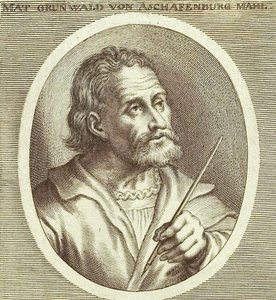
matthias grünewald
1480 - 1528 , Germany
Quick Facts
- Birth Date: c. 1470–1475
- Birth Place: Würzburg, Germany
- Death Date: 1528
- Movement: German Renaissance, Late Medieval
- Name: Matthias Grünewald
- Nationality: German
- Notable Works: Isenheim Altarpiece, The Crucifixion

