

 Preview
 Send
Send Share
Share
 Details

 Download
 Similars
 X-Ray
X-Ray Diaporama
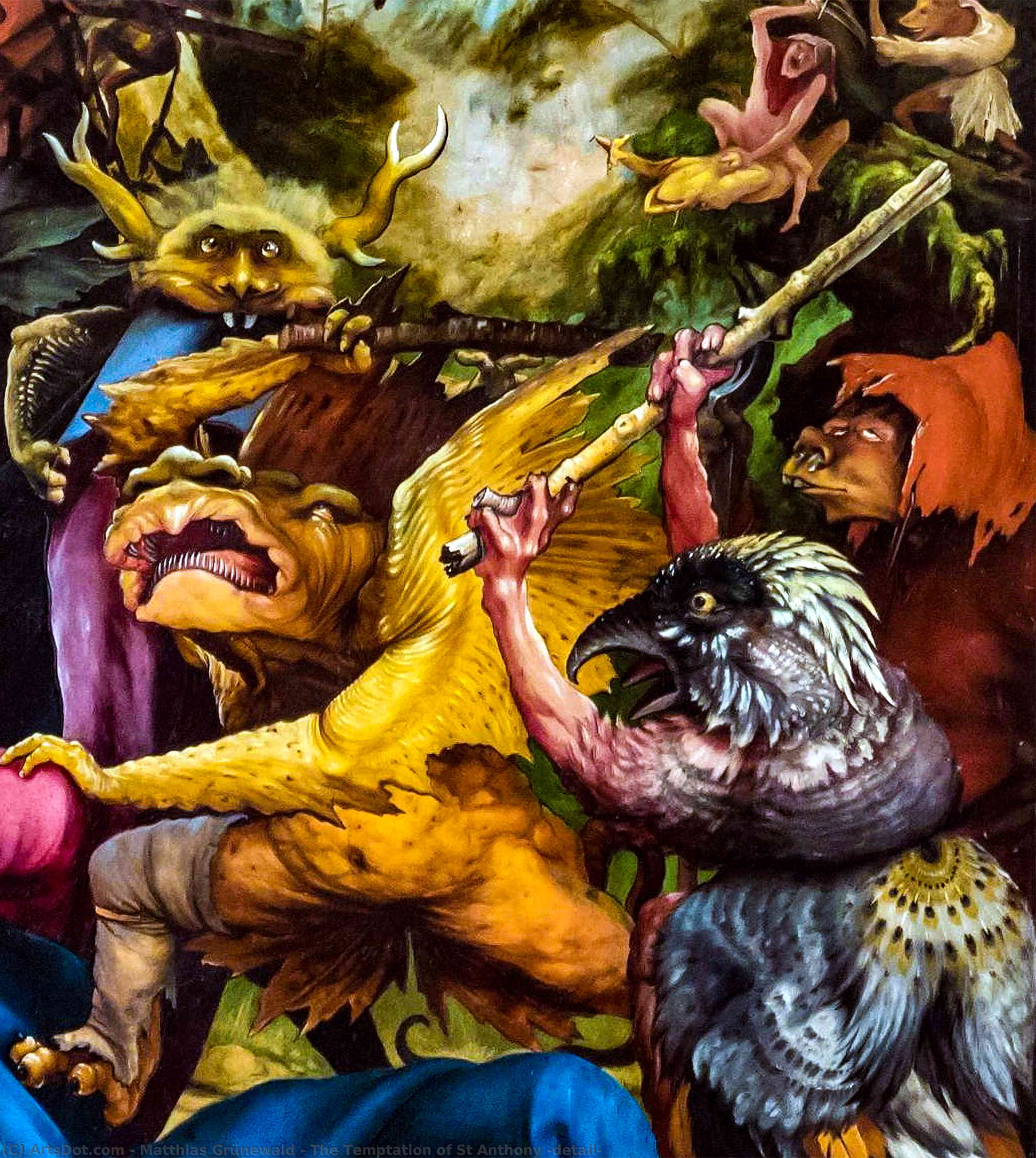
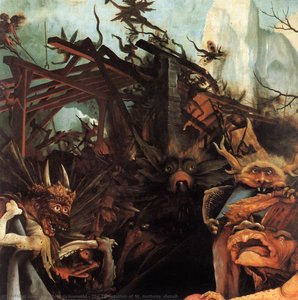
The Temptation of St Anthony (detail)


 Read More
Purchase a high-resolution, enhanced digital image, far superior to the online preview.
Each file is meticulously prepared by our in-house specialists using advanced tools and expert manual retouching. We ensure every image has exceptional clarity, precise color accuracy, and fine detail.
The final file is delivered via email within 72 hours, optimized for immediate use in professional, editorial, and print environments. This is the same quality trusted by top-tier design studios, publishers, and galleries.
Digital Image
Download a high-resolution file for personal display, printing, and creative projects. ( Buy Print Buy Hand Made Painting)
Included in Every Digital Image Order
Expert Digital Delivery, Guaranteed
When you choose ArtsDot.com, you're not just getting an image - you're receiving a professionally enhanced digital artwork, crafted with precision and backed by a satisfaction guarantee. Here's everything that comes with your order, automatically:

Fast Email Delivery
Your high-resolution digital image file will be emailed to you within 72 hours of ordering - ready for immediate use.

AI-Enhanced Digital File
Your artwork is professionally optimized using advanced AI tools and manual editing, ensuring maximum detail, clarity, and color accuracy.

Free Lifetime Re-Delivery
Accidentally deleted or lost your file? No worries - we'll resend it to you anytime, free of charge.

No Import Fees - Ever
Enjoy your artwork instantly with zero customs, duties, or delivery fees - digital downloads are always tax-free.

Color Accuracy Guarantee
We ensure your digital image reflects the original colors as closely as possible using professional tools and color management.

60-Day Satisfaction Guarantee
If you're not satisfied with your digital image, we'll revise it or refund 100% within 60 days - no questions asked.

100% Money-Back Guarantee
Not satisfied? Get a full refund within 60 days of receiving your digital file - no questions asked.

Bulk Order Discounts
Buy 3 images, save 10% - Buy 5, save 15% - Buy 10+, save 20%. Great for creative projects, galleries, and agencies.
Collectible Description
Matthias Grünewald’s “The Temptation of St Anthony”: A Descent Into Darkness Illuminated by Faith
Matthias Grünewald’s “The Temptation of St Anthony,” housed in the Musée d'Unterlinden, Colmar, France, stands as a monumental achievement of Northern Renaissance art—a visceral depiction of spiritual struggle rendered with unparalleled psychological depth and artistic virtuosity. Completed around 1515 as part of the Isenheim Altarpiece, commissioned by Archbishop Albert of Brandenburg for St. Ludger’s Cathedral in Mainz, Grünewald's masterpiece transcends mere religious iconography; it confronts viewers with a harrowing exploration of human vulnerability against overwhelming temptation.
- Historical Context: Grünewald’s work emerged during a period of profound intellectual and artistic ferment—the Northern Renaissance. Driven by humanist ideals originating in Italy, artists like Albrecht Dürer sought to revive classical principles while simultaneously forging new expressive languages rooted in medieval traditions. Grünewald skillfully navigated this tension, prioritizing emotional intensity and meticulous observation over formal imitation.
- Composition & Symbolism: The painting’s chaotic composition immediately draws the eye into a hallucinatory landscape populated by grotesque demons—a deliberate echo of medieval anxieties surrounding demonic influence. Grünewald employs a masterful use of color—primarily earthy hues punctuated by flashes of crimson and gold—to heighten dramatic effect. Recurring symbols—the tormented saint, the ruined tower representing asceticism, the fiery city symbolizing divine protection—contribute to a multilayered narrative exploring themes of faith, doubt, and redemption.
- Technique: Grünewald’s technique is characterized by painstaking detail and expressive brushwork—a hallmark of Altarpiece painting. He utilizes oil paint with remarkable precision, layering thin glazes to achieve luminous color gradations and capturing subtle nuances of texture. The artist's masterful rendering of anatomical realism underscores the psychological portrayal of St Anthony’s inner turmoil.
- Emotional Impact: “The Temptation of St Anthony” compels viewers to confront uncomfortable truths about human nature—the capacity for succumbing to temptation despite unwavering conviction. Grünewald’s depiction of despair and torment resonates powerfully with audiences centuries later, serving as a timeless meditation on the battle between good and evil.
The Isenheim Altarpiece: A Canvas of Suffering and Divine Grace
“The Temptation of St Anthony” is inextricably linked to its larger context—the Isenheim Altarpiece. Created for St. Ludger’s Cathedral in Mainz during a time of plague and religious fervor, the altarpiece represents one of the most poignant expressions of Christian art—a visual chronicle of suffering endured by patients afflicted with ergotism (St Anthony's Fire), a debilitating neurological disorder caused by fungal contamination of rye grain.
- Narrative Complexity: The Altarpiece unfolds in three distinct stages, each conveying a crucial aspect of the saint’s spiritual journey. Grünewald meticulously depicts scenes from St Anthony’s life—his monastic vows, his pilgrimage to Jerusalem, and his final encounter with Christ—creating a dramatic tableau that underscores the transformative power of faith.
- Psychological Depth: Grünewald's masterful portrayal of human emotion—fear, anguish, compassion—elevates the Altarpiece beyond mere decorative splendor. He captures the psychological torment experienced by St Anthony and his fellow monks with breathtaking sensitivity, reflecting the profound spiritual anxieties of the era.
- Symbolic Resonance: Recurring motifs—the ruined tower symbolizing asceticism, the fiery city representing divine protection, the saint’s unwavering gaze—reinforce the Altarpiece's central themes. Grünewald employs symbolism to communicate complex theological ideas in a visually arresting manner.
A Legacy of Dramatic Expression: Grünewald’s Influence on Renaissance Art
Matthias Grünewald’s “The Temptation of St Anthony” exerted an indelible influence on subsequent generations of artists—particularly Albrecht Dürer, who served as Grünewald's protégé. Unlike Dürer’s meticulous realism and classical ideals, Grünewald prioritized emotional intensity and expressive brushwork—a stylistic departure that nevertheless upheld the humanist tradition of observation and psychological insight.
- Formal Innovation: Grünewald’s technique—characterized by thin glazes and layered brushstrokes—challenged prevailing artistic conventions. He demonstrated a willingness to experiment with new visual languages while retaining the spiritual core of medieval art.
- Emotional Resonance: Grünewald's ability to convey profound psychological states—despair, torment, compassion—established him as a pioneer in expressive painting. His work continues to inspire artists today who strive to capture the complexities of human experience.
“The Temptation of St Anthony” remains an enduring testament to Grünewald’s artistic genius—a masterpiece that transcends time and culture, inviting viewers to contemplate the eternal struggle between darkness and light, faith and doubt.
Related Artworks


Artist Biography
Matthias Grünewald: Life and Legacy
Early Life and Artistic Beginnings
Matthias Grünewald, born Mathis Gothart Neithardt around 1470-1475 in Würzburg, Germany, was a pivotal figure of the German Renaissance. Despite living during a period increasingly influenced by Italian Renaissance ideals, Grünewald remained deeply rooted in the artistic traditions of late medieval Central Europe. Details about his early life are scarce, but it’s known he received training as an artist, likely within local workshops.
Artistic Development and Influences
Grünewald's artistic development was shaped by the prevailing Northern European traditions of realism, emotional intensity, and detailed observation. His work shows influences from artists like Albrecht Dürer and Martin Schongauer, but he forged a unique path characterized by dramatic expression and vivid color. He wasn’t directly involved with the humanist circles prevalent in Italy; instead, his art served primarily religious purposes, reflecting the spiritual anxieties of his time.
Major Works and Artistic Style
- The Isenheim Altarpiece (1512-1516): This masterpiece, housed at the Musée d'Unterlinden in Colmar, is considered Grünewald’s magnum opus. It depicts scenes from the life of Christ with harrowing realism, particularly focusing on suffering and redemption.
- The Crucifixion (c. 1502-1503): An early work demonstrating his developing style, showcasing intense emotion and anatomical detail.
- Virgin of the Annunciation (1512-14): A study for the Isenheim Altarpiece, revealing his meticulous planning process.
- Moses (1511): A drawing highlighting Grünewald’s skill in capturing expressive figures and dramatic poses.
Grünewald's style is distinguished by:
- Dramatic Composition: He employed dynamic arrangements to heighten emotional impact.
- Vivid Color Palette: His use of intense, often contrasting colors created a powerful visual experience.
- Realistic Depiction of Suffering: Grünewald didn’t shy away from portraying the physical and emotional pain associated with religious narratives.
- Expressive Figures: His figures are imbued with strong emotions and psychological depth.
Historical Significance and Legacy
Grünewald's work stands as a testament to the enduring power of medieval artistic traditions in Germany during the Renaissance. He bridged the gap between the late Gothic style and the emerging Renaissance, creating a unique visual language that resonated with his contemporaries. His influence can be seen in later German artists who continued to explore themes of religious fervor and emotional intensity. While largely forgotten for centuries after his death in 1528, Grünewald experienced a revival in the 19th century, and today he is recognized as one of the most important painters of the German Renaissance. His art continues to captivate viewers with its raw emotion, technical brilliance, and profound spiritual depth.
Further Exploration
Discover more about Matthias Grünewald’s life and works at: ArtsDot
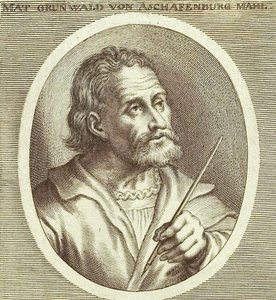
matthias grünewald
1480 - 1528 , Germany
Quick Facts
- Birth Date: c. 1470–1475
- Birth Place: Würzburg, Germany
- Death Date: 1528
- Movement: German Renaissance, Late Medieval
- Name: Matthias Grünewald
- Nationality: German
- Notable Works: Isenheim Altarpiece, The Crucifixion

