

 Preview
 Send
Send Share
Share
 Details

 Download
 Similars
 X-Ray
X-Ray Diaporama
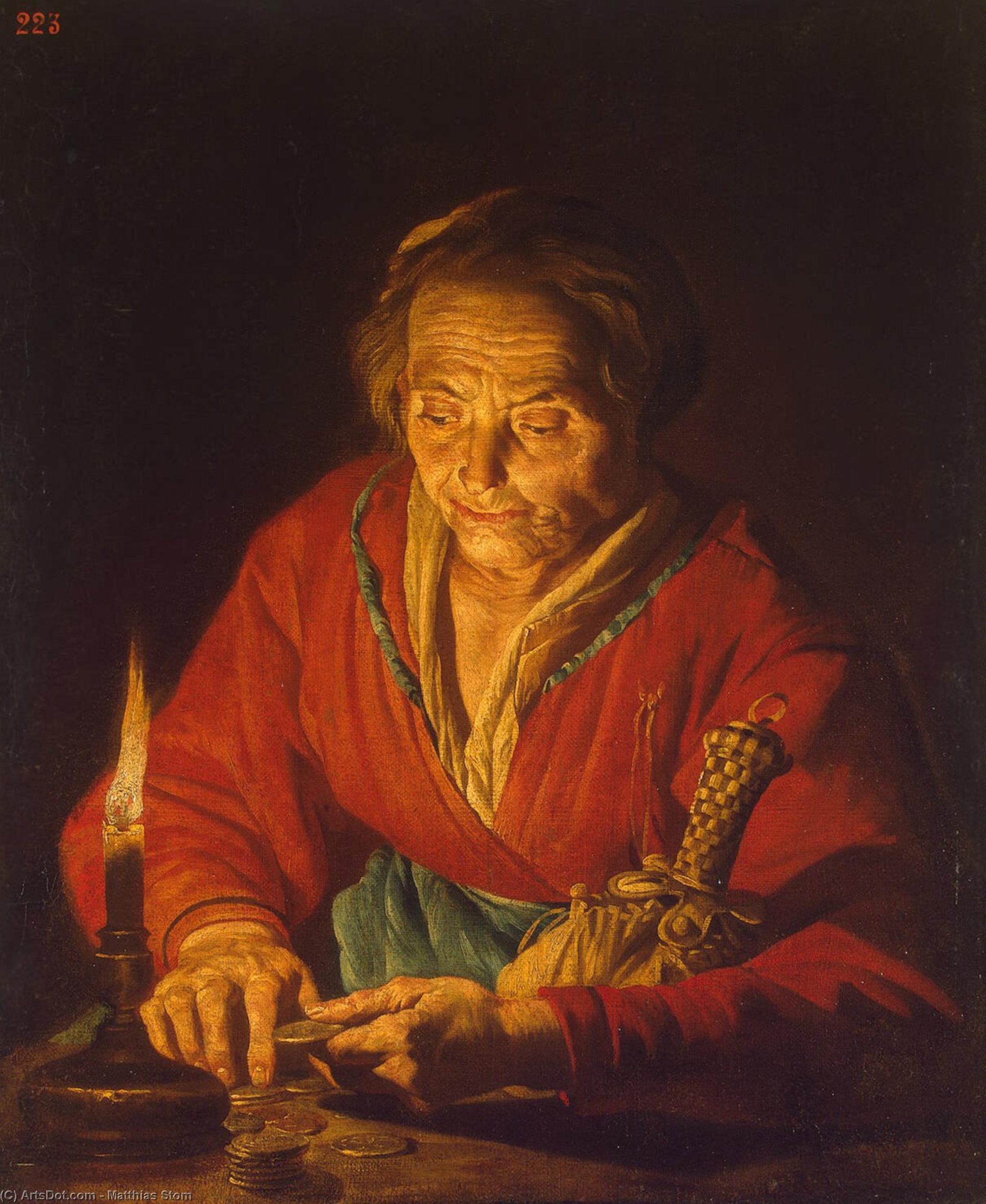
Old Woman with a Candle
 Oil On Canvas
- WallArt
- Baroque Darkness
 1640
1640 85.0 x 71.0 cm
 Hermitage Museum
 Read More
Purchase a high-resolution, enhanced digital image, far superior to the online preview.
Each file is meticulously prepared by our in-house specialists using advanced tools and expert manual retouching. We ensure every image has exceptional clarity, precise color accuracy, and fine detail.
The final file is delivered via email within 72 hours, optimized for immediate use in professional, editorial, and print environments. This is the same quality trusted by top-tier design studios, publishers, and galleries.
Digital Image
Download a high-resolution file for personal display, printing, and creative projects. ( Buy Print Buy Hand Made Painting)
Included in Every Digital Image Order
Expert Digital Delivery, Guaranteed
When you choose ArtsDot.com, you're not just getting an image - you're receiving a professionally enhanced digital artwork, crafted with precision and backed by a satisfaction guarantee. Here's everything that comes with your order, automatically:

Fast Email Delivery
Your high-resolution digital image file will be emailed to you within 72 hours of ordering - ready for immediate use.

AI-Enhanced Digital File
Your artwork is professionally optimized using advanced AI tools and manual editing, ensuring maximum detail, clarity, and color accuracy.

Free Lifetime Re-Delivery
Accidentally deleted or lost your file? No worries - we'll resend it to you anytime, free of charge.

No Import Fees - Ever
Enjoy your artwork instantly with zero customs, duties, or delivery fees - digital downloads are always tax-free.

Color Accuracy Guarantee
We ensure your digital image reflects the original colors as closely as possible using professional tools and color management.

60-Day Satisfaction Guarantee
If you're not satisfied with your digital image, we'll revise it or refund 100% within 60 days - no questions asked.

100% Money-Back Guarantee
Not satisfied? Get a full refund within 60 days of receiving your digital file - no questions asked.

Bulk Order Discounts
Buy 3 images, save 10% - Buy 5, save 15% - Buy 10+, save 20%. Great for creative projects, galleries, and agencies.
Collectible Description
A Shadowy Master of the Baroque: Unveiling Matthias Stom
The name Matthias Stom, or Stomer as he was sometimes known, resonates with a captivating mystery within the annals of 17th-century painting. A Dutch artist whose life remains shrouded in ambiguity, Stom carved a distinctive niche for himself not in his homeland, but amidst the vibrant artistic landscape of Italy. Born around 1600, likely in Amersfoort near Utrecht, he emerged as a compelling figure within the orbit of Caravaggism—a movement defined by its dramatic use of light and shadow, and an unflinching commitment to realism. While definitive biographical details are scarce, piecing together fragmented records and stylistic analysis reveals a journey marked by artistic exploration and a profound engagement with the prevailing Baroque sensibilities. The very uncertainty surrounding his origins – some scholars suggest possible Flemish roots – adds to the enigmatic allure that surrounds his oeuvre. From Utrecht Influences to Sicilian Mastery Stom’s formative years in Utrecht instilled within him an appreciation for meticulous observation and compositional balance, characteristics that would subsequently permeate his artistic endeavors. However, it was his relocation to Sicily—commissioned by Prince Ferdinando Gonzaga—that truly cemented his reputation as a virtuoso of Caravaggism. Under the patronage of Gonzaga, Stom flourished amidst the opulent courts of Europe, honing his skills in capturing the psychological depth and visceral immediacy demanded by this revolutionary style. This period witnessed the creation of numerous masterpieces, demonstrating Stom’s unparalleled ability to translate biblical narratives into emotionally resonant visual experiences. The Dramatic Power of Light and Shadow: Caravaggism Revisited At the core of Stom's artistic vision lay Caravaggism—a stylistic paradigm that prioritized tenebrismo—the masterful manipulation of light and darkness—to heighten dramatic tension and evoke profound emotional responses. Like his mentor Gerard van Honthorst, Stom meticulously studied the techniques employed by Rubens and Rembrandt, absorbing their mastery of chiaroscuro and utilizing similar strategies to sculpt form from shadow and illuminate key elements within his compositions. This deliberate orchestration of illumination served not merely as a decorative element but as an integral component of conveying narrative meaning—drawing viewers into the scene’s psychological drama and immersing them in its atmospheric intensity. Symbolism Embedded Within Composition: The Iconography of Doubt and Belief Beyond mere technical prowess, Stom's paintings are laden with symbolic significance—reflecting the theological preoccupations of his time and embodying profound philosophical concepts. In “Old Woman with a Candle,” the central figure embodies doubt—represented by her gaze directed downwards—while the candle symbolizes faith—illuminating her face and casting shadows that underscore the complexities of spiritual inquiry. The inclusion of other figures—a man and a woman—further enriches the narrative tapestry, suggesting the multifaceted nature of human experience and highlighting the interplay between reason and emotion. These subtle visual cues invite contemplation and encourage viewers to grapple with fundamental questions concerning faith, mortality, and the pursuit of truth. A Legacy Illuminated: Rediscovering Stom’s Artistic Genius Despite the paucity of biographical information, Matthias Stom's artistic legacy continues to inspire admiration and scholarly investigation. His paintings—characterized by their unwavering commitment to realism, their masterful use of Caravaggism’s dramatic techniques, and their profound symbolic depth—stand as testaments to the enduring power of art to communicate complex ideas and evoke visceral emotional responses. The rediscovery of “The Incredulity of Saint Thomas,” attributed to Stom after decades of misattribution, underscores the importance of meticulous archival research and reaffirms Stom’s position as a pivotal figure within Baroque painting—a shadowy master whose oeuvre remains a captivating source of artistic inspiration.Related Artworks








Artist Biography
A Shadowy Master of the Baroque: Unveiling Matthias Stom
The name Matthias Stom, or Stomer as he was sometimes known, resonates with a captivating mystery within the annals of 17th-century painting. A Dutch artist whose life remains shrouded in ambiguity, Stom carved a distinctive niche for himself not in his homeland, but amidst the vibrant artistic landscape of Italy. Born around 1600, likely in Amersfoort near Utrecht, he emerged as a compelling figure within the orbit of Caravaggism—a movement defined by its dramatic use of light and shadow, and an unflinching commitment to realism. While definitive biographical details are scarce, piecing together fragmented records and stylistic analysis reveals a journey marked by artistic exploration and a profound engagement with the prevailing Baroque sensibilities. The very uncertainty surrounding his origins – some scholars suggest possible Flemish roots – adds to the enigmatic allure that surrounds his oeuvre.From Utrecht Influences to Italian Immersion
Stom’s early training remains largely speculative, though it is widely believed he absorbed influences from prominent Utrecht Caravaggists like Gerard van Honthorst, Hendrick ter Brugghen, Paulus Moreelse and Abraham Bloemaert. These artists had embraced the revolutionary style of Michelangelo Merisi da Caravaggio, bringing its tenebrism—the stark contrast between light and dark—and emotionally charged realism to Dutch art. However, Stom’s artistic trajectory diverged from many of his contemporaries who favored genre scenes or allegorical compositions. He gravitated towards biblical narratives, imbuing them with a psychological depth and dramatic intensity that set him apart. Around 1630, he arrived in Rome, documented as living alongside the French painter Nicolas Provost. This marked a pivotal moment in his development, exposing him directly to the source of Caravaggio’s inspiration and allowing him to refine his technique within the heart of the Italian Baroque. His early Roman period culminated in the altarpiece of the Assumption of Mary with three saints, now housed in Chiuduno, showcasing his burgeoning mastery of chiaroscuro and narrative power.Naples, Sicily, and a Distinctive Artistic Voice
The subsequent chapters of Stom’s artistic life unfolded across the Italian peninsula. From approximately 1635 to 1640, he resided in Naples, a city teeming with artistic energy and under the strong influence of the Spanish painter Jusepe de Ribera. This exposure further honed his dramatic style, adding a heightened sense of realism and emotional intensity to his work. It was during this period that Stom began creating pieces for Capuchin churches, solidifying his reputation as a skilled religious painter. Around 1640, he moved to Sicily, where he would spend the most significant portion of his career. Here, he received commissions for churches in Caccamo, Messina, and Monreale, producing some of his most celebrated works. The Miracle of Saint Isidore the Labourer (1641) stands as his only securely dated painting, a testament to his ability to capture both the spiritual fervor and human drama of religious events. Other notable Sicilian creations include *Saint Dominic* in Monreale and, tragically lost during the 1908 Messina earthquake, *The Martyrdom of Saint Cecilia*. Stom’s distinctive “claylike” treatment of flesh tones, coupled with his masterful use of light and shadow, became hallmarks of his style.Rediscovery and Lasting Legacy
Despite his prolific output during his lifetime, Matthias Stom fell into relative obscurity for centuries after his death, which occurred sometime after 1652, likely in Northern Italy. Many of his works were misattributed to other artists, particularly Gerard van Honthorst, obscuring his individual contribution to the Baroque movement. It wasn’t until the early 20th century that dedicated scholarship began to unravel the mystery surrounding Stom, establishing him as a significant figure within the Utrecht Caravaggist school. His rediscovery revealed an artist of remarkable skill and sensitivity, capable of conveying profound emotional depth through his dramatic compositions. Stom's legacy lies in his ability to synthesize Italian Baroque influences with Northern European sensibilities, creating a unique artistic voice that continues to captivate viewers today. He demonstrated the powerful adaptability of Caravaggio’s style, proving its resonance beyond Italy and inspiring generations of artists with his masterful use of light, shadow, and realistic portrayal of religious subjects.Key Characteristics of Stom's Work
- Dramatic Chiaroscuro: A hallmark of his style, employing strong contrasts between light and dark to create a sense of drama and focus attention.
- Realistic Depiction: An unflinching commitment to portraying figures and scenes with anatomical accuracy and emotional honesty.
- Biblical Narratives: Primarily focused on religious subjects, particularly stories from the Bible, imbued with psychological depth.
- “Claylike” Flesh Tones: A distinctive technique characterized by a warm, earthy palette used to render skin tones.
- Influence of Caravaggio and Ribera: Demonstrates a clear understanding and adaptation of the styles of these Baroque masters.
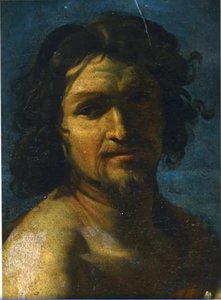
Matthias Stom
1590 - 1670 , Netherlands
Quick Facts
- Artistic Movement Or Style: Utrecht Caravaggism
- Artists Or Movements Influenced By This Artist: ['Later Baroque artists']
- Artists Who Influenced This Artist:
- Caravaggio
- Jusepe de Ribera
- Date Of Birth: c. 1600
- Date Of Death: after 1652
- Full Name: Matthias Stom
- Nationality: Dutch
- Notable Artworks:
- Assumption of Mary
- Miracle of Saint Isidore
- Saint Dominic
- The Judgement of Solomon
- Place Of Birth: Amersfoort, Netherlands

