 Preview
 Send
Send Share
Share
 Details

 Download
 Similars
 X-Ray
X-Ray Diaporama
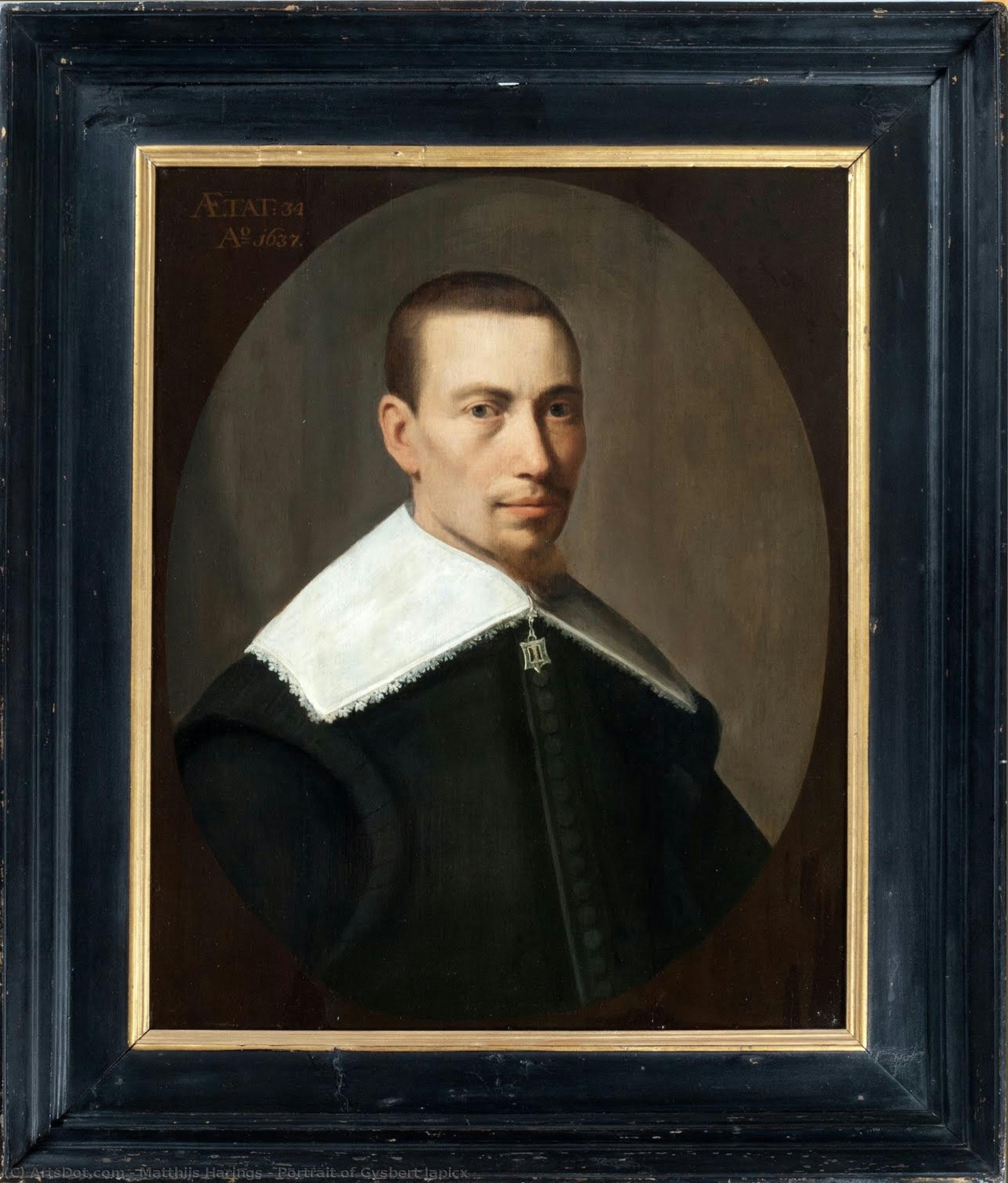
Portrait of Gysbert Japicx
 1637
1637 67.0 x 55.0 cm
 Read More
Hand Made Oil Reproduction
Hand-painted oil on canvas in your size and frame, made to order by our artists. ( Buy Print Buy Image)




































Pick from our preset sizes that match the artwork's original proportions.

You may enter your own dimensions to fit a specific frame or space. If your selected size does not match the original image's proportions, we will either crop the artwork or extend the painting with additional hand-painted elements. A digital mockup will be sent for your approval before production begins.
Please note that the on-screen preview does not reflect the actual cropping or extension. Only the mockup will accurately show the final composition.
While custom sizes are available, we recommend selecting a dimension from the predefined list to preserve the original proportions.
After order, ArtsDot.com team will email client for instructions and provide a mockup preview
Worldwide Delivery () in 3/4 weeks instead of standard 5 weeks. (24 August). No compromise on quality.

Free Worldwide Express Shipping

High-Quality Linen Canvas

Full Shipping Insurance

Customs Tax Refund Guarantee

True Color Matching Guarantee

60-Day Return Policy (Defects Only)

100% Money-Back Guarantee

Bulk Discount Offer
 Glass option is only available in size under 110 CM

Portrait of Gysbert Japicx
Reproduction Medium
Reproduction Size
-


Total Price
$ 263
Artwork Description
Related Artworks






Artist Biography
Giuseppe Arcimboldo: The Master of Impossibility
Giuseppe Arcimboldo (1527-1593) wasn’t merely a painter; he was an illusionist, a master of visual paradox. Born in Milan during a period of artistic flourishing, Arcimboldo defied conventional portraiture by transforming the familiar into the fantastical – creating elaborate, composite images that seemed to breathe with life. His work, characterized by its meticulous detail and playful use of natural elements, remains remarkably relevant today, demonstrating an unparalleled ability to blend artifice and reality.
Arcimboldo’s early career was steeped in the traditions of Milanese painting, particularly within the service of the Duke of Milan. He began as a stained-glass designer for the Duomo, quickly gaining recognition for his intricate designs. This experience honed his skills in composition and color, providing a foundation upon which he would later build his revolutionary portraiture. His work with frescoes for Monza Cathedral further solidified his reputation as a skilled craftsman, demonstrating an understanding of perspective and decorative techniques.
The Birth of the “Vegetable Portrait”
Arcimboldo’s breakthrough came in 1563 when he was commissioned to paint portraits of Emperor Ferdinand I and Empress Isabella. Rather than depicting them in traditional attire, Arcimboldo constructed their likenesses entirely from fruits, vegetables, flowers, and even books – a technique that would become his signature style. These “vegetable portraits,” as they’re often called, were not simply decorative; they were carefully considered statements about the subjects' personalities and status. The abundance of produce spoke to wealth and prosperity, while the specific arrangement hinted at their virtues or interests.
The influence behind this innovative approach is debated. Some scholars suggest a connection to Renaissance still-life painting, particularly the works of Leonardo da Vinci, who emphasized the beauty and symbolism of natural objects. Others point to Arcimboldo’s interest in theatrical design and stagecraft – he was known to work as a set designer for court performances. Regardless of its precise origins, this technique quickly captivated audiences and established Arcimboldo as a unique and unforgettable artist.
A Flourishing Career: From Milan to Vienna
Arcimboldo’s career spanned several decades and included commissions from prominent figures across Europe. He served the courts of Florence, Venice, Naples, and ultimately, Vienna, where he spent his final years as court painter to Archduke Charles II. His work during this period showcased a remarkable versatility, ranging from elaborate vegetable portraits to more traditional religious and mythological scenes.
During his time in Vienna, Arcimboldo continued to experiment with his signature style, creating iconic images such as “The Pale Lady” (1587), a haunting portrait constructed entirely of flowers and feathers. This piece, along with many others, demonstrates his mastery of color, texture, and composition – elements that contribute to the enduring appeal of his work.
Legacy and Influence
Giuseppe Arcimboldo’s legacy extends far beyond his own lifetime. His innovative approach to portraiture profoundly influenced subsequent generations of artists, particularly in the 18th and 19th centuries. The concept of creating composite images – using disparate elements to form a cohesive whole – became a recurring theme in art and design. Artists like Max Ernst and Salvador Dalí were deeply inspired by Arcimboldo’s playful use of symbolism and his ability to challenge conventional notions of representation.
Today, Arcimboldo's work continues to fascinate and inspire viewers around the world. His images are not merely beautiful; they invite us to contemplate the relationship between artifice and reality, and to see the extraordinary in the ordinary. He remains a testament to the power of imagination and the enduring appeal of visual illusion.
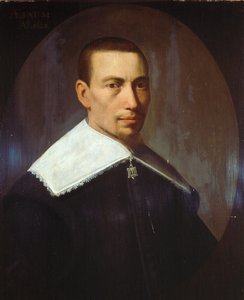
matthijs harings
1593 - 1667 , Netherlands
Quick Facts
- Artistic Movement Or Style: Baroque
- Artists Or Movements Influenced By This Artist: ['Italian Baroque']
- Artists Who Influenced This Artist: ['Caravaggio']
- Date Of Birth: 1527-04-05
- Date Of Death: 1593-07-11
- Full Name: Giuseppe Arcimboldo
- Nationality: Italian
- Notable Artworks:
- Susanna and Elders
- Winter Garden
- Roderer's Feast
- Place Of Birth: Milan, Italy