

 Preview
 Send
Send Share
Share
 Details

 Download
 Similars
 X-Ray
X-Ray Diaporama
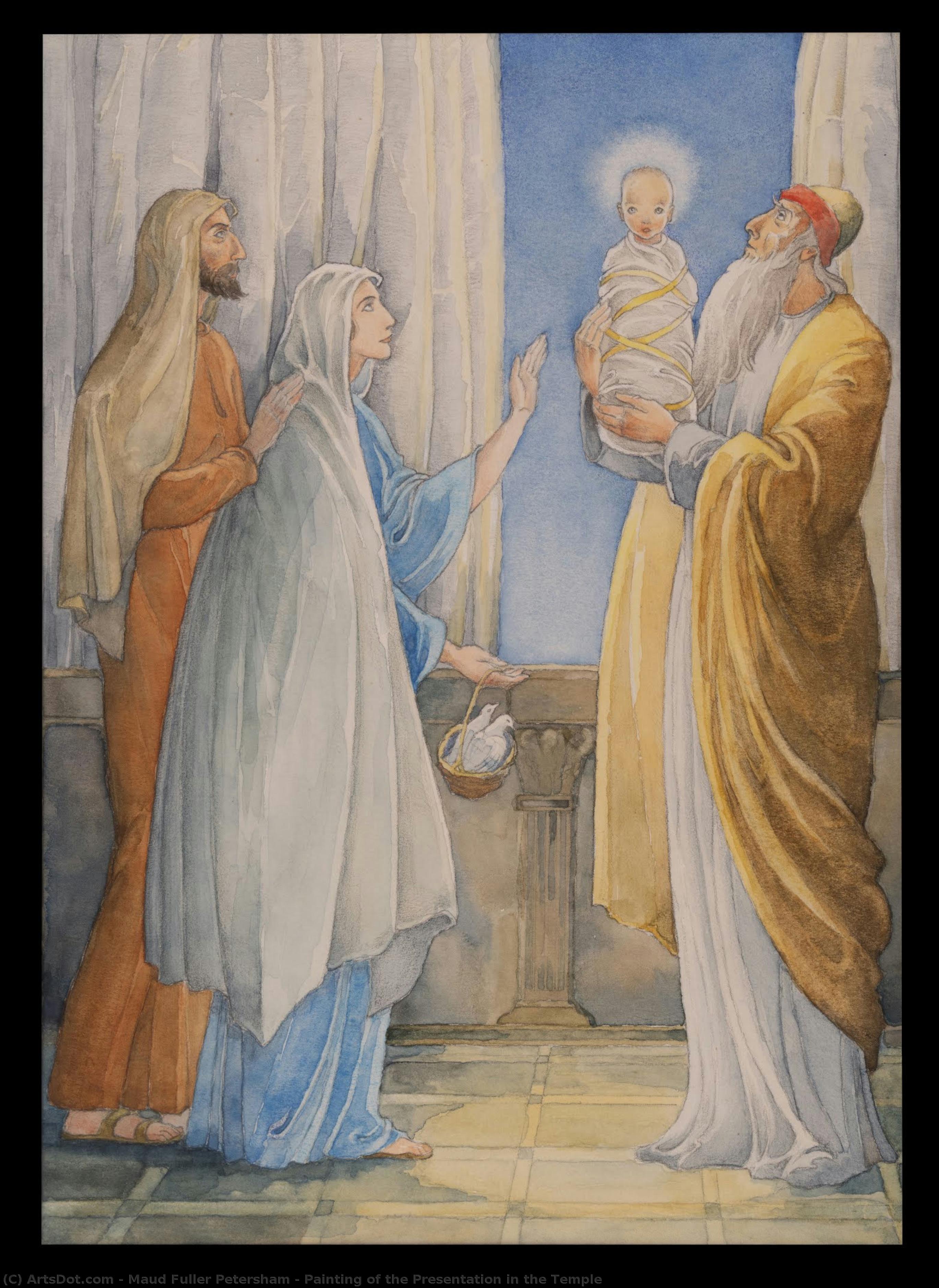
Painting of the Presentation in the Temple
 33.0 x 25.0 cm
 Glencairn Museum
 Read More
Hand Made Oil Reproduction
Hand-painted oil on canvas in your size and frame, made to order by our artists. ( Buy Print Buy Image)




































Pick from our preset sizes that match the artwork's original proportions.

You may enter your own dimensions to fit a specific frame or space. If your selected size does not match the original image's proportions, we will either crop the artwork or extend the painting with additional hand-painted elements. A digital mockup will be sent for your approval before production begins.
Please note that the on-screen preview does not reflect the actual cropping or extension. Only the mockup will accurately show the final composition.
While custom sizes are available, we recommend selecting a dimension from the predefined list to preserve the original proportions.
After order, ArtsDot.com team will email client for instructions and provide a mockup preview
Worldwide Delivery () in 3/4 weeks instead of standard 5 weeks. (5 September). No compromise on quality.

Free Worldwide Express Shipping

High-Quality Linen Canvas

Full Shipping Insurance

Customs Tax Refund Guarantee

True Color Matching Guarantee

60-Day Return Policy (Defects Only)

100% Money-Back Guarantee

Bulk Discount Offer
 Glass option is only available in size under 110 CM

Painting of the Presentation in the Temple
Reproduction Medium
Reproduction Size
-


Total Price
$ 263
Related Artworks









Artist Biography
Vincent van Gogh: A Life Painted in Light and Emotion
Vincent van Gogh, a name synonymous with passionate brushstrokes and intensely colored landscapes, remains one of the most recognizable figures in art history. Born in 1853 in Groot-Zundert, Netherlands, his life was tragically short – just seven years spanning his artistic career – yet within that brief period, he produced over two thousand works: paintings, drawings, and prints that continue to captivate audiences worldwide. More than simply a painter, Van Gogh was an innovator, a revolutionary who fundamentally altered the course of modern art, paving the way for Expressionism and profoundly influencing generations of artists.
Van Gogh’s early life offered little indication of his future artistic destiny. He initially pursued various paths – working as an art dealer, a missionary in a coal-mining community in Belgium, and even a teacher – each endeavor ultimately failing to satisfy his restless spirit. It wasn't until his late twenties that he finally embraced painting with unwavering dedication, driven by a profound desire to capture the essence of life and experience. This decision was largely influenced by his brother, Theo, who provided not only financial support but also an invaluable emotional anchor throughout Vincent’s turbulent career.
The Formation of Style: From Nuenen to Paris
Van Gogh's artistic journey began in 1880 with a deliberate return to his rural roots. He spent two years in Nuenen, painting portraits of peasants and still lifes – works characterized by their somber tones and meticulous attention to detail. These early pieces, such as *The Potato Eaters*, reflect a deep empathy for the working class and a commitment to portraying everyday life with unflinching honesty. The dark palette and coarse brushwork were deliberate choices, intended to convey the hardships and dignity of rural existence.
In 1886, seeking artistic stimulation and technical refinement, Van Gogh moved to Paris, where he encountered the vibrant world of Impressionism and Post-Impressionism. He was immediately drawn to the techniques of artists like Claude Monet, Edgar Degas, and Paul Cézanne, absorbing their use of light, color, and broken brushstrokes. However, unlike the Impressionists who focused on capturing fleeting moments of visual perception, Van Gogh sought a deeper emotional resonance in his art. His palette gradually brightened, influenced by the Neo-Impressionist theory of complementary colors – using contrasting hues to intensify each other’s brilliance. This shift is powerfully evident in *Self-Portrait with a Straw Hat*, showcasing his experimentation with color and form.
Southern France: A Burst of Color and Intense Emotion
Following his Parisian sojourn, Van Gogh settled in Arles in the south of France in 1888, hoping to establish an artist’s colony. This period marked a significant turning point in his artistic development, as he found inspiration in the region's dazzling light, vibrant landscapes, and diverse subjects – sunflowers, cypress trees, wheatfields, and local inhabitants. His paintings from this time are characterized by their bold colors, dynamic brushwork, and heightened emotional intensity. Works like *Sunflowers*, *The Night Café*, and *Starry Night Over the Rhône* exemplify his ability to convey a sense of movement, energy, and profound feeling through color and form.
However, this period was also marked by increasing mental instability. Van Gogh struggled with bouts of depression and anxiety, exacerbated by isolation and artistic frustration. Despite these challenges, he continued to paint relentlessly, driven by an almost obsessive need to express himself. The famous *Starry Night*, painted during his stay at the Saint-Paul-de-Mausole asylum in Saint-Rémy, is a testament to this inner turmoil – a swirling vortex of color and emotion that reflects both beauty and despair.
Legacy and Historical Significance
Vincent van Gogh died on July 29, 1890, at the age of 37, following a self-inflicted gunshot wound. His death was largely unnoticed during his lifetime, but in the decades that followed, his work gradually gained recognition as a cornerstone of modern art. The Fauves and German Expressionists championed his expressive style, recognizing its radical departure from traditional artistic conventions. Today, Van Gogh’s paintings are celebrated for their emotional honesty, innovative use of color, and profound exploration of the human condition.
His legacy extends far beyond the realm of art history. Van Gogh's life story – a tale of passion, struggle, and unwavering dedication to his craft – has resonated with audiences worldwide, inspiring countless artists, writers, and musicians. He remains an enduring symbol of artistic genius, vulnerability, and the transformative power of creativity.
maud fuller petersham
1890 - 1971 , United States of America
Quick Facts
- Artistic Movement Or Style: Post-Impressionism
- Artists Or Movements Influenced By This Artist:
- Fauves
- Expressionism
- Artists Who Influenced This Artist:
- Jean-François Millet
- Charles Bargue
- Date Of Birth: March 30, 1853
- Date Of Death: July 29, 1890
- Full Name: Vincent Willem van Gogh
- Nationality: Dutch
- Notable Artworks:
- Starry Night
- Sunflowers
- Bedroom in Arles
- Place Of Birth: Ghent, Netherlands


