 Preview
 Send
Send Share
Share
 Details

 Download
 Similars
 X-Ray
X-Ray Diaporama
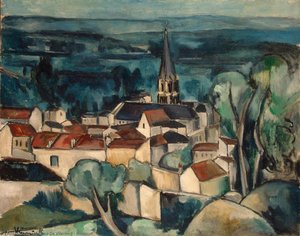
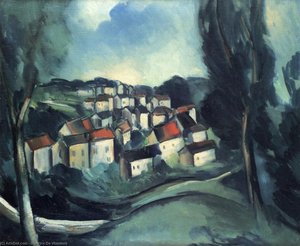
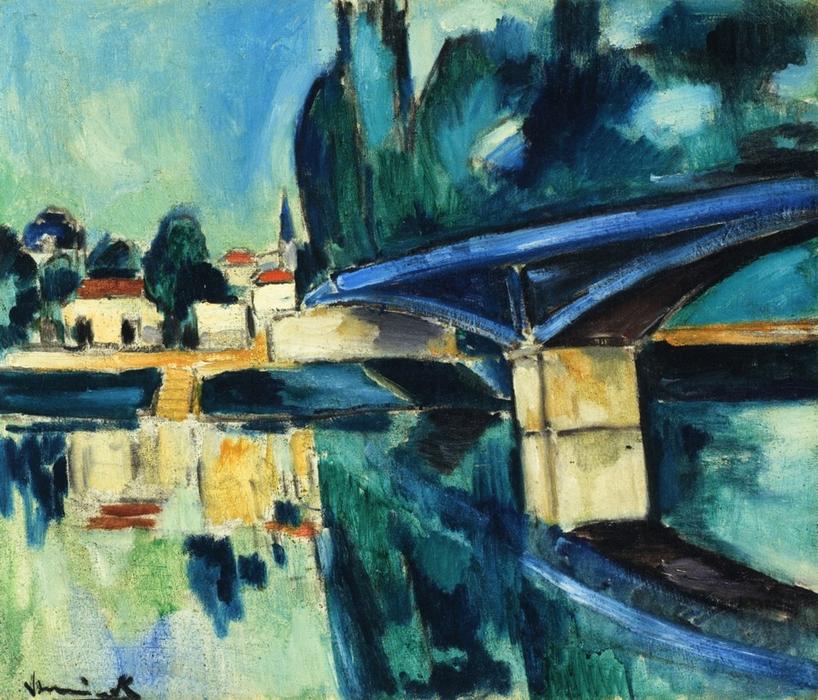
The Bridge at Nogent


 Read More
Hand Made Oil Reproduction
Hand-painted oil on canvas in your size and frame, made to order by our artists. ( Buy Print Buy Image)




































Pick from our preset sizes that match the artwork's original proportions.

You may enter your own dimensions to fit a specific frame or space. If your selected size does not match the original image's proportions, we will either crop the artwork or extend the painting with additional hand-painted elements. A digital mockup will be sent for your approval before production begins.
Please note that the on-screen preview does not reflect the actual cropping or extension. Only the mockup will accurately show the final composition.
While custom sizes are available, we recommend selecting a dimension from the predefined list to preserve the original proportions.
After order, ArtsDot.com team will email client for instructions and provide a mockup preview
Worldwide Delivery () in 3/4 weeks instead of standard 5 weeks. (21 August). No compromise on quality.

Free Worldwide Express Shipping

High-Quality Linen Canvas

Full Shipping Insurance

Customs Tax Refund Guarantee

True Color Matching Guarantee

60-Day Return Policy (Defects Only)

100% Money-Back Guarantee

Bulk Discount Offer
 Glass option is only available in size under 110 CM

The Bridge at Nogent
Reproduction Medium
Reproduction Size
-


Total Price
$ 263
Artwork Description
Style and Technique
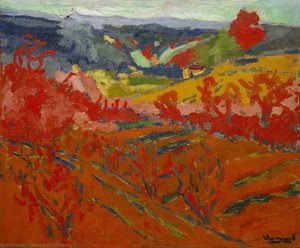
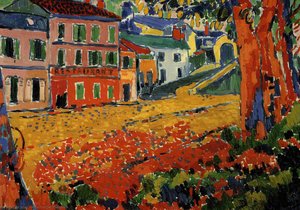
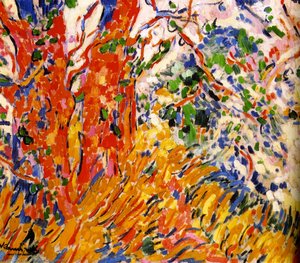
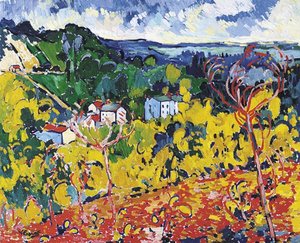
The The Bridge at Nogent is an oil on canvas painting, measuring 46 x 55 cm. The use of bold and vibrant colors, such as blues and greens, is a hallmark of the Fauvism style. The brushstrokes are bold and expressive, giving the painting a sense of spontaneity and movement. The overall atmosphere of the painting is peaceful and serene, inviting the viewer to step into the tranquil world of the artist.Artist and Movement
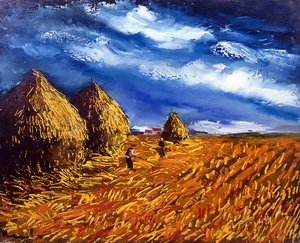
Maurice De Vlaminck was a French painter who was part of the Fauvism movement, along with other notable artists such as André Derain and Henri Matisse. The Fauvism movement emphasized painterly qualities and strong color over realistic values. The style began around 1904 and continued beyond 1910, with the movement itself lasting only a few years, from 1905 to 1908.- The Beauce Landscape is another notable painting by Maurice De Vlaminck, which showcases his mastery of the Fauvism style.
- The Beauce Landscape is a stunning oil on canvas painting that represents the best of the Fauvism movement.
The Centre Pompidou in Paris, France, is home to many notable works of art, including those by Wassily Wassilyevich Kandinsky. For more information on Fauvism and other art movements, visit the Fauvism Art Movement page on ArtsDot.
Related Artworks
Artist Biography
Early Life and Career
- Born: April 4, 1876, Paris, France
- Died: October 11, 1958
- Maurice de Vlaminck was born in Paris to a Flemish father who taught violin and a mother from Lorraine who taught piano. This musical upbringing influenced his artistic sensibility.
- He began painting relatively late in life, around the age of 20. Initially self-taught, he developed a passionate and instinctive approach to art.
The Fauvist Movement and Artistic Style
- Vlaminck is considered a key figure in the Fauve movement (1904-1908), characterized by its intense use of color and simplified forms.
- Alongside André Derain and Henri Matisse, he was part of this revolutionary group that challenged traditional artistic conventions.
- His style is marked by:
- Bold Color Choices: Vlaminck used vibrant, non-naturalistic colors to express emotion rather than represent reality accurately.
- Energetic Brushwork: His paintings feature thick, visible brushstrokes that convey a sense of dynamism and spontaneity.
- Simplified Forms: He often reduced objects and landscapes to their essential shapes, prioritizing expressive power over detailed representation.
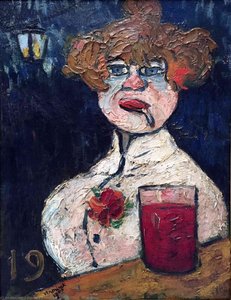
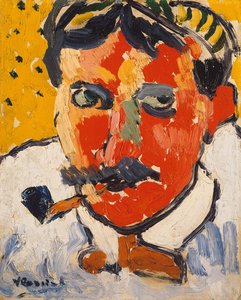
- Notable early works include "Sur le zinc" (At the Bar) and "L'homme à la pipe" (Man Smoking a Pipe), showcasing his distinctive style.
Influences and Artistic Development
- Impressionism: Vlaminck’s compositions demonstrate familiarity with Impressionist techniques, particularly in their focus on capturing fleeting moments and the effects of light.
- Vincent van Gogh: A profound influence on Vlaminck was Vincent van Gogh. After visiting a Van Gogh exhibition, he famously declared his admiration for the artist. This is evident in Vlaminck's expressive brushwork and emotional intensity.
- Paul Cézanne: From 1908 onwards, Vlaminck’s palette shifted towards more monochromatic tones, influenced by the work of Paul Cézanne.
- Later Work: His later paintings often featured a darker palette with heavy strokes of contrasting white paint, reflecting a shift in his artistic focus and emotional expression.
Major Achievements and Historical Significance
- Vlaminck’s participation in the Salon d'Automne exhibitions (particularly in 1905) helped to establish Fauvism as a significant force in modern art.
- His paintings are celebrated for their raw energy, emotional intensity, and innovative use of color.
- He played a crucial role in bridging the gap between Impressionism and Expressionism, paving the way for future artistic developments.
- Vlaminck’s work continues to be admired for its unique blend of spontaneity, passion, and technical skill.
Legacy and Available Works
- Today, Vlaminck's works are held in numerous museums and private collections worldwide.
- His paintings, such as "Bougival" and "The Bridge at Chatou," remain highly sought after by art collectors.
- ArtsDot offers a selection of his artworks for viewing and purchase, providing an opportunity to experience the vibrancy of his Fauvist style.
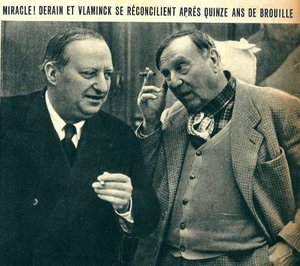
Maurice de Vlaminck
1876 - 1958 , France
Quick Facts
- Artistic Movement Or Style: Fauvism, Post-Impressionism
- Artists Who Influenced This Artist: ['Vincent van Gogh']
- Date Of Birth: April 4, 1876
- Date Of Death: October 11, 1958
- Full Name: Maurice de Vlaminck
- Nationality: French
- Notable Artworks:
- Sur le zinc
- L'homme à la pipe
- Sous bois
- Bougival
- The Bridge at Chatou
- The Bridge at Nogent
- Place Of Birth: Paris, France
Related Articles

Demandes Commerciales
APS ofrece reproducciones de bellas artes y encargos personalizados desde 2004. Confían en nosotros corporaciones, hoteles y coleccionistas selectos para obras de arte de calidad museística, servicio discreto y soluciones artísticas completas. ¡Póngase en contacto con nosotros para obtener un presupuesto personalizado!

Goya's Masterpieces: Explore 25 Iconic Paintings & Art Prints | ArtsDot
Delve into the world of Francisco Goya with ArtsDot. Explore 25 iconic paintings – from 'The Third of May' to his haunting Black Paintings. Discover the stories, techniques & emotions behind these Spanish masterpieces. Find museum-quality art reproductions for your home at ArtsDot.com!
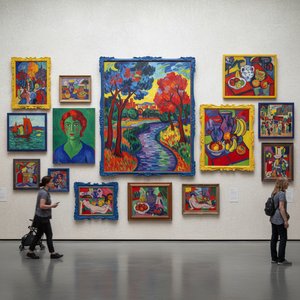
Fauvism's Bold Vision: 10 Masterpieces That Revolutionized Modern Art |
Explore the revolutionary world of Fauvism! Discover 10 masterpieces by Matisse, Derain & Vlaminck that defined this bold art movement. Find museum-quality reproductions and vibrant canvas prints to elevate your home decor at .
A riguardo di noi
Découvrez notre histoire ! Nous apportons l'art de classe mondiale dans votre vie grâce à une sélection experte, des créations personnalisées et des aperçus gratuits. Approuvé par les particuliers et les entreprises depuis 2000.
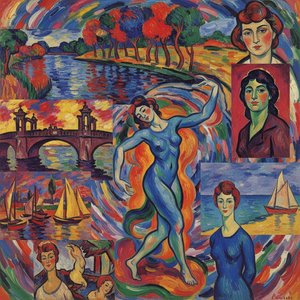
Fauvism's Boldest Visions: 10 Masterpieces That Revolutionized Modern Art | ArtsDot
Explore 10 Fauvist masterpieces by Matisse, Derain & Vlaminck that ignited Modern Art! Discover bold colors, expressionist landscapes & the history of this revolutionary movement. Find museum-quality prints at ArtsDot.com.