 Preview
 Send
Send Share
Share
 Details

 Download
 Similars
 X-Ray
X-Ray Diaporama
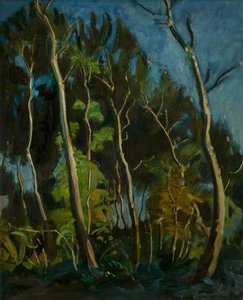
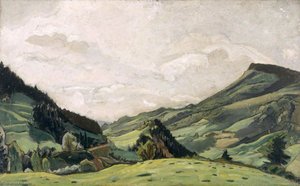
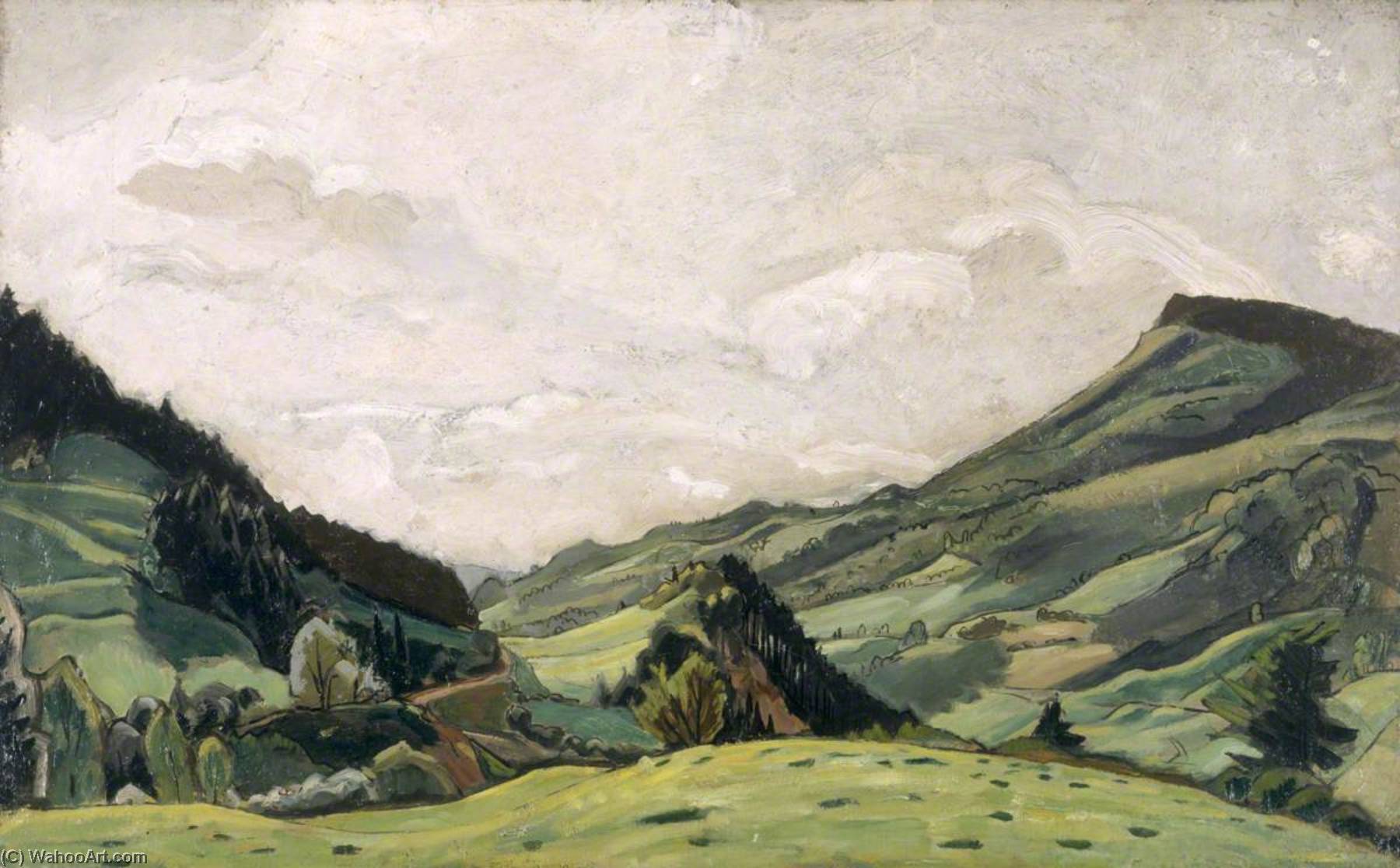
Landscape in the Auvergne
 1930
1930 51.0 x 81.0 cm
 Read More
Giclée / Art Print
Museum-quality giclée or canvas print with fast production and flexible finish options. ( Buy Hand Made Painting Buy Image)




































Pick from our preset sizes that match the artwork's original proportions.

You may enter your own dimensions to fit a specific frame or space. If your selected size does not match the original image's proportions, we will either crop the artwork or extend the image with a mirrored or solid-fill edge. A digital mockup will be sent for your approval before production begins.
Please note that the on-screen preview does not reflect the actual cropping or extension. Only the mockup will accurately show the final composition.
While custom sizes are available, we recommend selecting a dimension from the predefined list to preserve the original proportions.
Worldwide Delivery () in 2 weeks instead of standard 4/5 weeks. (26 August)

Free Worldwide Express Shipping

High-Quality Linen Canvas

Full Shipping Insurance

Customs Tax Refund Guarantee

True Color Matching Guarantee

60-Day Return Policy (Defects Only)

100% Money-Back Guarantee

Bulk Discount Offer
 Glass option is only available in size under 110 CM

Landscape in the Auvergne
Giclée / Art Print
Reproduction Size
-


Total Price
$ 63
Related Artworks









Artist Biography
The Alchemist of Color and Light
Maurice Marinot stands as a singular, luminous figure in the tapestry of early 20th-century art—a creator who possessed the rare ability to bridge the visceral intensity of Fauvist painting with the delicate, transformative magic of glassmaking. Born on March 20, 1882, in the historic French city of Troyes, Marinot’s journey was never one of easy academic triumph, but rather a profound pursuit of an independent aesthetic vision. Though his early years were marked by academic struggles and a rejection from the rigid standards of the École des Beaux-Arts under Fernand Cormon, these very setbacks forged a rebellious spirit. Returning to Troyes, he abandoned the constraints of formal training to embrace a path where color could breathe without the suffocating weight of tradition.
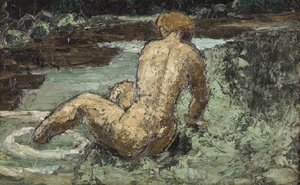
His emergence into the art world was defined by the fervent energy of Les Fauves. Influenced by the radical palettes of Henri Matisse and André Derain, Marinot’s early canvases became battlegrounds of emotion, where deep reds, electric blues, and sun-drenched yellows were applied with a disregard for naturalistic accuracy. In works such as “The Bather,” completed in 1930, one can witness the essence of this movement; the subject is not merely a figure in a landscape, but a vessel for light and warmth, captured through a stylized, emotive lens that prioritizes the artist's internal feeling over mere observation.
A Revolution in Glass
While his paintings captured the soul of Fauvism, it was Marinot’s encounter with glass that would redefine his legacy and secure his place as a master of medium. In 1911, a visit to a glass shop owned by the Viard brothers in Bar-sur-Seine ignited a new passion. He became captivated by the elemental dance between fire, heat, and light. Initially, he worked by designing exquisite bowls and vases upon which he applied vibrant enamels, but his curiosity soon drove him toward the furnace itself. Learning to blow glass, Marinot transitioned from a painter of surfaces to an architect of depth.
By 1923, he had moved beyond simple enameling to explore much more complex and perilous techniques. He began experimenting with bubbles, metal leaf, and colored glass, creating pieces that seemed to trap light within their very structure. His process was famously arduous and fraught with danger; a single masterpiece could take an entire year to complete as he sought to meet his own exacting standards of perfection. This period marked a shift in his artistic identity, where the boundaries between fine art and decorative craft dissolved into a singular, cohesive expression of form and color.
Legacy and the Fragility of Art
The historical significance of Maurice Marinot lies in his ability to innovate across disparate disciplines, bringing the expressive freedom of modern painting to the ancient art of glasswork. He did not merely decorate glass; he breathed life into it, treating each vessel as a sculptural canvas. However, his life and work were also marked by profound loss. The 1944 Allied bombing of Troyes dealt a devastating blow to his legacy, striking his studio directly and destroying over 2,500 paintings and thousands of drawings.
Despite the physical destruction of much of his oeuvre, Marinot’s influence remains indelible. His ability to harmonize the "hot and cold" of artistic expression—the heat of the furnace and the cool precision of design—continues to inspire collectors and historians alike. He remains a testament to the idea that true innovation often arises from the courage to step away from established institutions and find beauty in the most elemental of forces: light, fire, and color.
maurice marinot
1882 - 1960
Quick Facts
- Artistic Movement Or Style: Les Fauves; Glass Art
- Artists Or Movements Influenced By This Artist: ['Glass Art']
- Artists Who Influenced This Artist: ['Fernand Cormon']
- Date Of Birth: 1882
- Date Of Death: 1960
- Full Name: Maurice Marinot
- Nationality: French
- Notable Artworks:
- The Bather
- Jar
- Place Of Birth: Troyes, France