 Preview
 Send
Send Share
Share
 Details

 Download
 Similars
 X-Ray
X-Ray Diaporama
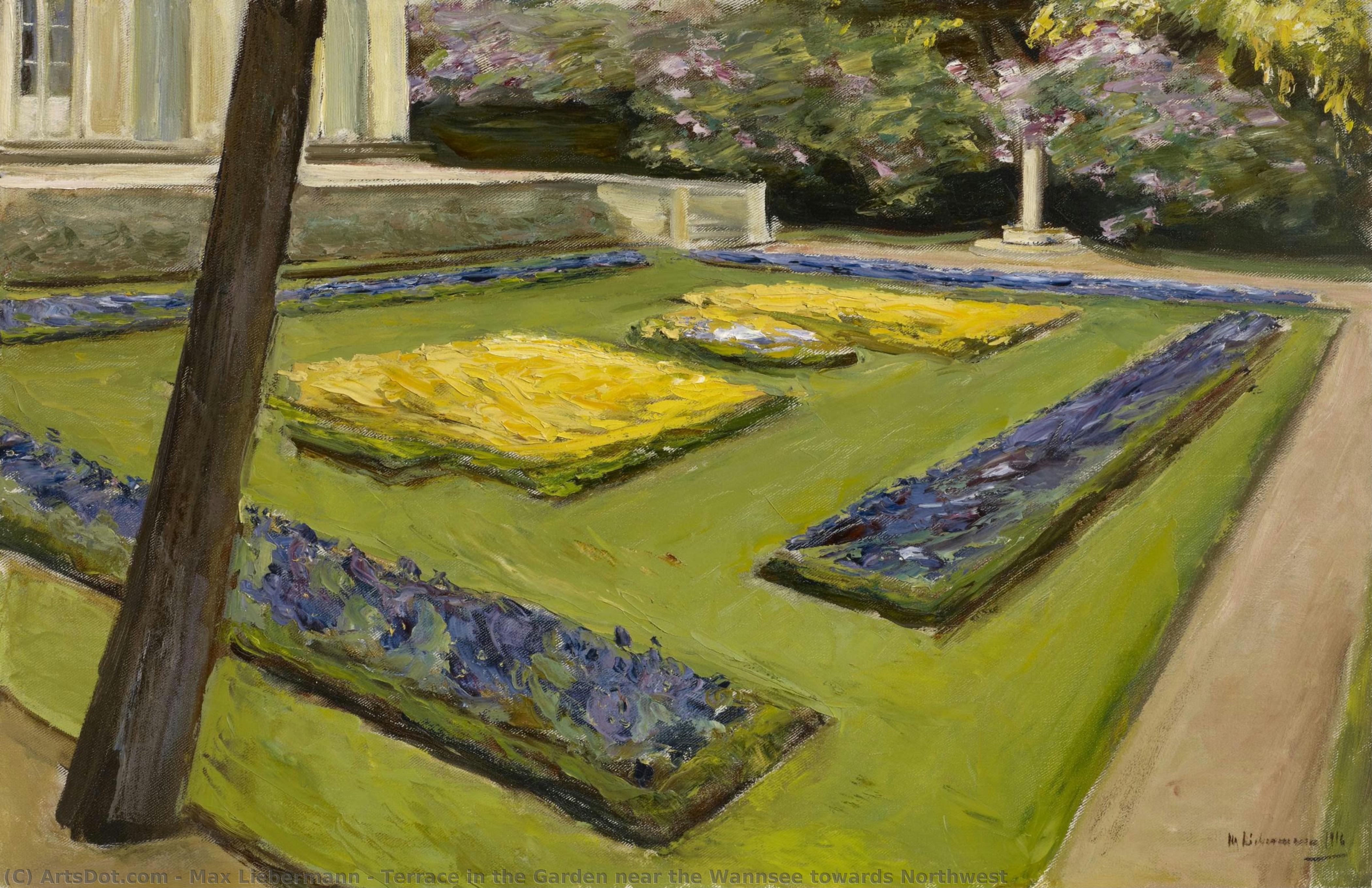
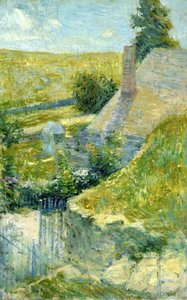
Terrace in the Garden near the Wannsee towards Northwest
 Oil On Canvas
- WallArt
- Impressionism
 1916
1916- Modern
 89.0 x 58.0 cm
 Read More
Hand Made Oil Reproduction
Hand-painted oil on canvas in your size and frame, made to order by our artists. ( Buy Print Buy Image)




P118B $10

P118H $10

P118W $10

P438Z $10

P508JH $12

P508YH $12

P805H $10

P805Z $10

P919BZ $10

P919G $10

P919XJ $10

P959ZH $10

P968JZ $12

W106C $8

W218G $10

W218JH $8

W218Y $10

W307PJ $10

W316G $10

W316PJ $8

W316Y $10

W398PJ $8

W4111J $10

W500HY $15

W500JH $15

W692G $12

W849H $8

W940BG $15

W953PJ $8




Pick from our preset sizes that match the artwork's original proportions.

You may enter your own dimensions to fit a specific frame or space. If your selected size does not match the original image's proportions, we will either crop the artwork or extend the painting with additional hand-painted elements. A digital mockup will be sent for your approval before production begins.
Please note that the on-screen preview does not reflect the actual cropping or extension. Only the mockup will accurately show the final composition.
While custom sizes are available, we recommend selecting a dimension from the predefined list to preserve the original proportions.
After order, ArtsDot.com team will email client for instructions and provide a mockup preview
Worldwide Delivery () in 3/4 weeks instead of standard 5 weeks. (16 August). No compromise on quality.

Free Worldwide Express Shipping

High-Quality Linen Canvas

Full Shipping Insurance

Customs Tax Refund Guarantee

True Color Matching Guarantee

60-Day Return Policy (Defects Only)

100% Money-Back Guarantee

Bulk Discount Offer
 Glass option is only available in size under 110 CM

Terrace in the Garden near the Wannsee towards Northwest
Reproduction Medium
Reproduction Size
-


Total Price
$ 263
Artwork Description
A Symphony of Light and Order: Discovering Liebermann’s Garden
In the quietude of a Prussian afternoon, Max Liebermann captures a moment of profound serenity in his 1916 masterpiece, Terrace in the Garden near the Wannsee towards Northwest. This exquisite oil painting invites the viewer into a meticulously curated world where nature and human design exist in perfect, rhythmic harmony. As one gazes upon the geometric precision of the flowerbeds, there is an immediate sense of entering a sanctuary of cultivated beauty. The composition utilizes a subtle, slightly skewed perspective that mimics the intimate feeling of a personal stroll through the garden, drawing the eye along winding pathways that lead toward a soft, luminous horizon. It is not merely a depiction of a landscape, but an invitation to experience the tranquil elegance of a bygone era.
The brilliance of this work lies in its masterful application of Impressionistic technique. Liebermann, a titan of German Impressionism, moves away from rigid realism to embrace the fleeting essence of light and atmosphere. Through the use of visible, energetic brushstrokes and a rich impasto texture, the artist breathes life into the foliage and earth. The color palette is a sophisticated dance of verdant greens and sun-drenched yellows, punctuated by delicate whispers of purple and regal gold. This layering of paint creates a tactile depth that makes the garden beds appear to rise from the canvas, offering a sensory experience that transcends the two-dimensional surface. For the discerning collector, this technique provides a dynamic visual interest that changes beautifully depending on the light within a room.
The Elegance of Prussian Impressionism
To understand this painting is to understand the soul of Max Liebermann himself. Born in Berlin and shaped by the artistic currents of Paris and the Netherlands, Liebermann brought a cosmopolitan sensitivity to the German landscape. In this particular work, we see the intersection of order and spontaneity. The strong horizontal lines of the pathways and the structured rectangles of the beds represent the human desire for symmetry and control, yet the soft, diffused light—suggesting an overcast morning or the gentle descent of dusk—softens these boundaries. There is a profound emotional resonance in this balance; it evokes a feeling of stability and peace, making it an ideal centerpiece for spaces designed for reflection and repose.
For interior designers and art enthusiasts alike, Terrace in the Garden near the Wannsee offers unparalleled versatility. Its organic tones and structured composition allow it to anchor a room with a sense of historical weight and sophisticated grace. Whether placed in a sunlit morning room or a moody, library-style study, the painting acts as a window into a serene, idealized world. Owning a high-quality reproduction of this work means bringing more than just decor into a home; it means hosting a permanent dialogue with light, history, and the enduring beauty of the natural world.
Related Artworks
Artist Biography
A Life Immersed in Light: The World of Max Liebermann
Born into a prosperous Jewish family in 1847 Berlin, Max Liebermann’s path to becoming one of Germany's foremost Impressionist painters wasn’t preordained. Initially steered towards the respectable professions of law and philosophy at the University of Berlin, his true calling resonated far more powerfully from the canvas than the courtroom. This early period of intellectual exploration, however, undoubtedly shaped his observant eye and thoughtful approach to depicting the world around him. It was a deliberate shift – studies in Weimar, Paris, and the Netherlands – that truly ignited his artistic passion, exposing him to diverse styles and laying the foundation for a career defined by capturing fleeting moments with an exquisite sensitivity to light and color. He wasn’t merely painting what he saw; he was translating the very essence of experience onto the canvas. Liebermann's early works often depicted scenes of everyday life, particularly those of the working class, rendered with a naturalism that challenged the prevailing romanticized aesthetic of the time. These paintings weren’t intended as social commentary, but rather as honest portrayals of human existence, imbued with dignity and respect.Embracing Impressionism in a German Context
Liebermann's artistic development was profoundly influenced by his exposure to French Realism and, crucially, the burgeoning Impressionist movement. The spirit of Édouard Manet – his boldness, his rejection of academic convention, his focus on contemporary life – resonated deeply with Liebermann. However, he didn’t simply replicate what he saw in Paris; instead, he adapted these principles to a German sensibility, creating an Impressionism uniquely his own. His palette became brighter, his brushstrokes looser and more spontaneous, and his subjects shifted towards scenes of bourgeois leisure and the tranquil beauty of his garden near Lake Wannsee. This garden, in particular, became a recurring motif throughout his career, offering a sanctuary from the rapidly changing world outside and providing endless inspiration for his explorations of light and atmosphere. He wasn’t just painting flowers and foliage; he was capturing the very feeling of summer, the warmth of the sun, the gentle breeze rustling through the leaves. Beyond landscapes, Liebermann established himself as a highly sought-after portraitist, completing over 200 commissioned works, including iconic depictions of figures like Albert Einstein and Paul von Hindenburg. These portraits weren’t merely likenesses; they were insightful studies of character, revealing the inner lives of his subjects through subtle gestures and expressions.A Champion of Artistic Freedom
Liebermann wasn't content to simply paint; he actively championed artistic innovation and independence. Recognizing the stifling constraints imposed by the traditional art establishment, he became a driving force behind the Berlin Secession in 1898, leading this avant-garde group for over a decade. The Secession challenged conventional norms, providing a platform for artists working outside the confines of academic tradition. This commitment to artistic freedom extended beyond his own work; Liebermann believed passionately that artists should be free to explore their vision without interference from political or ideological pressures. His election to the Prussian Academy of Arts in 1909 and subsequent presidency in 1920 were testaments to his growing influence within the German art world, but these positions also brought him face-to-face with the rising tide of anti-Semitism and nationalism that would ultimately threaten his life’s work.Shadows of a Changing World: Legacy and Resilience
The rise of Nazism cast a dark shadow over Liebermann's later years. His principled stance against discrimination led to his resignation from the Prussian Academy in 1933, a courageous act that signaled his refusal to compromise his values. Despite facing increasing persecution, he continued to paint, finding solace and purpose in his art. He passed away in Berlin in 1935, leaving behind a rich legacy of paintings, prints, and a profound commitment to artistic freedom. His wife, Martha, tragically took her own life in 1943 to avoid deportation, a heartbreaking testament to the horrors of the Holocaust. For years after the war, Liebermann’s work was somewhat overlooked, but in recent decades there has been a renewed appreciation for his contributions to German Impressionism and modern art history. Today, he is remembered not only as a brilliant painter but also as a courageous advocate for artistic expression and a symbol of resistance against tyranny. His paintings continue to captivate viewers with their luminous beauty, insightful observations, and enduring humanity.Key Achievements & Lasting Influence
- "The Twelve-Year-Old Jesus in the Temple": This early work sparked considerable debate due to its unconventional depiction of a Semitic-looking Jesus, challenging traditional religious iconography.
- Leadership of the Berlin Secession: His pivotal role in leading this avant-garde movement challenged artistic norms and paved the way for modern art in Germany.
- Presidency of the Prussian Academy of Arts: A significant recognition of his artistic merit, though ultimately compromised by the rise of Nazism.
- Masterful Portraiture: His ability to capture the essence of his subjects in over 200 commissioned portraits cemented his reputation as a leading portrait painter.
- Influence on German Impressionism: Liebermann successfully translated the principles of Impressionism into a uniquely German context, inspiring generations of artists.
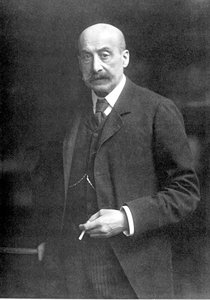
Max Liebermann
1847 - 1935 , Germany
Quick Facts
- Artistic Movement Or Style: Impressionism
- Artists Or Movements Influenced By This Artist: ['German Impressionism']
- Artists Who Influenced This Artist: ['Édouard Manet']
- Date Of Birth: July 20, 1847
- Date Of Death: February 8, 1935
- Full Name: Max Liebermann
- Nationality: German
- Notable Artworks:
- The 12-Year-Old Jesus...
- Dutch Farmhouse with Woman
- Portrait of Dr. Max Linde
- Place Of Birth: Berlin, Germany
Related Articles
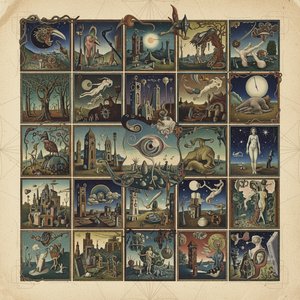
Max Ernst's Masterpieces: 25 Surreal Visions for Art Lovers & Home Decor
Journey into the surreal world of Max Ernst! Explore 25 iconic paintings, from Dada to abstract expressionism. Discover the stories behind his masterpieces & find museum-quality art reproductions for your home decor at ArtsDot.com.
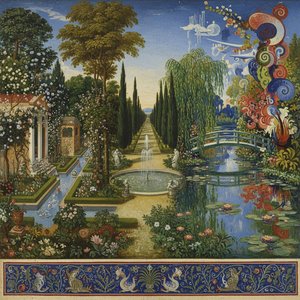
Cultivating Paradise: A Historical & Artistic Exploration of Gardens in Painting
Explore the rich history of gardens in painting! Discover masterpieces from Renaissance to Impressionism & beyond. Learn about symbolism, artists like Monet & Klimt, and find your perfect artwork at ArtsDot.
Impressionist Landscapes: 10 Masterpieces for Your Home | ArtsDot
Journey through 10 iconic Impressionist landscapes by Monet, Renoir & Degas. Explore the history, techniques & emotions behind these masterpieces. Find museum-quality reproductions for your home at ArtsDot.com – where art comes to life! Discover all masterpieces on ArtsDot.com

Beyond the Horizon: 10 Landscape Masterpieces for Your Home Decor
Journey through 10 breathtaking landscape paintings by Monet, Van Gogh & more! Explore iconic artworks, artistic techniques & find inspiration for your home decor. Museum-quality reproductions at ArtsDot.com. Discover all masterpieces on ArtsDot.com

Impressionistic Landscapes: 10 Masterpieces That Changed Art & Decor
Journey into the heart of Impressionism! Explore 10 masterpieces by Monet, Renoir & Degas that revolutionized landscape art. Discover their stories, techniques & find museum-quality reproductions to elevate your home decor on ArtsDot.com.