 Send
Send Share
Share
 Details

 Download
 Similars
 Diaporama
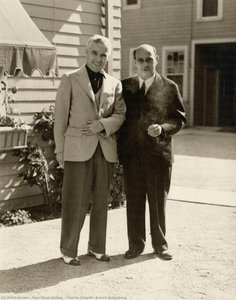
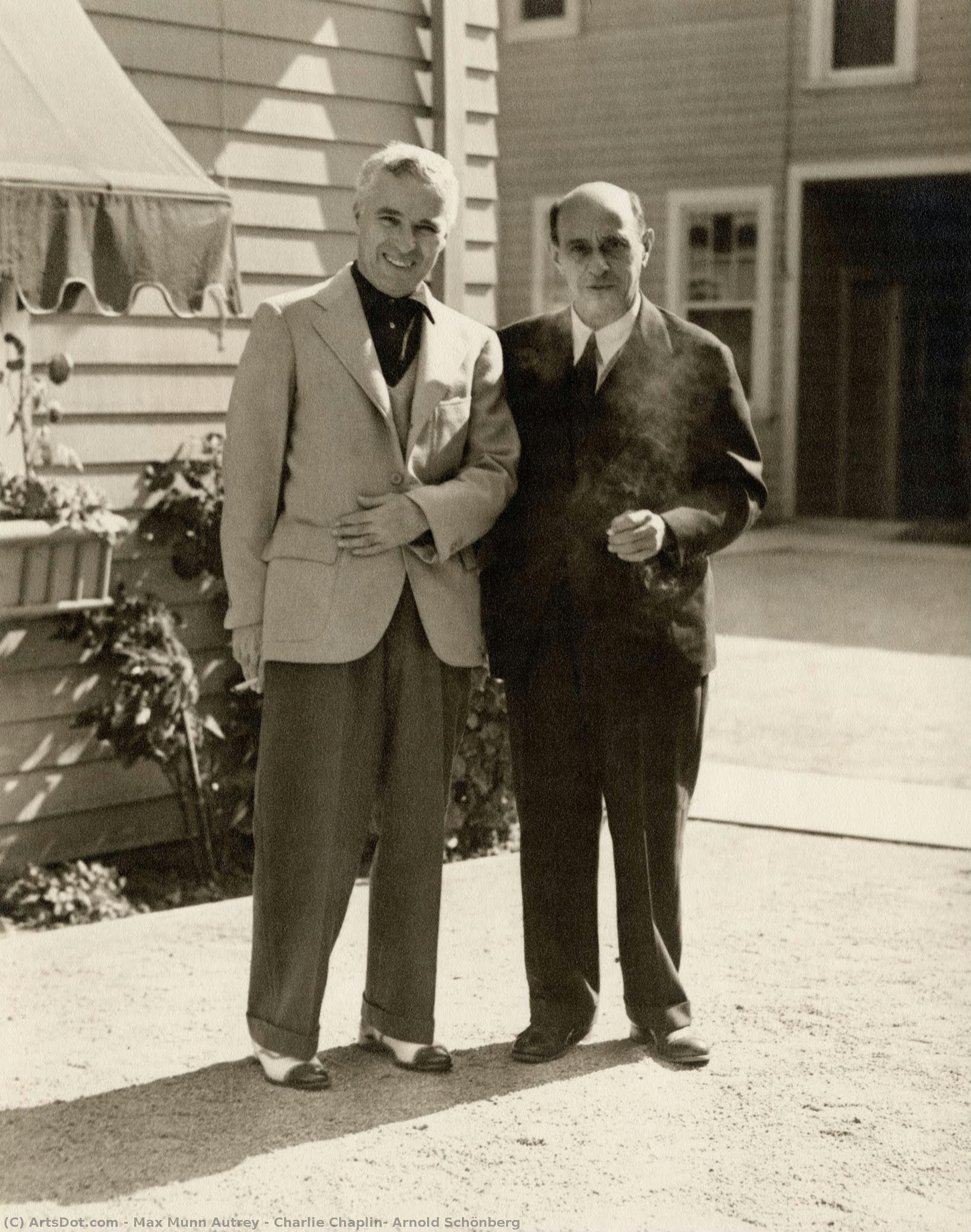
Charlie Chaplin, Arnold Schönberg


 Read More
Hand Made Oil Reproduction
Hand-painted oil on canvas in your size and frame, made to order by our artists. ( Buy Print Buy Image)




































Pick from our preset sizes that match the artwork's original proportions.

You may enter your own dimensions to fit a specific frame or space. If your selected size does not match the original image's proportions, we will either crop the artwork or extend the painting with additional hand-painted elements. A digital mockup will be sent for your approval before production begins.
Please note that the on-screen preview does not reflect the actual cropping or extension. Only the mockup will accurately show the final composition.
While custom sizes are available, we recommend selecting a dimension from the predefined list to preserve the original proportions.
After order, ArtsDot.com team will email client for instructions and provide a mockup preview
Worldwide Delivery () in 3/4 weeks instead of standard 5 weeks. (18 August). No compromise on quality.

Free Worldwide Express Shipping

High-Quality Linen Canvas

Full Shipping Insurance

Customs Tax Refund Guarantee

True Color Matching Guarantee

60-Day Return Policy (Defects Only)

100% Money-Back Guarantee

Bulk Discount Offer
 Glass option is only available in size under 110 CM

Charlie Chaplin, Arnold Schönberg
Reproduction Medium
Reproduction Size
-


Total Price
$ 263
Artwork Description
A Cinematic Encounter: When Silent Comedy Met Modernist Rigor
In the captured stillness of 1935, a profound intersection of cultural titans occurs within a single frame. This evocative black and white photograph by Max Munn Autrey presents more than just a casual meeting; it documents a collision between two vastly different worlds: the whimsical, accessible genius of Charlie Chaplin and the austere, intellectual intensity of the composer Arnold Schönberg. As they stand together on a sun-dappified sidewalk, framed by the domestic charm of potted plants and a quiet porch, the image vibrates with an unspoken tension. It is a moment frozen in time where the "casual urbanity" of Hollywood’s greatest clown meets the "intellectual rigor" of the man who revolutionized musical atonality.
The composition, characteristic of Autrey’s mastery as a Hollywood still photographer, utilizes the natural elements of the setting to ground these larger-than-life figures in a relatable, human reality. The presence of the plants and the bench suggests a momentary pause in their respective journeys—a brief respite from the pressures of cinematic production and musical revolution. For the viewer, there is a captivating sense of voyeurism, as if we have stumbled upon a private conversation between two architects of the twentieth century, each redefining the boundaries of their respective art forms.
The Art of the Still: Technique and Atmosphere
Max Munn Autrey, a protégé of the legendary Albert Witzel, brings a sophisticated eye for light and shadow to this piece. The monochrome palette does not merely strip away color; it distills the essence of the encounter. The interplay of light on the subjects' clothing—the sharp lines of a suit contrasted with the softer textures of a casual pose—creates a depth that draws the eye toward the subtle facial expressions of the men. One can almost sense the smoke from the cigarette drifting through the air, adding a layer of atmospheric grit and period authenticity to the scene.
The technique employed here is emblematic of the golden age of photography, where the ability to capture character through lighting was paramount. Autrey’s skill lies in his ability to balance the monumental status of his subjects with the mundane details of their environment. This creates a sense of "monumental intimacy," making the photograph an ideal centerpiece for collectors who appreciate historical depth and the nuanced beauty of early twentieth-century realism. The image serves as a window into a lost era, offering a tactile connection to the legends who shaped our modern aesthetic sensibilities.
A Timeless Legacy for the Discerning Collector
For interior designers and art enthusiasts, this photograph offers a sophisticated narrative element that transcends simple decoration. It is a piece of history that invites conversation, acting as a bridge between the worlds of film, music, and photography. The stark, elegant contrast of the black and white medium allows it to integrate seamlessly into diverse decor styles, from the minimalist modern gallery look to the rich, textured warmth of a classic study or library.
Owning a high-quality reproduction of this work is an opportunity to possess a fragment of cultural metamorphosis. It is not merely a portrait of two men; it is a symbol of the unexpected ways in which greatness recognizes greatness, even when expressed through entirely different languages. Whether placed in a professional creative space or a private residence, this image provides a constant source of intellectual and aesthetic inspiration, reminding us of the profound beauty found in the meeting of disparate minds.
Related Artworks
Artist Biography
The Lens of a Golden Age: The Life and Legacy of Max Munn Autrey
In the flickering shadows of early Hollywood, where the magic of silent cinema was first being woven into the fabric of global culture, there existed a master of the still image capable of capturing the very soul of the silver screen. Max Munn Autrey, born in Dallas, Texas, on May 23, 1891, emerged not merely as a witness to the birth of motion pictures, but as a vital architect of their visual identity. His journey began far from the bright lights of Los Angeles, yet his destiny was inextricably linked to the burgeoning industry that would redefine modern storytelling. Through his lens, the ephemeral moments of performance were frozen into permanent icons, creating a bridge between the fleeting movement of film and the enduring power of portraiture.
Autrey’s artistic foundation was laid under the tutelage of Albert Witzel, a titan of commercial photography in early twentieth-century Los Angeles. This apprenticeship provided more than just technical instruction; it offered an intimate introduction to the art of composition and the subtle manipulation of light that defines high-end portraiture. As a protégé of such a prominent figure, Autrey inherited a sophisticated understanding of how to frame a subject to evoke emotion and prestige. By the 1920s, this training culminated in the establishment of his own studio in Hollywood, a space where the boundaries between commercial photography and cinematic artistry began to blur, allowing him to carve out a unique niche as one of the era's most sought-after cameramen.
Capturing the Cinematic Spirit
The true brilliance of Autrey’s work lies in his seamless integration into the production of some of the most significant films in cinematic history. He possessed a rare ability to translate the kinetic energy of a moving scene into a single, breathtaking still frame. His portfolio serves as a visual chronicle of the silent and early sound eras, featuring collaborations that are now considered cornerstones of film history. To look through Autrey's archives is to revisit the profound humanism of Charlie Chaplin in masterpieces such as Modern Times (1936), or the hauntingly beautiful atmosphere of Sunrise: A Song of Two Humans (1927). His work on films like Hell’s Four Hundred (1926) and 7th Heaven (1927) demonstrates a versatile mastery over different genres, from high drama to social commentary.
His technical contributions extended beyond mere documentation; Autrey was a pioneer in the development of cinematography-related still photography. He understood that a film still was not just a promotional tool, but an extension of the film's narrative arc. By capturing the precise lighting, the subtle micro-expressions of actors, and the atmospheric depth of the sets, he helped build the mythos of Hollywood stardom. His ability to adapt to the evolving technology of the 1920s and 30s ensured that his work remained at the cutting edge of a rapidly changing medium, making him an essential figure in the transition from silent shadows to the vibrant era of sound.
A Lasting Impression on Visual History
Though the passage of time has moved far beyond the era of celluloid and silver nitrate, the historical significance of Max Munn Autrey remains undiminished. His work survives as a vital primary source for historians and enthusiasts alike, offering a window into the aesthetic values and cultural zeitgeist of early Hollywood. The preservation of his photographic legacy in prestigious institutions such as the Los Angeles County Museum of Art and the J. Paul Getty Museum ensures that his contributions to the visual language of the twentieth century are never forgotten.
Autrey’s life, which concluded on August 5, 1971, in Los Angeles, stands as a testament to the power of the observant eye. He did not merely photograph movies; he captured the essence of an era. His legacy is found in:
- The preservation of cinematic history: Providing the visual evidence required to study the evolution of film acting and production design.
- Technical innovation: Bridging the gap between traditional studio portraiture and the specialized needs of motion picture promotion.
- Cultural iconography: Creating the enduring images of legends like Charlie Chaplin that continue to resonate in the collective human memory.
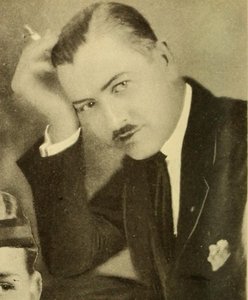
Max Munn Autrey
1891 - 1971 , United States of America
Quick Facts
- Artistic Movement Or Style: Pictorialism
- Artists Or Movements Influenced By This Artist: ['Charlie Chaplin']
- Artists Who Influenced This Artist: ['Albert Witzel']
- Date Of Birth: May 23, 1891
- Date Of Death: August 5, 1971
- Full Name: Max Munn Autrey
- Nationality: American
- Notable Artworks:
- Modern Times
- Sunrise: A Song of Two Humans
- Place Of Birth: Dallas, United States
Related Articles

White on Canvas: 10 Masterpieces & Timeless Elegance for Your Home Decor
Explore 10 iconic white paintings by Monet, Whistler & Rothko! Discover the stories behind these serene masterpieces and their impact on art history. Find museum-quality reproductions for your home decor at .

Dark Masterpieces: 10 Iconic Paintings Dominated by Black Tones |
Explore 10 iconic paintings dominated by black tones, from Rembrandt’s chiaroscuro to Goya's dark expressions. Discover the stories behind these masterpieces & find museum-quality art reproductions for your home at .

Monochrome Visions: Exploring the Aesthetic & Historical Significance of Black & White Photography
Explore the rich history & artistic power of black and white photography. From early techniques to iconic masters like Ansel Adams, discover why monochrome continues to captivate art lovers today. Expert insights for collectors.
Mars Black Masterpieces: 10 Iconic Paintings & Timeless Art Decor Ideas
Delve into the power of 'Mars Black' with 10 iconic paintings by masters like Rembrandt & Caravaggio. Explore dramatic chiaroscuro, gothic art, and timeless beauty. Find museum-quality reproductions & elevate your home decor on .

The Subtleties of White: Exploring Absence, Light & Symbolism in Art History
Explore the profound symbolism & history of white in art! From ancient purity to modern abstraction, discover how artists have used absence & light. Expert insights from ArtsDot.