

 Preview
 Send
Send Share
Share
 Details

 Download
 Similars
 X-Ray
X-Ray Diaporama
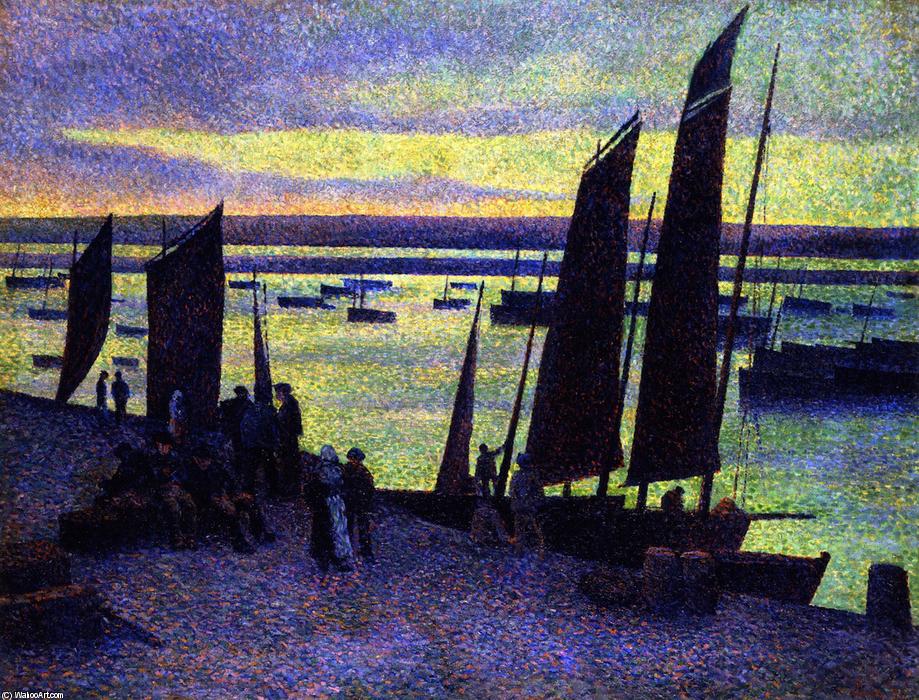
Quay at Camaret, Finistère


 Read More
Purchase a high-resolution, enhanced digital image, far superior to the online preview.
Each file is meticulously prepared by our in-house specialists using advanced tools and expert manual retouching. We ensure every image has exceptional clarity, precise color accuracy, and fine detail.
The final file is delivered via email within 72 hours, optimized for immediate use in professional, editorial, and print environments. This is the same quality trusted by top-tier design studios, publishers, and galleries.
Digital Image
Download a high-resolution file for personal display, printing, and creative projects. ( Buy Print Buy Hand Made Painting)
Included in Every Digital Image Order
Expert Digital Delivery, Guaranteed
When you choose ArtsDot.com, you're not just getting an image - you're receiving a professionally enhanced digital artwork, crafted with precision and backed by a satisfaction guarantee. Here's everything that comes with your order, automatically:

Fast Email Delivery
Your high-resolution digital image file will be emailed to you within 72 hours of ordering - ready for immediate use.

AI-Enhanced Digital File
Your artwork is professionally optimized using advanced AI tools and manual editing, ensuring maximum detail, clarity, and color accuracy.

Free Lifetime Re-Delivery
Accidentally deleted or lost your file? No worries - we'll resend it to you anytime, free of charge.

No Import Fees - Ever
Enjoy your artwork instantly with zero customs, duties, or delivery fees - digital downloads are always tax-free.

Color Accuracy Guarantee
We ensure your digital image reflects the original colors as closely as possible using professional tools and color management.

60-Day Satisfaction Guarantee
If you're not satisfied with your digital image, we'll revise it or refund 100% within 60 days - no questions asked.

100% Money-Back Guarantee
Not satisfied? Get a full refund within 60 days of receiving your digital file - no questions asked.

Bulk Order Discounts
Buy 3 images, save 10% - Buy 5, save 15% - Buy 10+, save 20%. Great for creative projects, galleries, and agencies.
Collectible Description
Quay at Camaret, Finistère: A Dance of Light and Breton Soul
Maximilien Luce’s “Quay at Camaret, Finistère” isn't merely a depiction of a harbor scene; it’s an immersion into the very essence of Brittany. Painted in 1894, this vibrant canvas captures a fleeting moment on the rugged coastline of the Finistère region – a place steeped in myth, tradition, and a profound connection to the sea. Luce, a key figure within the Neo-Impressionist movement, masterfully employed his signature Pointillism technique, transforming a simple harbor view into an explosion of color and light that seems to shimmer with life.
The scene unfolds before us: a bustling quay teeming with sailboats of varying sizes, each reflecting the play of sunlight on the water. Fishermen mend their nets, children chase pigeons along the stone walls, and figures gather around boats, creating a dynamic tableau of everyday activity. Luce’s genius lies not just in his meticulous observation but in his ability to translate that observation into an intensely emotional experience. The painting isn't static; it feels alive with movement, as if you could almost hear the cries of the gulls and the murmur of conversation.
The Language of Pointillism: Luce’s Revolutionary Technique
Luce’s masterful use of Pointillism is central to the painting's allure. Rather than blending colors directly, he meticulously applied tiny dots of pure color – predominantly blues, greens, yellows, and ochres – to create an overall impression of tone and hue. This technique, championed by artists like Seurat and Signac, allowed Luce to capture the fleeting effects of light with remarkable precision. The individual dots, when viewed from a distance, coalesce into a luminous surface, mimicking the way our eyes perceive color in nature. It’s a remarkably sophisticated approach that demands close attention, rewarding the viewer with an astonishing depth and vibrancy.
Notice how Luce uses contrasting colors to define shapes – the deep blues of the water against the warm yellows of the boats, the muted greens of the harbor walls against the bright whites of the sails. This careful orchestration of color creates a sense of visual harmony while simultaneously conveying the energy and dynamism of the scene. The technique isn’t simply about replicating what he saw; it's about capturing *how* he saw it – with an acute awareness of light, color, and their interplay.
A Breton Tapestry: History and Symbolism
The setting itself—Camaret-sur-Fin is a small fishing port on the tip of Brittany—holds deep historical significance. Brittany, with its ancient Celtic roots, has long been associated with maritime traditions, seafaring legends, and a strong connection to nature. The rugged coastline, the unpredictable weather, and the vital role of the sea in the region’s economy have shaped the culture and identity of the Breton people for centuries. Luce's painting is therefore not just a depiction of a place; it’s a celebration of this rich heritage.
The boats themselves are symbolic of livelihood and connection to the sea, while the figures engaged in various activities represent the daily rhythms of life in a coastal community. The light, so crucial to Luce's technique, can be interpreted as a symbol of hope, vitality, and the enduring spirit of the Breton people. It’s a scene that resonates with a timeless quality, evoking a sense of nostalgia for a simpler way of life.
Bringing “Quay at Camaret, Finistère” to Your Space
Reproductions of Luce's "Quay at Camaret, Finistère" offer a remarkable opportunity to bring this captivating artwork into your home or office. Hand-painted reproductions meticulously recreate the artist’s vibrant palette and intricate Pointillism technique, capturing the essence of the original painting with stunning accuracy. Whether you are an art enthusiast, a collector seeking a unique addition to your collection, or simply someone who appreciates beautiful design, this reproduction is sure to be a conversation starter.
Consider how the painting’s luminous colors and dynamic composition will complement your existing décor. The vibrant hues of the harbor scene can inject energy into a room, while the sense of movement and activity will create a lively atmosphere.
- Size Options: Available in a range of sizes to suit any space.
- High-Quality Materials: Printed on archival canvas with vibrant, fade-resistant pigments.
- Hand-Painted Detail: Each reproduction is meticulously hand-painted by skilled artists, ensuring the highest level of quality and authenticity.
Explore our collection today and discover a piece of Breton artistry that will enrich your life for years to come.
Related Artworks
Artist Biography
A Parisian Soul: The Life and Art of Maximilien Luce
Maximilien Luce, born in Paris in 1858, was a painter deeply entwined with the social and artistic currents of his time. His early life, spent amidst the working-class neighborhoods of Montparnasse, instilled within him a sensitivity to the realities of urban existence—a theme that would resonate throughout his prolific career. Initially apprenticed to a wood engraver in 1872, Luce honed a meticulous attention to detail and an appreciation for line and form, skills that would later inform his explorations with color and light. This foundational training wasn’t merely technical; it connected him to a tradition of graphic arts deeply engaged with social commentary, setting the stage for his own politically charged artistic journey. He continued his education through evening classes, absorbing the principles of drawing and laying the groundwork for his eventual transition into painting. The Paris Commune of 1871, witnessed during his youth, left an indelible mark on Luce’s consciousness, fostering a lifelong commitment to anarchist ideals and social justice—beliefs that would consistently manifest in his artistic choices.From Impressionism to Neo-Impressionism and Beyond
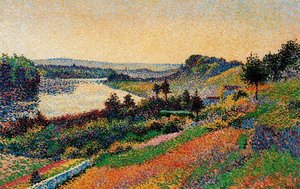
Luce's artistic evolution was characterized by a restless experimentation and a willingness to embrace new approaches. He began as an Impressionist, captivated by the fleeting effects of light and atmosphere, but soon gravitated towards the more scientific rigor of Neo-Impressionism. The influence of Georges Seurat and Paul Signac proved pivotal; he adopted their pointillist technique—the meticulous application of tiny dots of pure color—in works like *On the Bank of the Seine at Poissy* (1895). This period saw him meticulously dissecting light and color, striving to achieve a harmonious visual experience through optical mixing. However, Luce wasn’t simply a follower; he infused Neo-Impressionism with his own distinct sensibility, often focusing on scenes of industrial labor and urban life—subjects rarely explored by his contemporaries. He didn't shy away from depicting the gritty realities of modern existence, contrasting sharply with the more idyllic landscapes favored by some of his peers. Later in his career, he moved away from strict pointillism, embracing a freer, more expressive style that retained the vibrancy of color but allowed for greater emotional intensity. This constant evolution demonstrates Luce’s commitment to artistic exploration and his refusal to be confined by any single aesthetic dogma.A Witness to Modernity: Themes and Techniques
Luce's oeuvre is a compelling chronicle of late 19th and early 20th-century France. He was fascinated by the transformative power of industrialization, depicting factories, construction sites, and bustling cityscapes with an unflinching eye. His paintings aren’t merely representations of these scenes; they are imbued with a sense of dynamism and energy, capturing the rhythm of modern life. The Seine River, winding its way through Paris and its surrounding countryside, became a recurring motif in his work—a symbol of both natural beauty and human activity. He masterfully captured the interplay of light on water, using pointillist techniques to create shimmering surfaces and atmospheric effects. Beyond landscapes and urban scenes, Luce also explored social themes, often depicting workers and laborers with dignity and respect. His commitment to anarchist principles is evident in his sympathetic portrayal of those marginalized by society. *Landscape at Marchiennes* (1896), for example, offers a powerful depiction of the industrial landscape of northern France, highlighting both its beauty and its harsh realities. He was also known for his depictions of Parisian life, including scenes of cafes, circuses, and public gatherings.Legacy and Recognition
Maximilien Luce’s contributions to the art world extend beyond his individual paintings. As a dedicated member of the Société des Artistes Indépendants—serving as vice president in 1909 and president in 1935—he championed artistic freedom and provided a platform for emerging artists. His commitment to progressive ideals made him a respected figure within the avant-garde community. Though he experienced periods of relative obscurity, his work has been increasingly recognized in recent decades for its unique blend of aesthetic innovation and social consciousness. Today, Luce’s paintings are held in prestigious museum collections worldwide, including the Musée d'Orsay in Paris, serving as testaments to his enduring artistic vision. His ability to capture the spirit of a rapidly changing era, combined with his technical mastery and unwavering commitment to his beliefs, solidifies his place as a significant figure in the history of modern art. He remains an artist whose work continues to resonate with contemporary audiences, offering insights into the complexities of modernity and the enduring power of artistic expression.Further Exploration
- Museum Collections: Explore Luce’s works at the Musée d'Orsay and other leading institutions.
- Online Resources: Discover more about his life and art through resources like Wikipedia and dedicated artist databases.
- Key Themes: Consider his recurring themes of industrialization, urban life, and social justice when viewing his paintings.
- Technical Innovation: Pay attention to his use of pointillism and his later experimentation with more expressive brushwork.
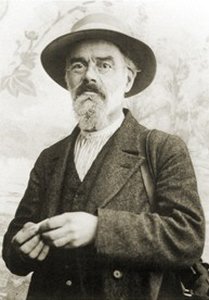
Maximilien Luce
1858 - 1941 , France
Quick Facts
- Artistic Movement Or Style: Neo-Impressionism, Pointillism
- Artists Who Influenced This Artist:
- Camille Pissarro
- Georges Seurat
- Paul Signac
- Date Of Birth: March 13, 1858
- Date Of Death: February 6, 1941
- Full Name: Maximilien Luce
- Nationality: French
- Notable Artworks:
- Seine at Poissy
- Tuileries in Paris
- Seine at Andelys
- Le Pont-Neuf, Paris
- Place Of Birth: Paris, France

