

 Preview
 Send
Send Share
Share
 Details

 Download
 Similars
 X-Ray
X-Ray Diaporama
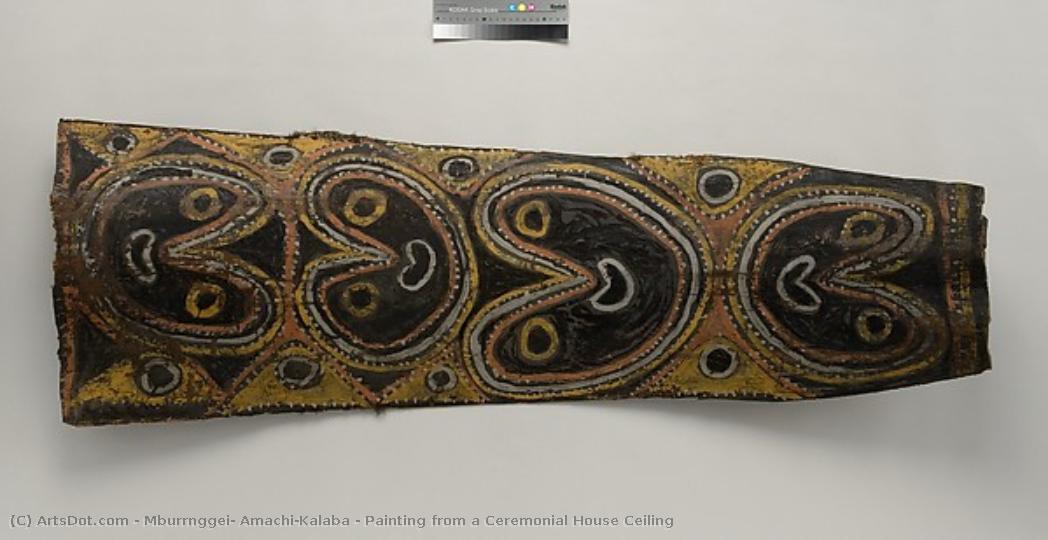
Painting from a Ceremonial House Ceiling
 1970
1970 135.0 x 45.0 cm
 Read More
Purchase a high-resolution, enhanced digital image, far superior to the online preview.
Each file is meticulously prepared by our in-house specialists using advanced tools and expert manual retouching. We ensure every image has exceptional clarity, precise color accuracy, and fine detail.
The final file is delivered via email within 72 hours, optimized for immediate use in professional, editorial, and print environments. This is the same quality trusted by top-tier design studios, publishers, and galleries.
Digital Image
Download a high-resolution file for personal display, printing, and creative projects. ( Buy Print Buy Hand Made Painting)
Included in Every Digital Image Order
Expert Digital Delivery, Guaranteed
When you choose ArtsDot.com, you're not just getting an image - you're receiving a professionally enhanced digital artwork, crafted with precision and backed by a satisfaction guarantee. Here's everything that comes with your order, automatically:

Fast Email Delivery
Your high-resolution digital image file will be emailed to you within 72 hours of ordering - ready for immediate use.

AI-Enhanced Digital File
Your artwork is professionally optimized using advanced AI tools and manual editing, ensuring maximum detail, clarity, and color accuracy.

Free Lifetime Re-Delivery
Accidentally deleted or lost your file? No worries - we'll resend it to you anytime, free of charge.

No Import Fees - Ever
Enjoy your artwork instantly with zero customs, duties, or delivery fees - digital downloads are always tax-free.

Color Accuracy Guarantee
We ensure your digital image reflects the original colors as closely as possible using professional tools and color management.

60-Day Satisfaction Guarantee
If you're not satisfied with your digital image, we'll revise it or refund 100% within 60 days - no questions asked.

100% Money-Back Guarantee
Not satisfied? Get a full refund within 60 days of receiving your digital file - no questions asked.

Bulk Order Discounts
Buy 3 images, save 10% - Buy 5, save 15% - Buy 10+, save 20%. Great for creative projects, galleries, and agencies.
Collectible Description
Related Artworks






Artist Biography
A Life Rooted in the Sepik River: The Art of Mburrnggei, Amachi-Kalaba
Born in 1973 in Mariweli Village, nestled within the Upper Sepik River region of Papua New Guinea, mburrnggei, amachi-kalaba emerged from a deeply ingrained artistic tradition. His upbringing wasn’t merely geographical; it was cultural—a submersion into the world of the Kwoma people and their profound connection to the natural environment. The Kwoma are renowned for their elaborate ceremonial houses, not as static structures but as living canvases reflecting clan history, spiritual beliefs, and a vibrant cosmology. From an early age, mburrnggei absorbed these visual narratives, learning from his father and other community elders the intricate techniques of transforming sago palm spathes into breathtaking works of art. This wasn’t simply skill acquisition; it was an initiation into a lineage of storytellers who used paint and form to maintain cultural continuity. The workshop environment in Mariwai Village proved pivotal, fostering collaboration and refinement of artistic expression within a collective framework.The Sago Palm as Canvas: Technique and Symbolism
Mburrnggei’s art is inextricably linked to the sago palm—a resource central to Kwoma life and, crucially, its artistic practice. The artist doesn't *find* his canvas; he cultivates it, carefully selecting and preparing the spathes (the leaf bases of the sago palm) through a meticulous curing process. These aren’t blank slates but organic forms that subtly influence the composition. He begins with a wash of black clay, creating a grounding darkness against which vibrant geometric designs emerge. The application isn't arbitrary; each color and pattern carries deep symbolic weight. Intricate clan symbols—representations of animals like fruit bats or celestial phenomena such as shooting stars—are not merely decorative elements but visual embodiments of ancestral stories and spiritual connections. These paintings aren’t intended for detached aesthetic contemplation; they are integral components of ceremonial life, adorning the ceilings of houses that serve as sacred spaces for initiation rites, gatherings, and communication with the spirit world. The process itself is a communal undertaking, often involving assistants who aid in infilling colors and refining details, reinforcing the art's role as a collective expression of Kwoma identity.Ceremonial Houses: Art as Architecture
The context of mburrnggei’s work—the ceremonial houses of the Washkuk Hills—is paramount to understanding its significance. Unlike many structures globally, these aren’t enclosed buildings but open-roofed spaces defined by steeply pitched roofs supported by massive posts and beams. This architectural openness reflects a connection between the earthly realm and the spiritual world. The ceilings become the focal point for artistic expression, transforming the house into a dynamic repository of Kwoma history and belief. Mburrnggei’s paintings aren't isolated artworks but components of a larger architectural narrative—visual chapters in an ongoing story told through form, color, and symbolism. Entry to these houses is traditionally restricted, emphasizing their sacred nature and the importance of preserving the knowledge encoded within their decorations. The act of painting itself becomes a ritualistic process, imbued with spiritual significance and contributing to the house’s power as a conduit between worlds.Recognition and Legacy: Bridging Cultures
While deeply rooted in Kwoma tradition, mburrnggei's art has garnered international recognition, bringing the visual language of Papua New Guinea to a wider audience. His work is featured in prestigious collections like that of The Metropolitan Museum of Art, where his “Painting from a Ceremonial House Ceiling” stands as a testament to the artistic sophistication and cultural richness of the Kwoma people. This exposure isn’t merely about aesthetic appreciation; it's about fostering cross-cultural understanding and recognizing the value of Indigenous knowledge systems. Mburrnggei’s art serves as a powerful reminder that artistic expression is not isolated from its social, spiritual, and historical context—it *is* an embodiment of those forces. His continued practice ensures the preservation of traditional techniques and symbolism, passing down this invaluable heritage to future generations.A Continuing Narrative
Mburrnggei, amachi-kalaba’s enduring legacy lies not only in his stunning paintings but also in his commitment to maintaining a vibrant artistic tradition within the Kwoma community. He represents a bridge between past and present—a custodian of ancestral knowledge who continues to innovate while honoring the cultural foundations that shaped him. His work is a testament to the power of art as a means of preserving identity, communicating spiritual beliefs, and fostering a deep connection to the natural world. The intricate geometric designs and clan symbols are not merely aesthetic choices but visual embodiments of a living cosmology—a narrative woven into the very fabric of Kwoma life. His paintings invite viewers to contemplate the profound relationship between art, architecture, spirituality, and cultural continuity, offering a glimpse into a world where artistic expression is inseparable from the rhythms of life itself.
mburrnggei, amachi-kalaba
1973 - , Papua New Guinea
Quick Facts
- Artistic Movement Or Style:
- Cubism
- Surrealism
- Neoclassicism
- Expressionism
- Artists Or Movements Influenced By This Artist:
- Modern art
- Contemporary art
- Artists Who Influenced This Artist:
- Cézanne
- El Greco
- African art
- Date Of Birth: 25 October 1881
- Date Of Death: 8 April 1973
- Full Name: Pablo Diego José Francisco de Paula Juan Nepomuceno María de los Remedios Cipriano de la Santísima Trinidad Ruiz y Picasso
- Nationality: Spanish
- Notable Artworks:
- Guernica
- Les Demoiselles d’Avignon
- The Weeping Woman
- Place Of Birth: Málaga, Spain

