 Preview
 Send
Send Share
Share
 Details

 Download
 Similars
 X-Ray
X-Ray Diaporama
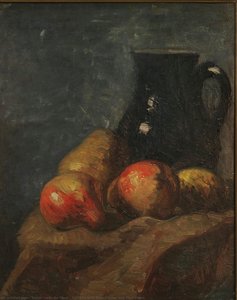
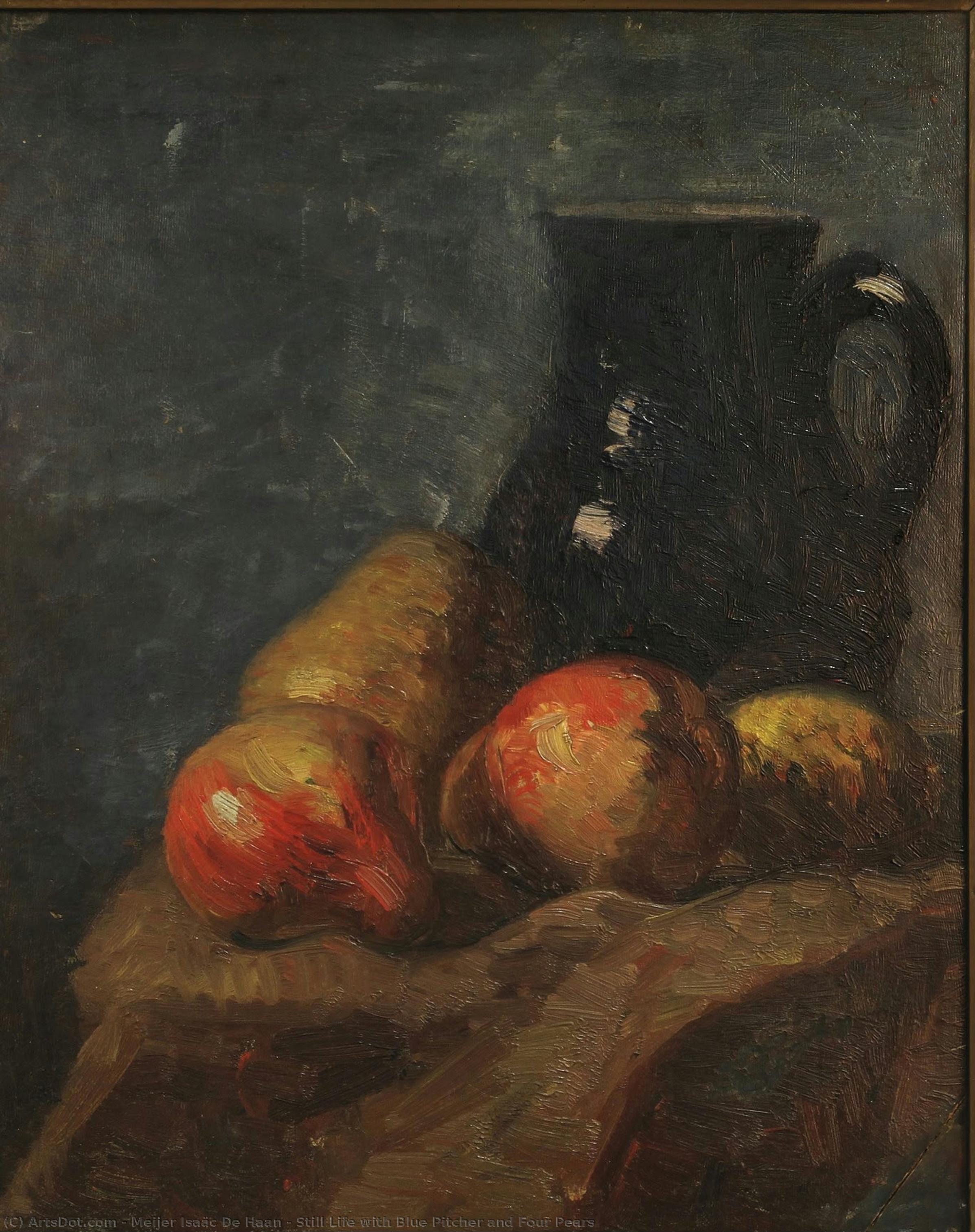
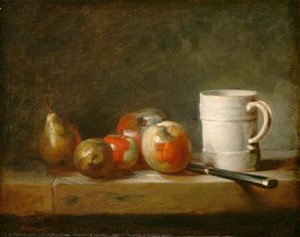
Still Life with Blue Pitcher and Four Pears
 1890
1890 39.0 x 32.0 cm
 Musée de Pont-Aven
 Read More
Hand Made Oil Reproduction
Hand-painted oil on canvas in your size and frame, made to order by our artists. ( Buy Print Buy Image)




































Pick from our preset sizes that match the artwork's original proportions.

You may enter your own dimensions to fit a specific frame or space. If your selected size does not match the original image's proportions, we will either crop the artwork or extend the painting with additional hand-painted elements. A digital mockup will be sent for your approval before production begins.
Please note that the on-screen preview does not reflect the actual cropping or extension. Only the mockup will accurately show the final composition.
While custom sizes are available, we recommend selecting a dimension from the predefined list to preserve the original proportions.
After order, ArtsDot.com team will email client for instructions and provide a mockup preview
Worldwide Delivery () in 3/4 weeks instead of standard 5 weeks. (16 August). No compromise on quality.

Free Worldwide Express Shipping

High-Quality Linen Canvas

Full Shipping Insurance

Customs Tax Refund Guarantee

True Color Matching Guarantee

60-Day Return Policy (Defects Only)

100% Money-Back Guarantee

Bulk Discount Offer
 Glass option is only available in size under 110 CM

Still Life with Blue Pitcher and Four Pears
Reproduction Medium
Reproduction Size
-


Total Price
$ 263
Related Artworks
Artist Biography
Christian Krohg: A Naturalist’s Eye on the Norwegian Landscape
Christian Krohg, born in Oslo in 1852 and tragically passing away in 1925, was a pivotal figure in late 19th-century Norwegian art. More than simply a painter, he embodied a commitment to realism, deeply rooted in the natural world, and a burgeoning interest in capturing the fleeting moments of everyday life – characteristics that firmly place him within the naturalist movement. His work wasn’t merely decorative; it offered a poignant reflection on the human condition against the backdrop of the dramatic Norwegian landscape. Krohg's journey began with formal training in law, a path initially laid out by his father, a civil servant and journalist. However, a youthful fascination with art led him to pursue studies at various prestigious institutions across Europe – first in Germany, then in Karlsruhe under Hans Gude, and finally in Berlin, absorbing the techniques of Karl Gussow. These varied influences shaped his artistic approach, blending German realism with Scandinavian sensibilities.Early Influences and the Skagen Colony
Krohg’s early career was profoundly impacted by his time spent at the Skagen colony of artists in northern Norway during the 1880s. This community, centered around Anna and Michael Ancher, represented a radical shift from academic traditions. The Skagen painters prioritized capturing light and atmosphere with an immediacy rarely seen before. Krohg’s participation in this group fostered his ability to render the effects of weather and time on the landscape – the shifting mists over the sea, the dramatic interplay of light and shadow on rocks, and the subtle changes in color that signaled the passage of seasons. He developed a distinctive style characterized by loose brushwork, vibrant colors, and an emphasis on capturing the essence of a scene rather than meticulously detailing every element. His depictions of coastal life – fishermen hauling nets, children playing on the beach, and weathered sailors – became iconic representations of this period.Themes and Techniques: A Naturalist’s Vision
Krohg's artistic focus consistently revolved around depicting scenes from everyday Norwegian life. He wasn’t interested in grand historical narratives or mythological subjects; instead, he sought to portray the lives of ordinary people – farmers, fishermen, laborers, and their families – with honesty and empathy. His paintings often featured intimate portraits, capturing the weariness of a working man's face, the quiet dignity of a rural scene, or the simple joys of family life. He employed a technique that prioritized observation over idealization, striving to represent subjects as they truly appeared, complete with imperfections and vulnerabilities. Krohg’s use of color was particularly noteworthy; he favored bold, expressive hues that reflected the intensity of the Norwegian light and atmosphere. His compositions were often dynamic, utilizing strong diagonals and asymmetrical arrangements to create a sense of movement and immediacy.Legacy and Recognition
Christian Krohg's influence extended beyond his artistic output. He played a crucial role in establishing art education in Norway, becoming the first professor at the Norwegian National Academy of Fine Arts from 1909 until his death in 1925. This position allowed him to shape the next generation of Norwegian artists and promote a more accessible approach to art training. His work is now recognized as a cornerstone of modern Norwegian painting, celebrated for its realistic portrayal of rural life, its masterful use of light and color, and its profound connection to the landscape. The National Museum in Oslo houses a significant collection of his paintings, ensuring that this important artist’s legacy continues to inspire and resonate with audiences today. His dedication to capturing the authentic spirit of Norway cemented his place as one of the nation's most beloved and enduring artistic figures.Further Resources
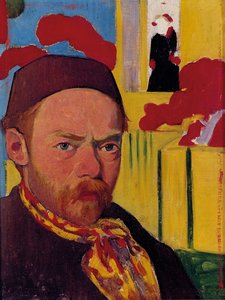
meijer isaäc de haan
1852 - 1895 , Netherlands
Quick Facts
- Artistic Movement Or Style: Naturalism
- Artists Or Movements Influenced By This Artist:
- Anna Ancher
- Michael Ancher
- Artists Who Influenced This Artist:
- Frits Thaulow
- Hans Gude
- Karl Gussow
- Date Of Birth: 13 August 1852
- Date Of Death: 16 October 1925
- Full Name: Christian Krohg
- Nationality: Norwegian
- Notable Artworks:
- Skagen paintings
- Everyday life scenes
- Place Of Birth: Vestre Aker, Norway