

 Preview
 Send
Send Share
Share
 Details

 Download
 Similars
 X-Ray
X-Ray Diaporama
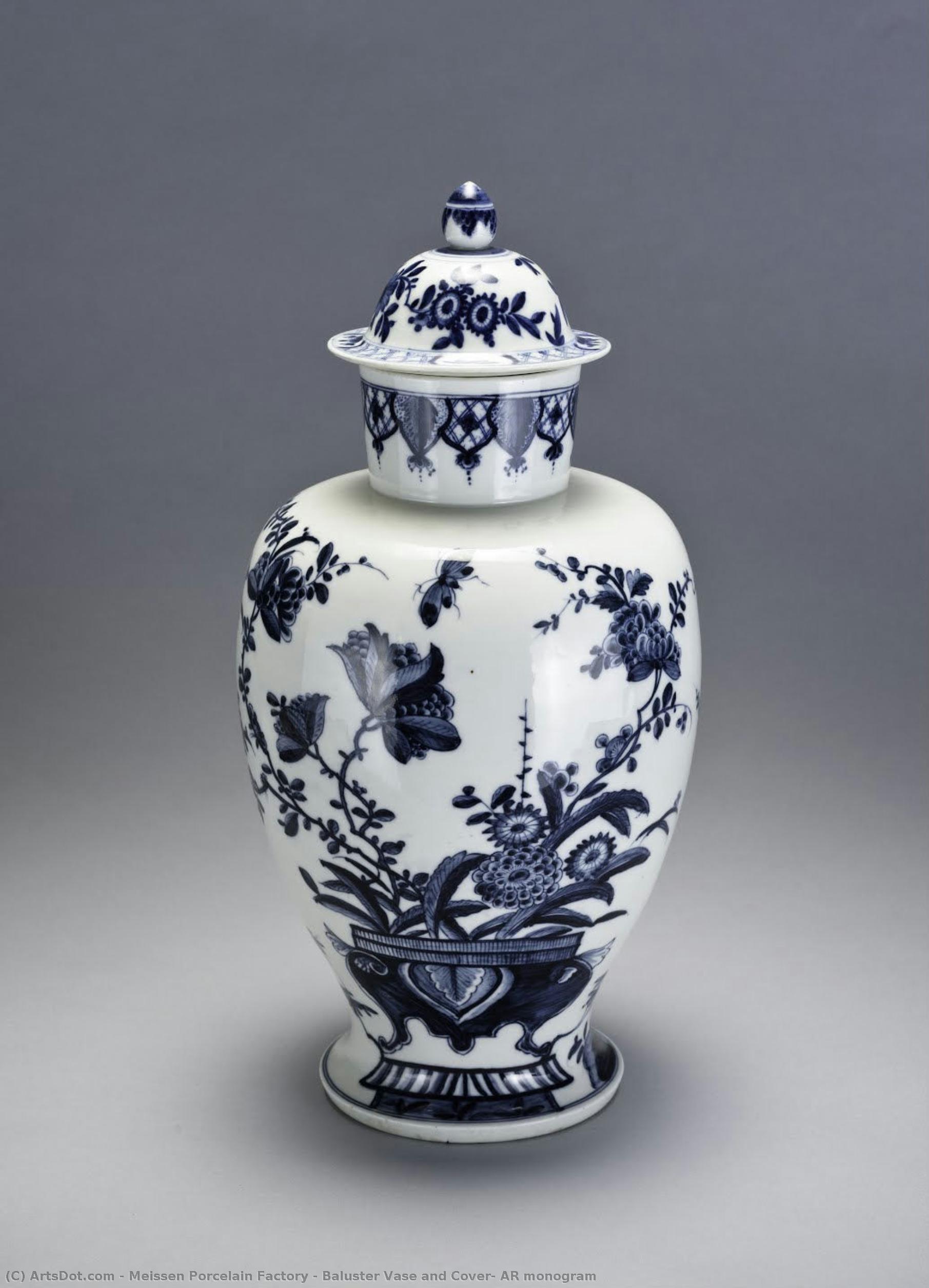
Baluster Vase and Cover, AR monogram
 41.0 x 21.0 cm
 Legion of Honor
 Read More
Purchase a high-resolution, enhanced digital image, far superior to the online preview.
Each file is meticulously prepared by our in-house specialists using advanced tools and expert manual retouching. We ensure every image has exceptional clarity, precise color accuracy, and fine detail.
The final file is delivered via email within 72 hours, optimized for immediate use in professional, editorial, and print environments. This is the same quality trusted by top-tier design studios, publishers, and galleries.
Digital Image
Download a high-resolution file for personal display, printing, and creative projects. ( Buy Print Buy Hand Made Painting)
Included in Every Digital Image Order
Expert Digital Delivery, Guaranteed
When you choose ArtsDot.com, you're not just getting an image - you're receiving a professionally enhanced digital artwork, crafted with precision and backed by a satisfaction guarantee. Here's everything that comes with your order, automatically:

Fast Email Delivery
Your high-resolution digital image file will be emailed to you within 72 hours of ordering - ready for immediate use.

AI-Enhanced Digital File
Your artwork is professionally optimized using advanced AI tools and manual editing, ensuring maximum detail, clarity, and color accuracy.

Free Lifetime Re-Delivery
Accidentally deleted or lost your file? No worries - we'll resend it to you anytime, free of charge.

No Import Fees - Ever
Enjoy your artwork instantly with zero customs, duties, or delivery fees - digital downloads are always tax-free.

Color Accuracy Guarantee
We ensure your digital image reflects the original colors as closely as possible using professional tools and color management.

60-Day Satisfaction Guarantee
If you're not satisfied with your digital image, we'll revise it or refund 100% within 60 days - no questions asked.

100% Money-Back Guarantee
Not satisfied? Get a full refund within 60 days of receiving your digital file - no questions asked.

Bulk Order Discounts
Buy 3 images, save 10% - Buy 5, save 15% - Buy 10+, save 20%. Great for creative projects, galleries, and agencies.
Related Artworks








Artist Biography
The Enduring Legacy of Meissen Porcelain
The story of Meissen porcelain is inextricably linked to the ambition of Augustus the Strong, Elector of Saxony and King of Poland, a ruler consumed by a passion for collecting and creating objects of unparalleled beauty. While not an artist in the traditional sense, his vision birthed what would become the first successful European hard-paste porcelain manufactory – the Meissen Porcelain Factory, established in 1710. Before this moment, Europe relied on imports from China, a source shrouded in mystery and subject to fluctuating trade relations. Augustus’s desire was not merely to possess these coveted wares but to unlock their secrets and establish Saxony as a rival center of porcelain production. This quest began with the recruitment of Johann Friedrich Böttger, an alchemist initially tasked with discovering the philosopher's stone, who serendipitously stumbled upon the formula for hard-paste porcelain while experimenting with various materials in Dresden.Early Innovations and Rococo Flourishes
The initial years were dedicated to perfecting the process – a complex undertaking involving kaolin (white clay), quartz, feldspar, and meticulous firing techniques. By 1713, Meissen was producing porcelain that rivaled its Chinese counterpart in quality and translucence. The early pieces, often referred to as “onion shape” due to their distinctive form, were decorated with vibrant colors inspired by Eastern motifs. However, the factory quickly moved beyond imitation, embracing a distinctly European aesthetic. Under the artistic direction of figures like Johann Gregorius Höroldt, Meissen porcelain became synonymous with the Rococo style. Delicate scenes of courtly love, playful allegories, and intricate floral arrangements adorned teacups, figurines, and elaborate tableware. The factory’s mastery extended to innovative sculptural forms, particularly small, exquisitely detailed animal sculptures and figures of harlequins and musicians. This period saw the development of underglaze blue painting, a technique that allowed for incredibly fine detail and depth of color, becoming a hallmark of Meissen's early production. Höroldt’s influence was pivotal in establishing the factory’s reputation for both technical excellence and artistic refinement.The Kändler Era: A Golden Age
The arrival of Johann Joachim Kändler in 1731 marked a turning point, ushering in what is widely considered Meissen's golden age. Kändler, a sculptor of exceptional talent, revolutionized the factory’s output with his lifelike figurines and elaborate table centerpieces. His most celebrated creation, the “Swan Service” (begun in 1737), commissioned for Count Heinrich von Brühl, remains an iconic example of Rococo extravagance – a sprawling ensemble depicting scenes from Greek mythology populated by hundreds of individually sculpted figures. Kändler’s skill lay not only in his ability to capture anatomical accuracy but also in his understanding of narrative and theatrical composition. He established distinct modeling styles, including the “crossed swords” mark which became synonymous with quality and authenticity. Beyond the Swan Service, Kändler designed numerous other services for European nobility, each reflecting a unique theme and showcasing Meissen’s unparalleled craftsmanship. His influence extended to the creation of allegorical figures representing the months of the year, elements of nature, and scenes from everyday life, solidifying Meissen's position as a leading producer of luxury goods.Neoclassicism and Beyond: Adapting to Changing Tastes
As Rococo gave way to Neoclassicism in the latter half of the 18th century, Meissen adapted its style accordingly. While retaining its commitment to quality, the factory embraced simpler forms, more restrained decoration, and themes inspired by classical antiquity. Sculptors like Johann Peter Melby continued Kändler’s legacy, producing elegant figures based on mythological subjects and portraits of contemporary personalities. The Napoleonic Wars brought disruption, but Meissen persevered, continuing to produce porcelain for a changing world. Throughout the 19th and 20th centuries, the factory experimented with new techniques and styles, including Art Nouveau and Art Deco designs, while always remaining true to its heritage of craftsmanship and artistic innovation.- The introduction of decalcomania in the 19th century allowed for more complex and detailed decoration.
- The factory’s commitment to preserving traditional modeling techniques ensured the continuity of its distinctive style.
Meissen Today: A Continuing Tradition
Today, Meissen Porcelain continues to operate as a prestigious manufactory, upholding centuries-old traditions while embracing contemporary design. The factory’s pieces are highly sought after by collectors worldwide, representing not only exceptional artistry but also a rich cultural heritage. While modern designs explore new aesthetic possibilities, the legacy of Kändler and Höroldt remains palpable in the meticulous craftsmanship and attention to detail that characterize every Meissen creation. The crossed swords mark continues to symbolize quality, luxury, and a commitment to artistic excellence. The enduring appeal of Meissen porcelain lies in its ability to transcend mere functionality, transforming everyday objects into works of art – testaments to the vision of Augustus the Strong and the skill of generations of artisans who have dedicated their lives to perfecting this timeless craft.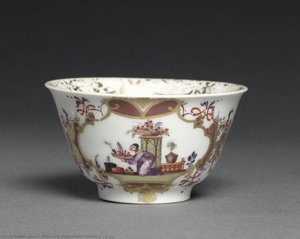
Quick Facts
- Artistic Movement Or Style: Porcelain Manufacturing
- Date Of Death: Living
- Full Name: Meissen Porcelain Factory

