 Preview
 Send
Send Share
Share
 Details

 Download
 Similars
 X-Ray
X-Ray Diaporama
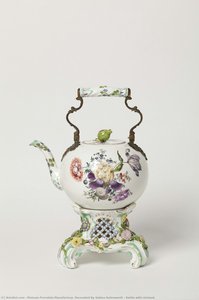
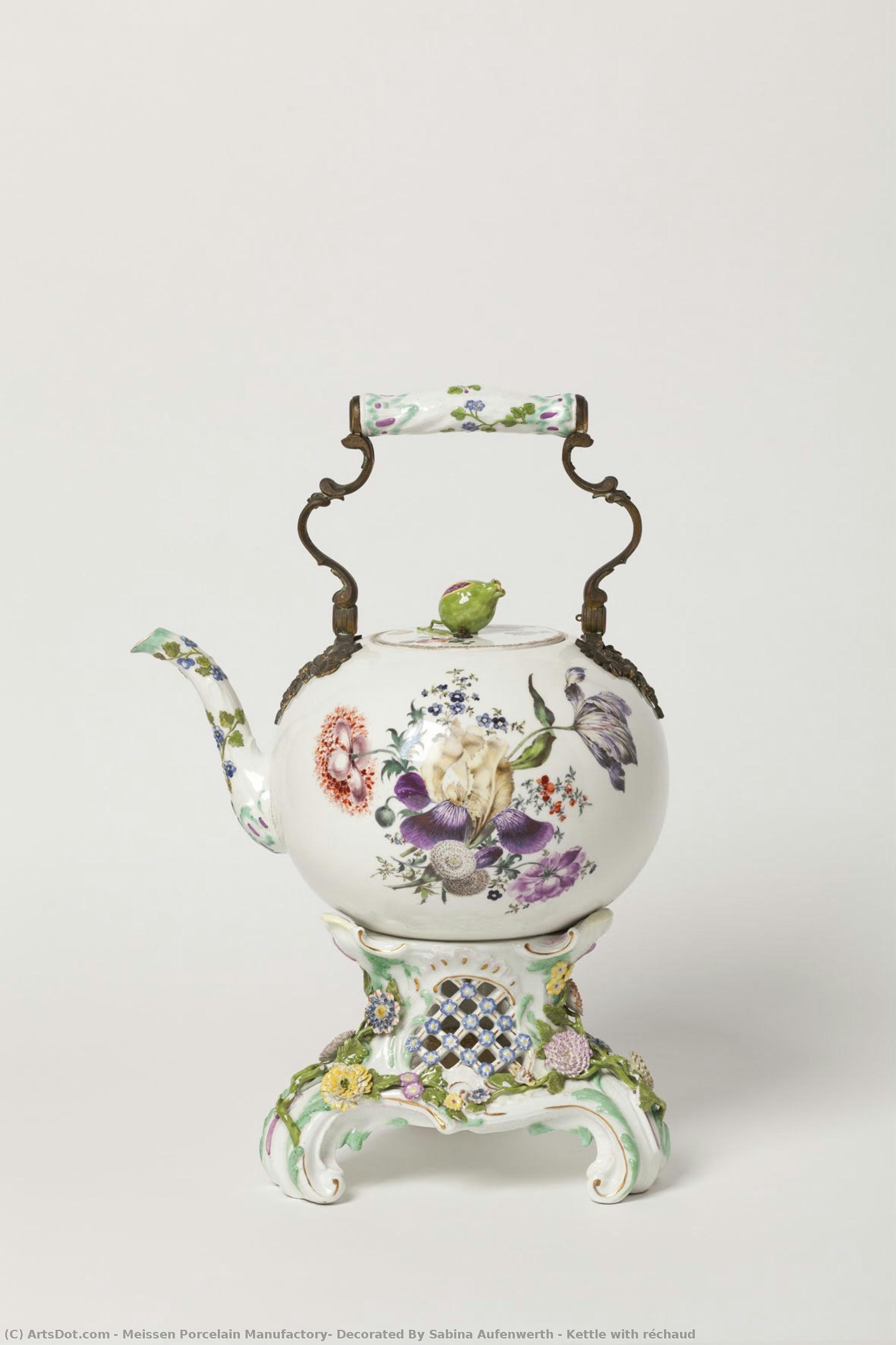
Kettle with réchaud


 Read More
Hand Made Oil Reproduction
Hand-painted oil on canvas in your size and frame, made to order by our artists. ( Buy Print Buy Image)




































Pick from our preset sizes that match the artwork's original proportions.

You may enter your own dimensions to fit a specific frame or space. If your selected size does not match the original image's proportions, we will either crop the artwork or extend the painting with additional hand-painted elements. A digital mockup will be sent for your approval before production begins.
Please note that the on-screen preview does not reflect the actual cropping or extension. Only the mockup will accurately show the final composition.
While custom sizes are available, we recommend selecting a dimension from the predefined list to preserve the original proportions.
After order, ArtsDot.com team will email client for instructions and provide a mockup preview
Worldwide Delivery () in 3/4 weeks instead of standard 5 weeks. (28 August). No compromise on quality.

Free Worldwide Express Shipping

High-Quality Linen Canvas

Full Shipping Insurance

Customs Tax Refund Guarantee

True Color Matching Guarantee

60-Day Return Policy (Defects Only)

100% Money-Back Guarantee

Bulk Discount Offer
 Glass option is only available in size under 110 CM

Kettle with réchaud
Reproduction Medium
Reproduction Size
-


Total Price
$ 263
Related Artworks








Artist Biography
Sabina Aufenwerth: A Pioneer of Meissen Porcelain Decoration
Sabina Aufenwerth’s contribution to the artistic heritage of Germany transcends mere decoration; it represents a pivotal moment in the revival of European ceramic art during the Baroque era. Born in Dresden, Saxony, around 1725, Aufenwerth emerged from humble beginnings as the daughter of Johann Friedrich Aufenwerth, a skilled porcelain craftsman who had established himself as Meissen’s foremost decorator.
- Early Life and Training: Aufenwerth received her initial artistic education under the tutelage of Johann Christian Eberhard Bachmann, Meissen’s director of painting. This formative experience instilled in her a profound understanding of Baroque aesthetics—characterized by grandeur, dynamism, and meticulous detail—which would become hallmarks of her distinctive style.
- Collaboration with Johann Friedrich Böttger: Aufenwerth's career blossomed alongside the groundbreaking achievements of Johann Friedrich Böttger, who revolutionized porcelain production. Together they embarked on a collaborative endeavor to elevate Meissen’s artistic standards, experimenting with innovative techniques and pushing the boundaries of decorative artistry.
- Signature Style: Aufenwerth’s artistic vision distinguished itself through its masterful blending of classical motifs—particularly floral arrangements—with intricate gilding and enamel painting. Her designs prioritized elegance and refinement, reflecting the prevailing tastes of aristocratic patrons who sought to adorn their residences with opulent artworks.
The Meissen Workshop and Aufenwerth’s Artistic Legacy
Aufenwerth's involvement in the Meissen workshop extended beyond mere decoration; she actively participated in shaping its artistic direction. Her influence was particularly evident in the creation of tableware sets—particularly tea services—that epitomized Baroque splendor. These pieces showcased her unparalleled skill in capturing fleeting moments of beauty and conveying emotions through subtle color palettes and delicate textural effects.
- Notable Tea Services: Aufenwerth’s designs graced numerous celebrated Meissen tea services, including the iconic “Teapot with Cover” (circa 1730), which exemplifies her mastery of form and ornamentation. The teapot's stylized helmeted figure—inspired by Baroque sculpture—was adorned with elaborate floral garlands and gilded accents, reflecting Aufenwerth’s commitment to upholding artistic excellence.
- Influence on Decorative Trends: Aufenwerth’s aesthetic sensibilities profoundly impacted Meissen’s decorative trends, establishing a precedent for incorporating naturalistic imagery into porcelain art. Her meticulous attention to detail—particularly in the rendering of petals and leaves—served as an inspiration for subsequent generations of Meissen artists.
A Reflection of Baroque Artistic Values
Sabina Aufenwerth’s artistic output embodies the core tenets of Baroque art—namely, grandeur, dynamism, and emotional intensity. Her decorative motifs resonated with the sensibilities of her time, mirroring the fascination for idealized beauty and the desire to express profound sentiments through visual language.
- Symbolism and Emotion: Aufenwerth’s floral arrangements conveyed not merely aesthetic pleasure but also symbolic meanings—representing fertility, grace, and spiritual contemplation. These motifs underscored the Baroque preoccupation with conveying emotion and elevating the viewer's experience beyond mere observation.
- Technical Innovation: Aufenwerth’s artistic achievements were underpinned by technical prowess—demonstrated in her skillful application of enamel painting and gilding techniques. Her meticulous craftsmanship ensured that Meissen porcelain pieces retained their luster and vibrancy for centuries to come.
Historical Significance and Enduring Recognition
Sabina Aufenwerth’s legacy extends far beyond the confines of Meissen’s workshop; she stands as a symbol of German artistic innovation during the Baroque period. Her contributions to porcelain decoration solidified Meissen’s reputation as Europe's premier ceramic manufacturer—a distinction that persists to this day.
- The Birth of European Porcelain Art: Aufenwerth’s work played an instrumental role in reviving European porcelain art after its initial decline. Her stylistic choices championed the Baroque aesthetic, establishing a precedent for incorporating naturalistic imagery into ceramic decoration.
- A Testament to Artistic Excellence: Aufenwerth's enduring recognition testifies to the timeless appeal of her artistic vision—characterized by elegance, refinement, and unwavering devotion to craftmanship. Her legacy continues to inspire artists and collectors alike, ensuring that Sabina Aufenwerth’s contribution to German cultural heritage remains vividly alive.
Her meticulous attention to detail—particularly in the rendering of petals and leaves—served as an inspiration for subsequent generations of Meissen artists.

meissen porcelain manufactory, decorated by sabina aufenwerth
1725 - , Germany
Quick Facts
- Artistic Movement Or Style: Contemporary Ceramics
- Full Name: Sabina Aufenwerth
- Nationality: German
- Notable Artworks: ['Teapot with cover']
- Place Of Birth: Germany