 Preview
 Send
Send Share
Share
 Details

 Download
 Similars
 X-Ray
X-Ray Diaporama
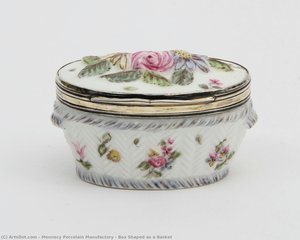
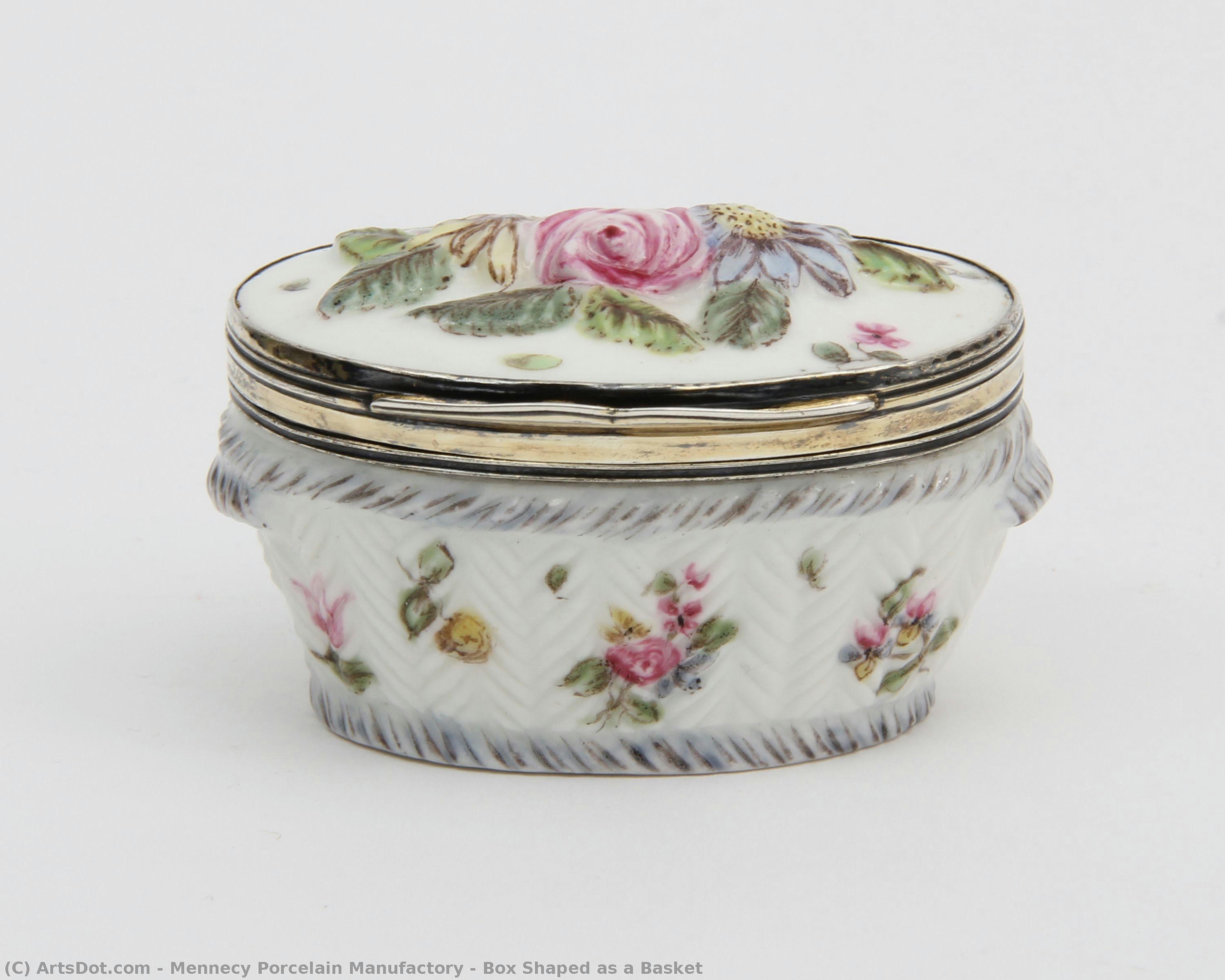
Box Shaped as a Basket
 1777
1777 5.0 x 6.0 cm
 Gardiner Museum of Ceramic Art
 Read More
Hand Made Oil Reproduction
Hand-painted oil on canvas in your size and frame, made to order by our artists. ( Buy Print Buy Image)




































Pick from our preset sizes that match the artwork's original proportions.

You may enter your own dimensions to fit a specific frame or space. If your selected size does not match the original image's proportions, we will either crop the artwork or extend the painting with additional hand-painted elements. A digital mockup will be sent for your approval before production begins.
Please note that the on-screen preview does not reflect the actual cropping or extension. Only the mockup will accurately show the final composition.
While custom sizes are available, we recommend selecting a dimension from the predefined list to preserve the original proportions.
After order, ArtsDot.com team will email client for instructions and provide a mockup preview
Worldwide Delivery () in 3/4 weeks instead of standard 5 weeks. (22 August). No compromise on quality.

Free Worldwide Express Shipping

High-Quality Linen Canvas

Full Shipping Insurance

Customs Tax Refund Guarantee

True Color Matching Guarantee

60-Day Return Policy (Defects Only)

100% Money-Back Guarantee

Bulk Discount Offer
 Glass option is only available in size under 110 CM

Box Shaped as a Basket
Reproduction Medium
Reproduction Size
-


Total Price
$ 263
Related Artworks







Artist Biography
Mennecy Porcelain Manufactory: A Legacy of Delicate Hue and French Elegance
The mennecy porcelain manufactory stands as a testament to the burgeoning artistic spirit of 18th-century France, specifically under the patronage of Louis-François-Anne de Neuveville, duc de Villeroy. Established in 1737, this atelier quickly ascended to prominence, becoming synonymous with “villeroy-mennecy” and simply “mennecy porcelain,” a name that continues to resonate within the annals of decorative arts history. Located in the charming commune of mennecy, nestled in Île-de-France region, it ceased operations around 1806, leaving behind an enduring legacy of exquisitely crafted pieces.- Origins and Patronage: Villeroy’s ambition to elevate French porcelain production stemmed from a desire to rival the celebrated Meissen manufactory in Germany – a formidable competitor at the time. Recognizing the importance of royal endorsement, he secured the backing of Louis XV, fostering an environment ripe for innovation and artistic excellence.
- Technique and Aesthetic: The mennecy porcelain makers perfected the soft-paste technique, painstakingly recreating the translucent qualities of Wedgwood porcelain from England. This meticulous process demanded considerable skill and patience, resulting in pieces characterized by remarkable lightness and ethereal beauty. Crucially, their palette favored claret hues – a distinctive shade of purple – complemented by accents of blue, green, and yellow, creating visual harmonies that epitomized the Rococo style.
Distinctive Characteristics & Color Palette
The hallmark of mennecy porcelain is undeniably its color palette. Unlike the creamy whites favored by many contemporary factories, mennecy artisans deliberately pursued a bold yet refined aesthetic. The dominant hue – claret – wasn’t merely decorative; it represented a conscious effort to capture the vibrancy and richness associated with aristocratic taste. This shade was achieved through complex glazing processes involving manganese dioxide, resulting in an unparalleled luminosity that captivated collectors and artists alike. Furthermore, subtle blues, greens, and yellows were skillfully applied, enhancing the overall visual impact of each piece and reflecting the prevailing artistic sensibilities of the era.- Floral Motifs & Rococo Influence: Mennecy porcelain frequently featured elaborate floral motifs – roses, lilies, violets – mirroring the opulent decorations characteristic of the Rococo period. These designs were executed with meticulous detail, demonstrating a profound understanding of botanical illustration and artistic convention.
- Notable Commissions & Artistic Collaborations: The manufactory enjoyed considerable success in fulfilling commissions from royal families and aristocratic households across Europe. Artists like Jean-Baptiste Simeon Lefèvre collaborated closely with the porcelain makers, elevating mennecy pieces to levels of artistic sophistication rarely seen elsewhere.
Major Achievements & Historical Significance
Despite its relatively short operational lifespan compared to some other European factories, mennecy porcelain achieved considerable renown during its time. Its exceptional quality and distinctive color palette secured it a place among the finest porcelains of the 18th century, influencing subsequent ceramic production styles. The manufactory’s contribution to French decorative arts is undeniable, shaping tastes and inspiring artistic endeavors for decades after its closure. Today, surviving mennecy porcelain pieces are treasured by museums and private collectors worldwide—a tangible reminder of France's artistic prowess during the reign of Louis XV.- Legacy & Reproduction: The enduring fascination with mennecy porcelain continues to fuel reproductions today, allowing enthusiasts to appreciate its beauty and craftsmanship without incurring the expense of original specimens. These meticulously crafted copies serve as invaluable tools for studying the techniques and aesthetic principles that defined this remarkable period in ceramic history.
References
* Getty Museum: Mennecy Porcelain Manufactory - Getty Museum * Porcelain Collection Germany Dresden: Porcelain Collection Germany Dresden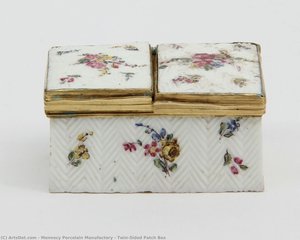
Quick Facts
- Artistic Movement Or Style: Soft paste porcelain
- Full Name: Mennecy Porcelain Manufactory
- Nationality: French
- Notable Artworks:
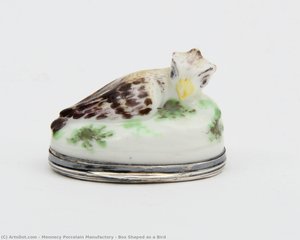
- Box Shaped as a Bird
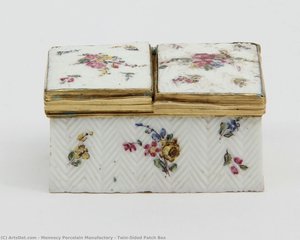
- Twin-Sided Patch Box
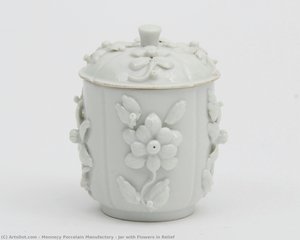
- Jar with Flowers in Relief
- Place Of Birth: France