 Preview
 Send
Send Share
Share
 Details

 Download
 Similars
 X-Ray
X-Ray Diaporama
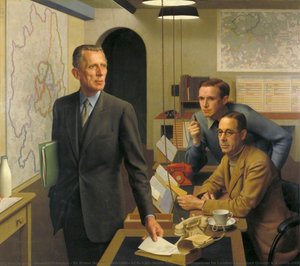
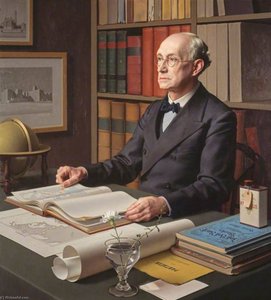
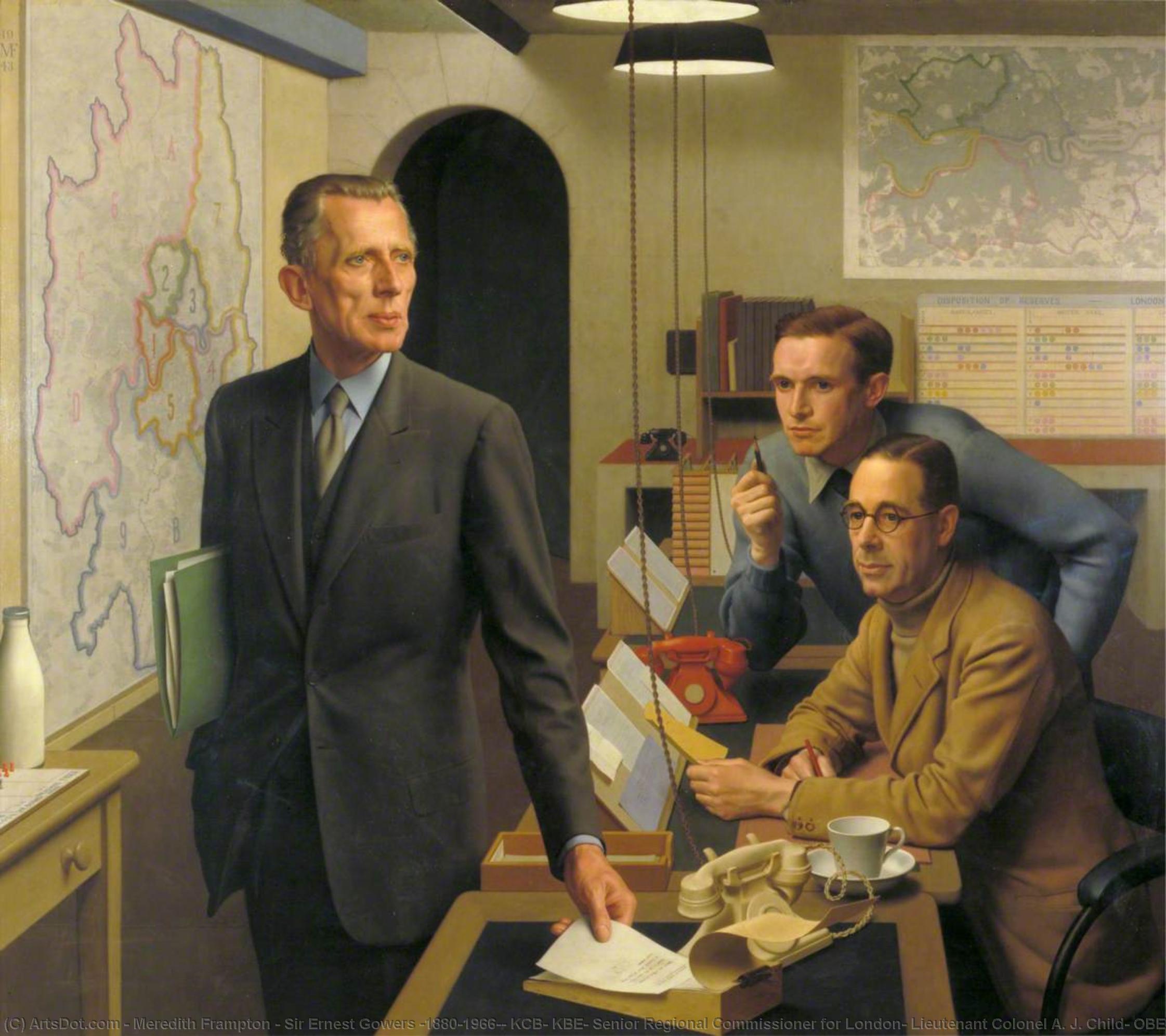
Sir Ernest Gowers (1880–1966), KCB, KBE, Senior Regional Commissioner for London, Lieutenant Colonel A. J. Child, OBE, MC, Director of Operations and Intelligence, and K. A. L. Parker, Deputy Chief Administrative Officer, in the London Regional Civil....
 1943
1943 148.0 x 169.0 cm
 Read More
Hand Made Oil Reproduction
Hand-painted oil on canvas in your size and frame, made to order by our artists. ( Buy Print Buy Image)




































Pick from our preset sizes that match the artwork's original proportions.

You may enter your own dimensions to fit a specific frame or space. If your selected size does not match the original image's proportions, we will either crop the artwork or extend the painting with additional hand-painted elements. A digital mockup will be sent for your approval before production begins.
Please note that the on-screen preview does not reflect the actual cropping or extension. Only the mockup will accurately show the final composition.
While custom sizes are available, we recommend selecting a dimension from the predefined list to preserve the original proportions.
After order, ArtsDot.com team will email client for instructions and provide a mockup preview
Worldwide Delivery () in 3/4 weeks instead of standard 5 weeks. (23 August). No compromise on quality.

Free Worldwide Express Shipping

High-Quality Linen Canvas

Full Shipping Insurance

Customs Tax Refund Guarantee

True Color Matching Guarantee

60-Day Return Policy (Defects Only)

100% Money-Back Guarantee

Bulk Discount Offer
 Glass option is only available in size under 110 CM

Sir Ernest Gowers (1880–1966), KCB, KBE, Senior Regional Commissioner for London, Lieutenant Colonel A. J. Child, OBE, MC, Director of Operations and Intelligence, and K. A. L. Parker, Deputy Chief Administrative Officer, in the London Regional Civil....
Reproduction Medium
Reproduction Size
-


Total Price
$ 263
Artwork Description
Related Artworks










Artist Biography
Meredith Frampton: The Unseen Master of British Portraiture
Meredith Frampton (1894-1984) remains a quietly compelling figure in the history of British art, an artist whose talent was initially overshadowed by circumstance and shifting artistic sensibilities. Born in St. John’s Wood, London – the only child of sculptor Sir George Frampton and painter Christabel Cockerell – his lineage provided both an immediate connection to artistic heritage and a subtle pressure to forge his own path. His early life was steeped in creative influence, fostering a deep appreciation for form, light, and the evocative power of visual representation. Frampton’s journey wasn't one of flamboyant exhibitions or public acclaim; instead, it unfolded with a deliberate, almost meditative pace, culminating in a body of work characterized by an uncanny realism and a profound understanding of human psychology.
Early Years and Artistic Training
Frampton’s formal artistic education began at the St. John’s Wood School of Art, followed by studies at the Royal Academy Schools between 1912 and 1915, where he earned both a first prize and a silver medal – accolades that hinted at his burgeoning talent. Crucially, his time in Geneva during this period provided him with invaluable exposure to French artistic traditions, particularly Impressionism and early Cubism, subtly shaping his approach to composition and color. This international experience broadened his perspective, allowing him to synthesize diverse influences into a uniquely personal style. His father’s work as the sculptor of Peter Pan undoubtedly influenced his eye for detail and form.
Service in World War I and Artistic Development
The First World War interrupted Frampton's artistic pursuits, but it also provided him with a unique opportunity to hone his observational skills. Serving as a field survey unit sketcher on the Western Front, he meticulously documented the grim realities of trench warfare – not through romanticized depictions, but with a stark and unflinching realism. This experience instilled in him an acute awareness of light, shadow, and the subtle nuances of human expression under duress. He also worked interpreting aerial photographs, further refining his ability to translate three-dimensional space onto a two-dimensional surface. Following the war, he returned to painting with renewed focus, establishing himself as one of the most highly regarded portraitists in Britain during the 1920s.
The Golden Age of Portraiture: Style and Technique
Frampton’s artistic style is instantly recognizable – a remarkable blend of classical restraint and modern precision. He eschewed dramatic brushstrokes, opting instead for smooth, almost photographic realism achieved through painstaking layering of thin glazes. His portraits are imbued with an uncanny sense of stillness and intimacy, capturing not just the likeness of his subjects but also their inner lives. He was particularly adept at conveying a subtle emotional depth, often hinting at unspoken thoughts and feelings. Many of his commissions – including portraits of the Duke of York (later King George VI), academics, scientists, and prominent women from fashionable society – were undertaken with an extraordinary level of dedication, sometimes requiring an entire year to complete a single painting. His meticulous approach demanded immense patience and control, resulting in works that possess a timeless quality.
Legacy and Recognition
Despite his considerable talent, Frampton’s career was tragically cut short by deteriorating eyesight in the 1950s, limiting his ability to continue his work. However, his legacy has been steadily recognized over time. His paintings are now held in prestigious collections including the National Portrait Gallery, Tate Gallery, and Imperial War Museum – testaments to their enduring artistic merit. More recently, scholars like Alastair Sooke have championed Frampton’s overlooked genius, highlighting his technical brilliance and profound psychological insight. The rediscovery of his work offers a valuable perspective on British art during the interwar period, demonstrating that true mastery often lies hidden beneath the surface, waiting to be unveiled.
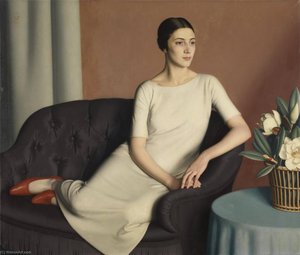
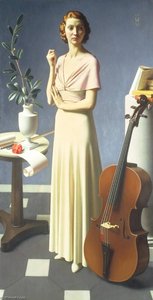
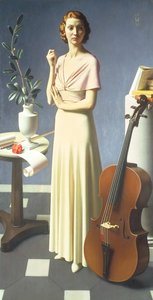
Frampton's portrait of a young woman, showcased at the Royal Academy in 1935 and subsequently purchased by the gallery, exemplifies his ability to capture both beauty and vulnerability. His work stands as a poignant reminder that artistic brilliance can emerge from unexpected places, and that even the most unassuming figures can leave an indelible mark on the world of art.
Meredith Frampton
1894 - 1984 , United Kingdom
Quick Facts
- Artistic Movement Or Style: Neo-classical portraiture
- Artists Or Movements Influenced By This Artist: ['None known']
- Artists Who Influenced This Artist: ['George Frampton (father)']
- Date Of Birth: 1894-03-17
- Date Of Death: 1984-09-16
- Full Name: George Vernon Meredith Frampton
- Nationality: British
- Notable Artworks:
- Portrait of a Young Woman
- Sir Ernest Gowers
- Place Of Birth: St John's Wood, London