

 Preview
 Send
Send Share
Share
 Details

 Download
 Similars
 X-Ray
X-Ray Diaporama
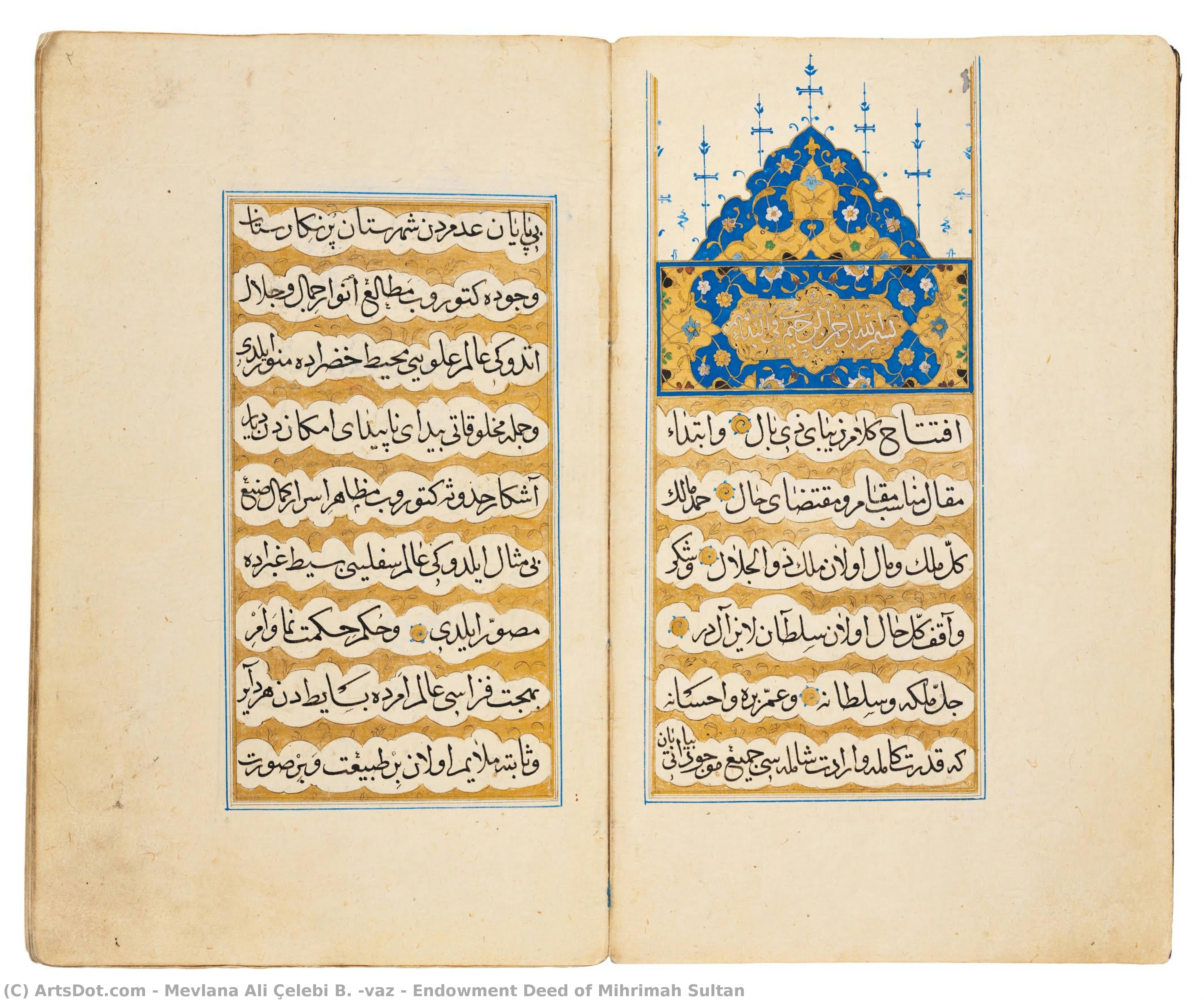
Endowment Deed of Mihrimah Sultan
 Manuscript
- Islamic Calligraphy
 1550
1550- Early Modern
 26.0 x 16.0 cm
 Sadberk Hanım Museum
 Read More
Purchase a high-resolution, enhanced digital image, far superior to the online preview.
Each file is meticulously prepared by our in-house specialists using advanced tools and expert manual retouching. We ensure every image has exceptional clarity, precise color accuracy, and fine detail.
The final file is delivered via email within 72 hours, optimized for immediate use in professional, editorial, and print environments. This is the same quality trusted by top-tier design studios, publishers, and galleries.
Digital Image
Download a high-resolution file for personal display, printing, and creative projects. ( Buy Print Buy Hand Made Painting)
Included in Every Digital Image Order
Expert Digital Delivery, Guaranteed
When you choose ArtsDot.com, you're not just getting an image - you're receiving a professionally enhanced digital artwork, crafted with precision and backed by a satisfaction guarantee. Here's everything that comes with your order, automatically:

Fast Email Delivery
Your high-resolution digital image file will be emailed to you within 72 hours of ordering - ready for immediate use.

AI-Enhanced Digital File
Your artwork is professionally optimized using advanced AI tools and manual editing, ensuring maximum detail, clarity, and color accuracy.

Free Lifetime Re-Delivery
Accidentally deleted or lost your file? No worries - we'll resend it to you anytime, free of charge.

No Import Fees - Ever
Enjoy your artwork instantly with zero customs, duties, or delivery fees - digital downloads are always tax-free.

Color Accuracy Guarantee
We ensure your digital image reflects the original colors as closely as possible using professional tools and color management.

60-Day Satisfaction Guarantee
If you're not satisfied with your digital image, we'll revise it or refund 100% within 60 days - no questions asked.

100% Money-Back Guarantee
Not satisfied? Get a full refund within 60 days of receiving your digital file - no questions asked.

Bulk Order Discounts
Buy 3 images, save 10% - Buy 5, save 15% - Buy 10+, save 20%. Great for creative projects, galleries, and agencies.
A Golden Legacy in Script: The Endowment Deed of Mihrimah Sultan
In the heart of the sixteenth-century Ottoman Empire, during the zenith of Sultan Süleyman the Magnificent’s reign, there existed a profound intersection of imperial power and spiritual devotion. The Endowment Deed of Mihrimah Sultan serves as a breathtaking window into this era, capturing not just a legal transaction, but a moment of eternalized grace. Created around 1550, this exquisite document is far more than a mere administrative record; it is a masterpiece of calligraphic artistry and a testament to the enduring legacy of one of history's most influential women. As a piece of historical art, it radiates an aura of sacred authority, inviting the viewer to contemplate the meticulous care with which the Ottoman elite recorded their contributions to the divine and the public good.
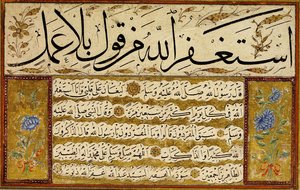
The visual soul of this deed lies in its breathtaking illumination and the rhythmic elegance of the thuluth script. At the very threshold of the text, one encounters a richly illuminated unvan panel, a decorative header that commands immediate reverence. Within this ornate cartouche, the Besmele—the sacred invocation—is inscribed in shimmering gold. The use of gold thuluth script against a gilded ground creates a celestial effect, where the light seems to dance upon the very words of prayer. This technique, characteristic of high-level Ottoman manuscript illumination, transforms the parchment into a luminous object of veneration. For the collector or the lover of fine detail, the interplay between the delicate gold leaf and the precise, flowing ink strokes offers a sensory experience that transcends the boundaries of time.
Beyond its aesthetic splendor, the deed carries immense historical weight, acting as the architectural blueprint for a legacy of charity. The document outlines the vakıf, or pious endowment, established by Mihrimah Sultan for her mosque complex in Üsküdar, designed by the legendary architect Sinan. Through these pages, we trace the movement of wealth and resources from Anatolia and Rumelia to support the upkeep of religious and social institutions. The hand of the master scribe, Mevlana Ali Çelebi B. İvaz, provides the rhythmic heartbeat to this legal narrative. His disciplined yet fluid strokes do not merely convey information; they bestow a sense of permanence and dignity upon the properties and people mentioned within. To possess a reproduction of such a work is to bring into one's space a fragment of the Ottoman Golden Age, embodying the themes of stewardship, architectural grandeur, and the sublime beauty of the written word.
For interior designers and connoisseurs of historical decor, this piece offers an unparalleled opportunity to introduce a sense of profound heritage and sophisticated texture into a curated environment. The warm, aged tones of the parchment, paired with the regal brilliance of the gold illumination, provide a focal point that is both intellectually stimulating and visually soothing. It serves as a conversation piece that bridges the gap between the administrative history of the East and the universal appreciation for fine craftsmanship. Whether placed in a library, a study, or a grand hall, the Endowment Deed of Mihrimah Sultan evokes an atmosphere of quiet contemplation and timeless elegance, reminding us that true greatness is often found in the delicate, enduring strokes of a master's hand.
Related Artworks


Artist Biography
Mevlana Ali Çelebi B. İvaz: The Silent Hand of the Ottoman Endowment
Mevlana Ali Çelebi B. İvaz stands as a quietly significant figure in 16th-century Ottoman art and administration – a master scribe whose legacy resides primarily within the intricate details of a monumental architectural commission. While biographical information about him remains scarce, his contribution to the Mihrimah Sultan endowment deed is undeniably crucial, offering a rare glimpse into the meticulous processes of imperial patronage and the artistry of Islamic calligraphy during the reign of Sultan Süleyman the Magnificent. His work isn’t celebrated with grand portraits or elaborate biographies; instead, it lives on in the elegant strokes of his *thuluth* script adorning one of the most important documents of the era – a testament to the power of words and their role in shaping civic identity and religious devotion. Born sometime around 1510-1511 (the exact date remains uncertain), Ali Çelebi’s life unfolded largely within the administrative heart of the Ottoman Empire. He rose to prominence through his skill as a scribe, specifically mastering the art of *divan* writing – the formal script used for official documents and legal instruments. His most celebrated work is undoubtedly the preface text accompanying the endowment deed for the mosque complex commissioned by Mihrimah Sultan, the beloved daughter of Sultan Süleyman and Hürrem Sultan (Roxelana). This document wasn’t merely a record of property allocation; it was a carefully crafted statement of intent, imbued with religious significance and reflecting the grandeur of the Ottoman court. The deed itself details the endowment of substantial lands and revenues in Anatolia and Rumelia – regions vital to the empire's economic stability – all dedicated to supporting the upkeep and operation of the newly constructed mosque complex in Üsküdar, a district of Istanbul. The significance of Ali Çelebi’s contribution lies not just in his technical proficiency but also in the artistic elements he incorporated into the document. The preface is framed by a richly illuminated *unvan* panel – a decorative title page – featuring a central cartouche containing the *besmele*, an invocation of God's name, rendered in exquisite gold *thuluth* script. This meticulous execution demonstrates Ali Çelebi’s mastery of calligraphy and his understanding of its symbolic power within Islamic art. The choice of *thuluth*, a bold and elegant serif typeface, speaks to the importance of the document itself and the reverence with which it was intended to be treated. The gold leaf used – a hallmark of Ottoman imperial commissions – further elevates the piece, signifying wealth, status, and divine favor.The Context: Mihrimah Sultan and Sinan the Architect
To fully appreciate Ali Çelebi’s role, it's essential to understand the context surrounding the endowment deed. Mihrimah Sultan was a figure of considerable influence within the Ottoman court, known for her patronage of the arts and architecture. She commissioned numerous projects, including the magnificent mosque complex in Üsküdar, designed by the legendary architect Mimar Sinan. This complex wasn’t simply a place of worship; it represented a powerful statement of imperial authority and religious devotion. The endowment deed ensured its long-term sustainability, guaranteeing that the mosque would remain a vital center of Islamic life for generations to come. Ali Çelebi's work was therefore inextricably linked to this ambitious architectural undertaking – he provided the written foundation upon which the physical edifice stood.Ali Çelebi’s Legacy: A Master of His Craft
Despite the relative obscurity surrounding his personal life, Ali Çelebi B. İvaz's contribution to Ottoman art and administration is undeniable. He represents a vital link in the chain of skilled artisans and scribes who served the imperial court. His work on the Mihrimah Sultan endowment deed stands as a remarkable example of 16th-century Ottoman calligraphy, showcasing both technical skill and artistic sensitivity. While he may not be widely recognized by name, his legacy is preserved within the elegant lines of his *thuluth* script – a silent testament to his dedication and craftsmanship.Connections and Further Research
Further research into Ali Çelebi B. İvaz reveals connections to other prominent figures in Ottoman society. He is linked to Ali Çelebi (Kınalızade Ali), a renowned jurist, poet, and scholar who lived during the same period. While distinct individuals, their shared surname suggests a familial connection or perhaps professional collaboration within the broader Ottoman intellectual landscape. Exploring the work of Kınalızade Ali provides valuable context for understanding the artistic and scholarly traditions that shaped Ali Çelebi’s career. The Wikipedia article on Ali Çelebi offers additional insights into his life and contributions, while ArtsDot.com's dedicated page showcases a reproduction of the endowment deed itself, allowing viewers to appreciate the beauty and complexity of Ali Çelebi’s calligraphy firsthand. The ongoing preservation and study of Ottoman manuscripts like this one ensure that the voices – and hands – of artists like Mevlana Ali Çelebi B. İvaz continue to resonate through the centuries.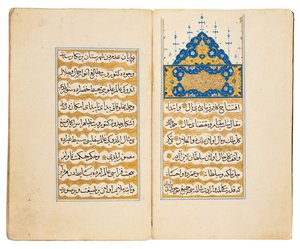
mevlana ali çelebi b. i̇vaz
name standard
Quick Facts
- Artistic Movement Or Style: Ottoman Calligraphy
- Artists Or Movements Influenced By This Artist: ['Ottoman Art']
- Artists Who Influenced This Artist: ['']
- Date Of Death: Living
- Full Name: Mevlana Ali Çelebi B. İvaz
- Nationality: Turkish
- Notable Artworks: ['Mihrimah Sultan Endowment Deed']

