 Preview
 Send
Send Share
Share
 Details

 Download
 Similars
 X-Ray
X-Ray Diaporama
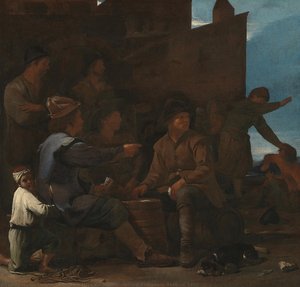
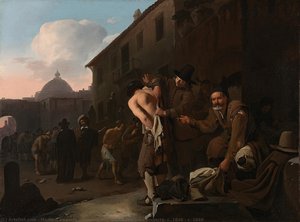
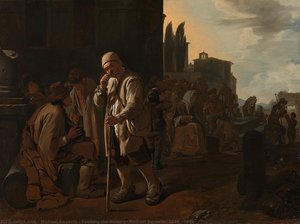
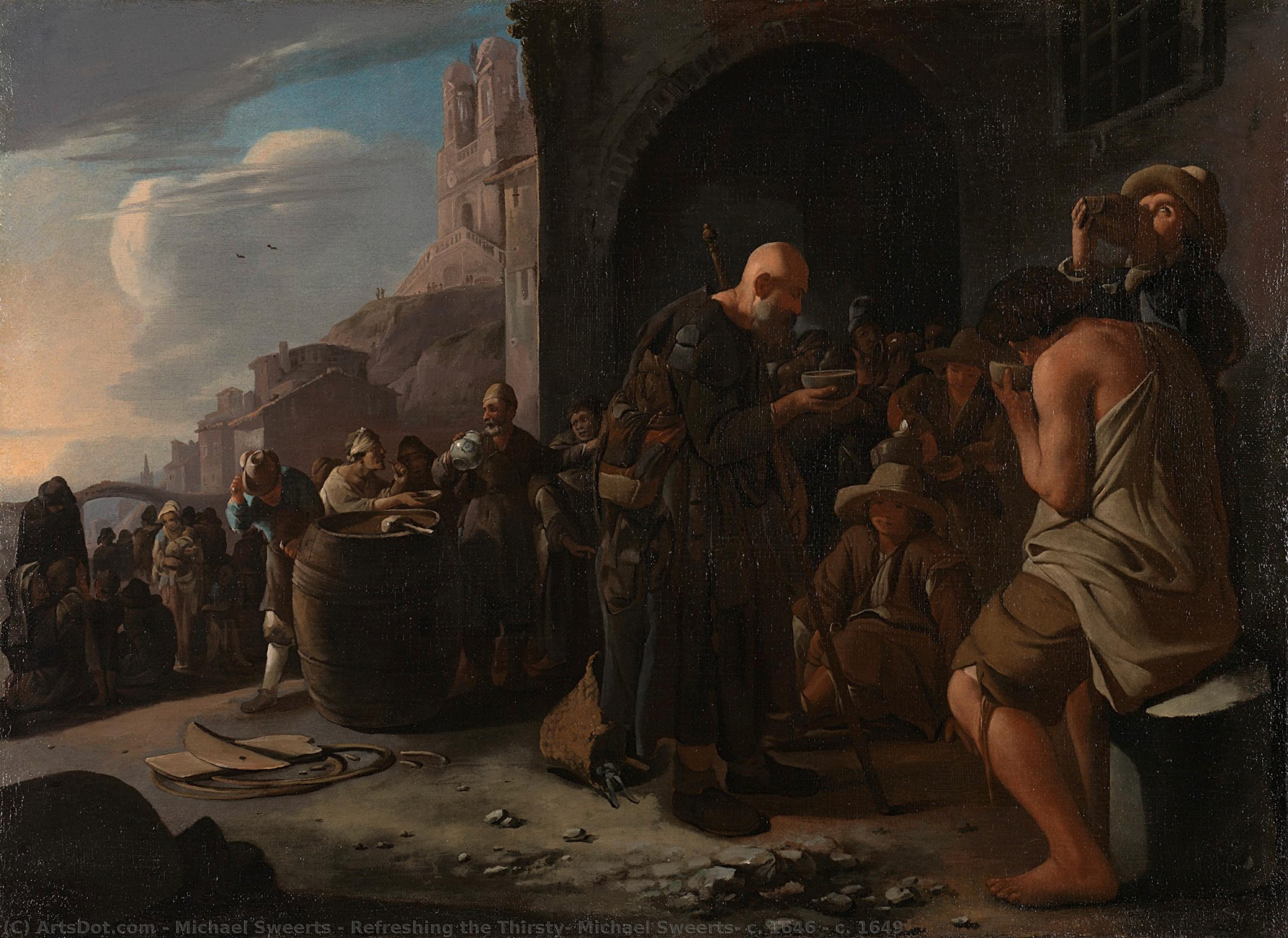
Refreshing the Thirsty, Michael Sweerts, c. 1646 - c. 1649
 1649
1649 72.0 x 98.0 cm
 Read More
Giclée / Art Print
Museum-quality giclée or canvas print with fast production and flexible finish options. ( Buy Hand Made Painting Buy Image)




































Pick from our preset sizes that match the artwork's original proportions.

You may enter your own dimensions to fit a specific frame or space. If your selected size does not match the original image's proportions, we will either crop the artwork or extend the image with a mirrored or solid-fill edge. A digital mockup will be sent for your approval before production begins.
Please note that the on-screen preview does not reflect the actual cropping or extension. Only the mockup will accurately show the final composition.
While custom sizes are available, we recommend selecting a dimension from the predefined list to preserve the original proportions.
Worldwide Delivery () in 2 weeks instead of standard 4/5 weeks. (18 August)

Free Worldwide Express Shipping

High-Quality Linen Canvas

Full Shipping Insurance

Customs Tax Refund Guarantee

True Color Matching Guarantee

60-Day Return Policy (Defects Only)

100% Money-Back Guarantee

Bulk Discount Offer
 Glass option is only available in size under 110 CM

Refreshing the Thirsty, Michael Sweerts, c. 1646 - c. 1649
Giclée / Art Print
Reproduction Size
-


Total Price
$ 63
Collectible Description
Related Artworks
Artist Biography
The Enigmatic Vision of Michael Sweerts
Michael Sweerts, a name that resonates with quiet intensity in the annals of 17th-century painting, remains an artist shrouded in mystery. Born in Brussels around 1618, his life is documented sparsely, leaving much to be inferred from the compelling body of work he left behind. Unlike many of his contemporaries who enjoyed patronage and a well-trodden path through artistic circles, Sweerts appears to have deliberately cultivated a degree of isolation, choosing instead to forge an independent style deeply rooted in observation and imbued with a unique spiritual sensibility. He wasn't part of the established guilds or academies; rather, he seems to have operated on the periphery, attracting a small but devoted following who appreciated his unconventional approach. This independence allowed him to pursue his artistic vision without compromise, resulting in paintings that are both strikingly original and profoundly moving.A Life Less Ordinary: Travels and Artistic Formation
The details of Sweerts’ early training remain elusive. It is believed he initially studied under Hendrick van Balen I, a prominent painter known for his mythological and allegorical scenes. However, the influence of van Balen quickly faded as Sweerts embarked on an extraordinary series of travels that profoundly shaped his artistic development. He journeyed extensively throughout Europe – Rome being a pivotal destination where he spent considerable time between 1640 and 1650. This period was crucial in forming his distinctive style, absorbing the classical traditions of Italian Renaissance masters like Raphael and Caravaggio, but filtering them through his own intensely personal lens. He also travelled to Flanders, France, and possibly even further afield. These journeys weren’t merely about acquiring artistic skills; they were a quest for authentic experience, a desire to understand different cultures and ways of life which would later be reflected in the diverse subjects he chose to paint. His travels are documented through dated sketches and paintings depicting scenes from various locations, offering glimpses into his peripatetic existence.Themes of Humanity: Genre Scenes and Spiritual Inquiry
Sweerts’ oeuvre is remarkably focused, primarily consisting of genre scenes – depictions of everyday life, often featuring peasants engaged in simple activities like eating, drinking, or playing music. However, to categorize these paintings as mere “genre” would be a gross simplification. Sweerts elevates the mundane to the level of profound spiritual inquiry. His figures are not idealized; they are rendered with unflinching realism, their faces etched with character and dignity. He eschewed the opulent settings and dramatic narratives favored by many of his contemporaries, instead focusing on the quiet moments of human existence. His paintings often carry a subtle moralizing tone, but it’s not preachy or didactic; rather, it's an invitation to contemplate the virtues of simplicity, humility, and compassion. He frequently depicted scenes of children – playing, learning, or simply being present – imbuing them with a sense of innocence and vulnerability that is deeply affecting. These depictions are often interpreted as allegories for spiritual growth, suggesting that true wisdom can be found in the uncorrupted hearts of the young.A Unique Technique: Precision, Light, and Emotional Resonance
Sweerts’ technical mastery is evident in his meticulous attention to detail and his subtle use of light and shadow. He employed a precise, almost scientific approach to rendering form, carefully studying anatomy and perspective. However, this precision never feels cold or mechanical; it's always tempered by a deep sensitivity to the emotional life of his subjects. His palette is typically restrained, favoring earth tones and muted colors that create a sense of intimacy and realism. He was particularly adept at capturing the textures of everyday objects – rough fabrics, worn wood, simple pottery – adding another layer of authenticity to his scenes. His use of light is masterful, often illuminating specific areas of the composition to draw attention to key figures or details, while leaving others in shadow, creating a sense of mystery and depth. He wasn’t interested in flamboyant brushwork or dramatic effects; instead, he sought to create paintings that were quiet, contemplative, and deeply resonant with emotional truth.Historical Significance: A Precursor to Modernity
Despite his relative obscurity during his lifetime, Michael Sweerts is now recognized as a significant figure in the history of art. His emphasis on realism, his focus on everyday life, and his independent spirit anticipate many of the concerns of later artists, particularly those associated with the Realist movement of the 19th century.- He challenged the conventions of academic painting
- His work paved the way for a more democratic approach to subject matter
- His quiet intensity and spiritual sensibility continue to resonate with contemporary audiences.